
Scared to Be an Attending? How to Manage the Fear of Practicing Independently
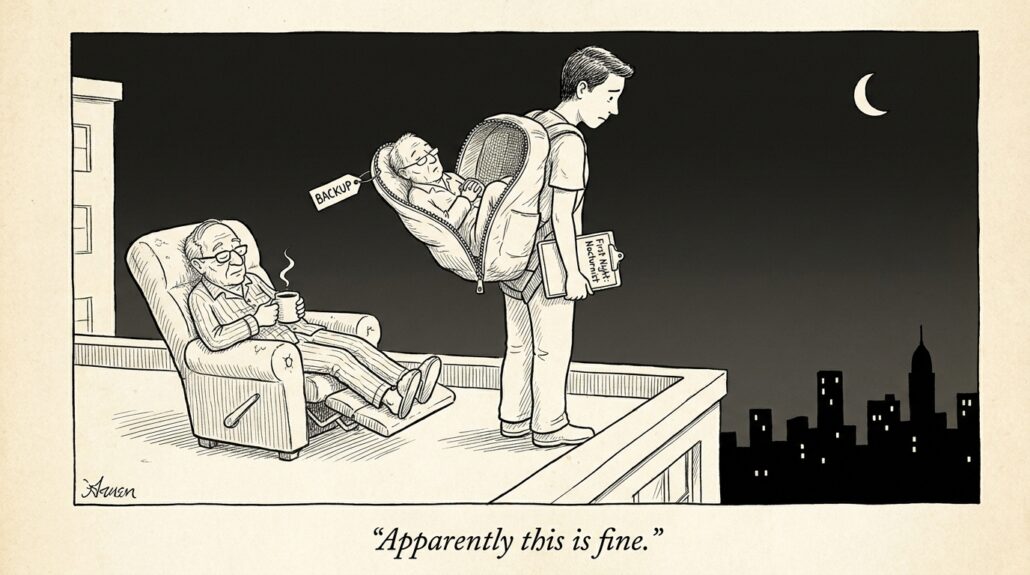
Almost every graduating resident feels terrified about becoming an attending—and almost nobody talks about it openly. The fear of practicing independently isn’t a sign you’re unprepared. It’s a sign you understand what’s at stake. Here’s how to build confidence during the transition without pretending the anxiety will disappear.
Visa Sponsorship for IMG Residents: What You Need to Know About H-1B, J-1, and Green Card Pathways
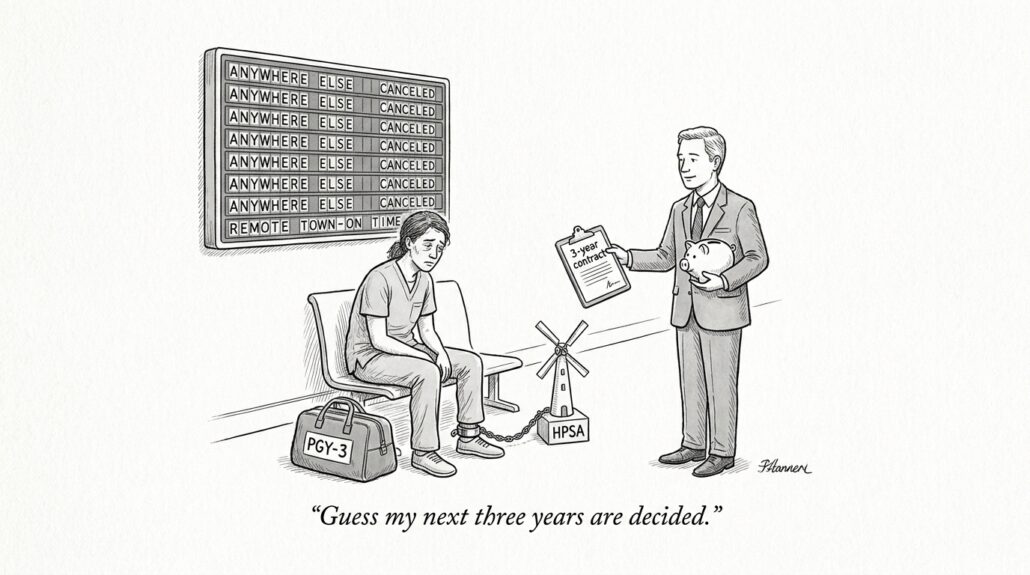
For IMG residents, visa status isn’t just paperwork—it fundamentally shapes your job search, your negotiating power, and your long-term career options. Understanding the real differences between H-1B, J-1, and green card pathways means knowing which constraints you’re actually working within and how to plan around them.
Would You Choose Your Specialty Again? What Physicians Say About Career Satisfaction and Regret
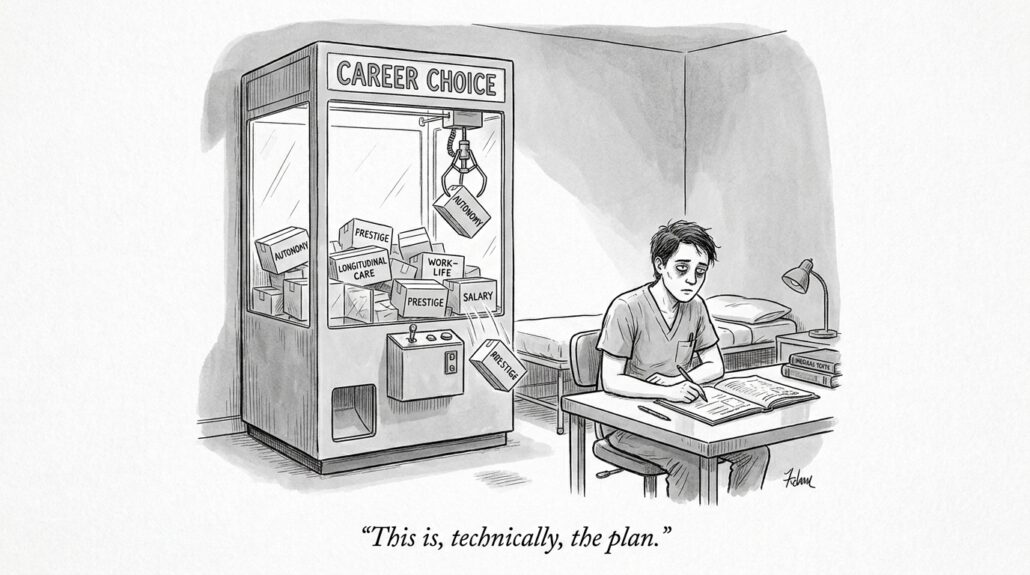
Specialty regret isn’t about picking wrong—it’s about not knowing what questions to ask before you committed. The physicians who report highest satisfaction aren’t in the highest-paying fields. They’re the ones who understood what daily practice actually looks like and chose accordingly, weighing lifestyle, autonomy, and compensation against each other honestly.
How to Prepare for Your First Independent Night Shift as a Resident
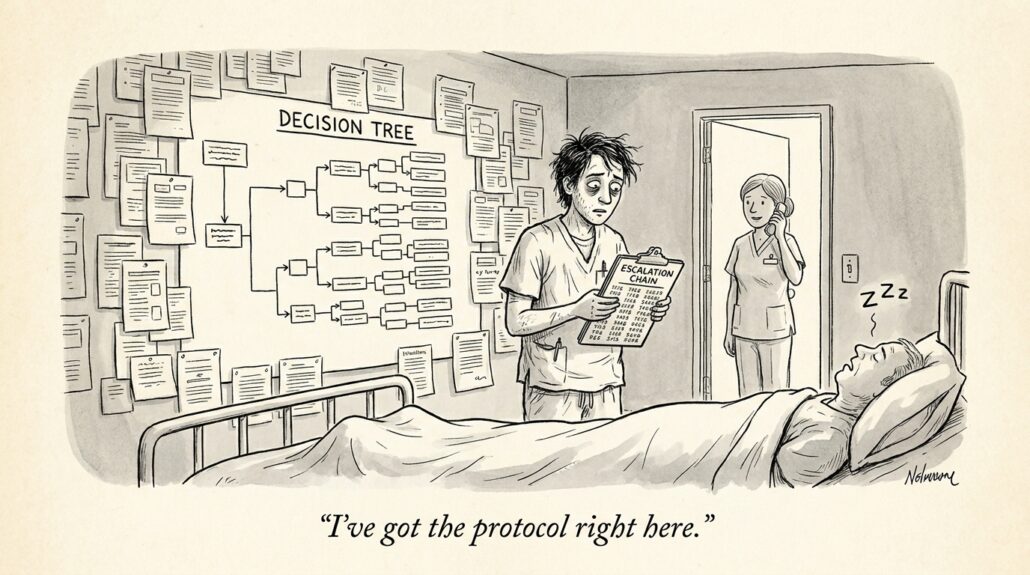
Your first independent night shift isn’t about knowing everything—it’s about knowing what you don’t know and having a system to handle it. Build your resource list before you need it, identify your escalation contacts, and accept that uncertainty is part of the transition from supervised to autonomous care.
How to Make the Most of Your Preliminary Intern Year Without Burning Out
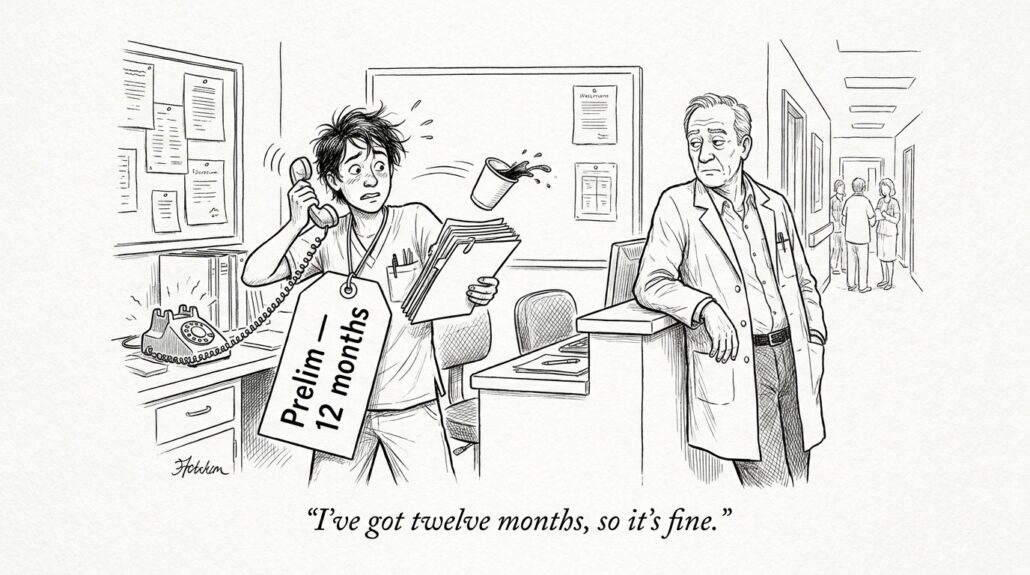
The preliminary intern year puts you in an awkward position—you’re doing real work, but everyone knows you’re leaving in twelve months. The temptation is to either check out mentally or overcompensate by trying to prove yourself. Neither approach serves you. Here’s how to extract genuine value from a transitional year without burning out before your actual training begins.
How to Set Boundaries When Everyone Wants Free Medical Advice

When you’re working 70-hour weeks and finally escape to a social event, the last thing you need is to become the unpaid medical consultant for everyone at the party. Learning to deflect free medical advice requests isn’t about being rude—it’s about protecting the mental space you need to survive training without burning out.
When the Doctor Becomes the Patient: Managing Chronic Illness During Residency
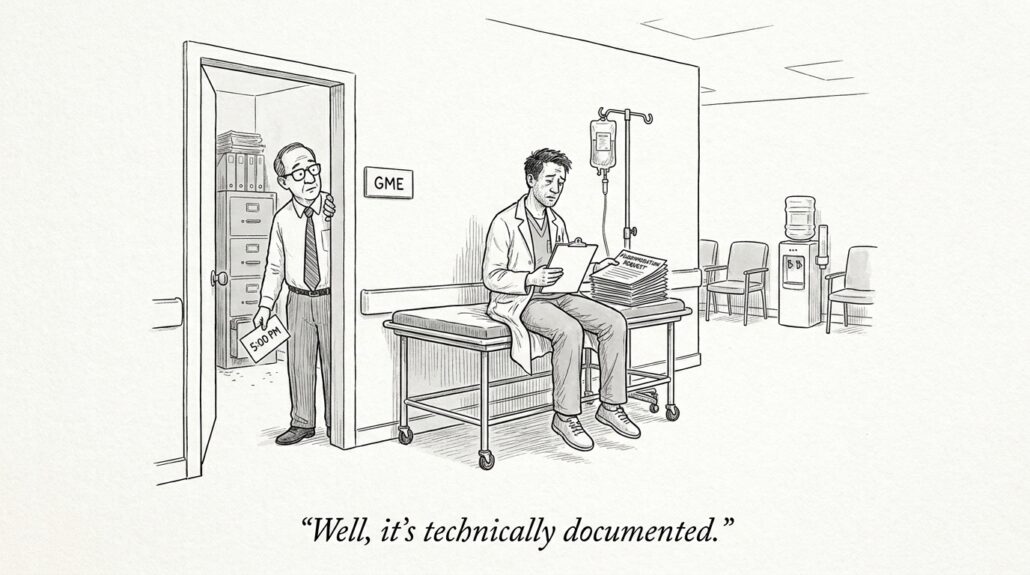
Getting diagnosed with a chronic illness during residency forces you to navigate a system that wasn’t built for sick doctors. Between managing your own care on an 80-hour schedule, figuring out what accommodations you’re entitled to, and reconciling your identity as a physician who’s now also a patient, the path forward requires more than just medical knowledge—it requires strategy.
How to Budget on a Single Trainee Salary in a VHCOL City
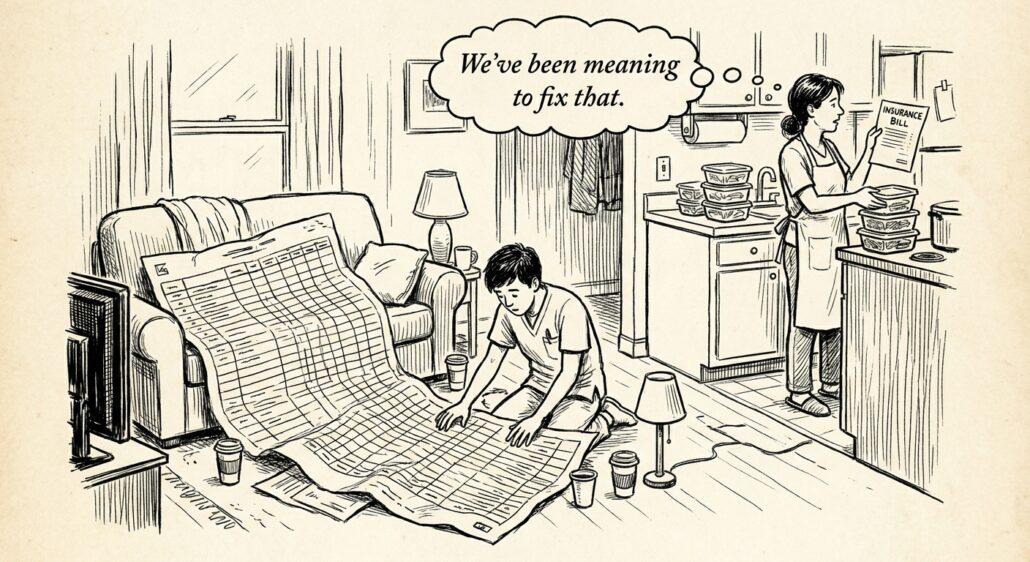
Trainee salaries barely cover one person in a VHCOL city—and when your partner stops working, the math goes from tight to impossible. This guide covers concrete strategies for housing, health insurance, and the hard conversations you need to have when life circumstances change mid-training.
What to Do If You’re Placed on a PIP During Residency: A Step-by-Step Guide
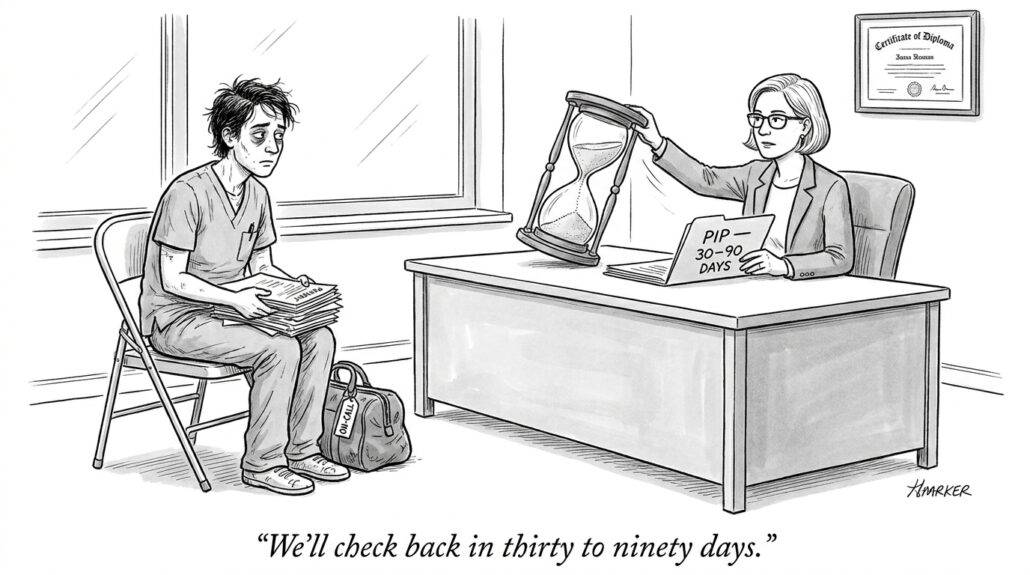
A verbal warning in residency isn’t a gentle suggestion—it’s the first domino. Most residents don’t realize how fast things escalate from ‘informal feedback’ to PIP to termination. This guide covers what to do immediately when you’re placed on a performance improvement plan, how to document everything, and the steps that actually protect your career and license.
The Credentialing Checklist: DEA, State License, and Everything You Need Before Day One
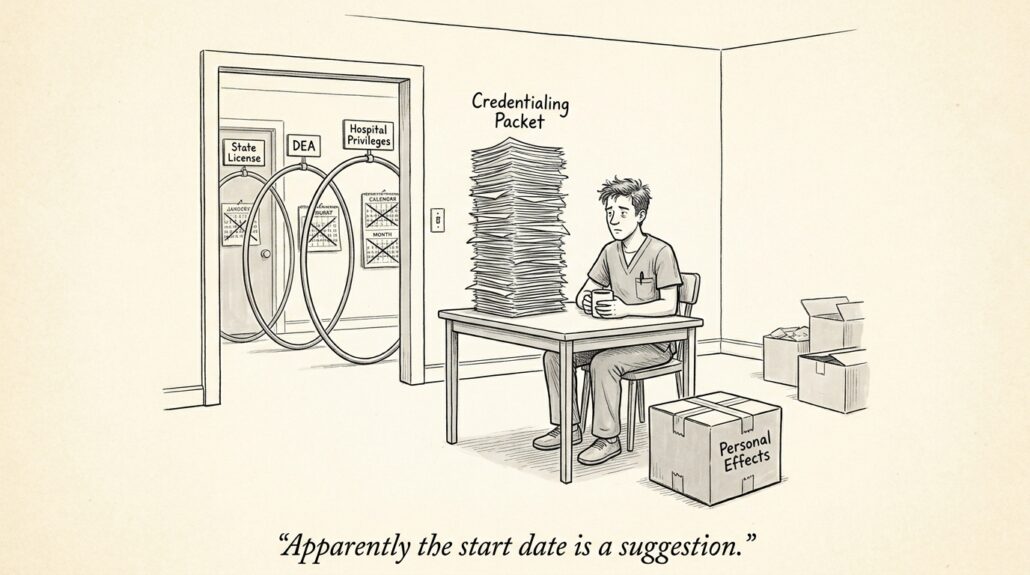
Nobody tells you that the administrative gauntlet between residency graduation and your first attending paycheck can take 4-6 months to navigate—and if you miss a step on your DEA license, state medical license, or hospital credentialing, your start date gets pushed back while your bills don’t.