
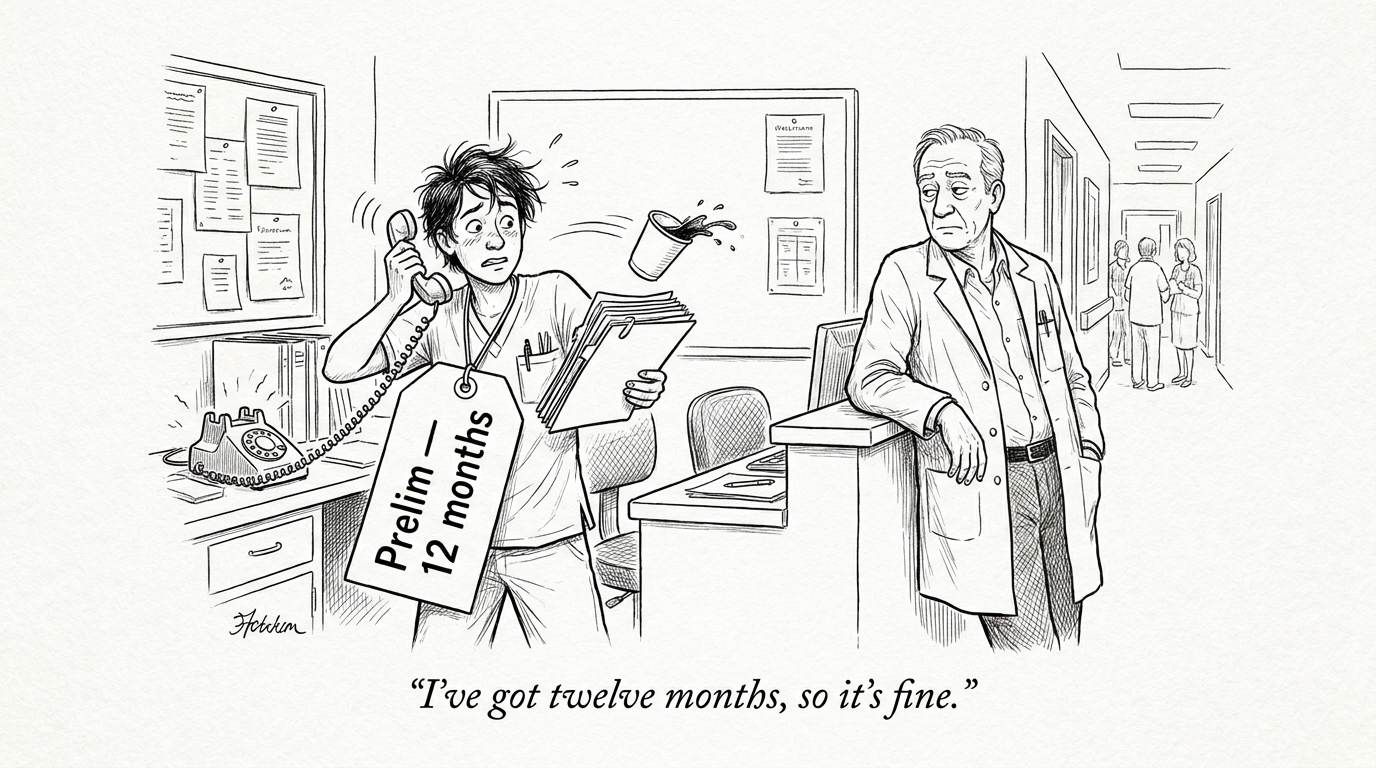
You matched into anesthesia, radiology, or dermatology—congrats. Now you have to survive a preliminary medicine or surgery year at a program where you’re essentially a temp worker with an MD. You’ll do the same 80-hour weeks as the categorical interns, handle the same 3 AM admissions, and deal with the same demanding attendings. The difference? Everyone knows you’re leaving in twelve months, which creates a strange dynamic where you’re simultaneously expected to perform at full capacity and treated like you have one foot out the door.
The question isn’t whether prelim year will be hard. It will be. The question is how to get through it without arriving at your advanced program already burned out—and ideally, how to extract some actual value from the experience.
Understand What You’re Actually Optimizing For
Here’s the uncomfortable truth about prelim year: your performance matters less than you think for your future career, but more than you think for your daily sanity. Nobody at your anesthesia program is going to care whether you were the star intern on the medicine wards. They care whether you can manage airways and handle hemodynamics.
But if you check out mentally and coast, you’ll make your own life miserable. Attendings and senior residents notice when someone isn’t pulling their weight, and they’ll make your remaining months harder. The sweet spot is performing well enough to avoid friction while not killing yourself to impress people whose opinions won’t follow you.
Practically, this means: show up on time, be reliable, don’t drop balls on patient care, and be pleasant to work with. That’s the floor. Anything above that is optional—and you should be strategic about when you go above and beyond.
Identify the Skills That Actually Transfer
Prelim year isn’t useless, even if it sometimes feels that way. You’re building foundational skills that will matter regardless of your specialty: managing sick patients overnight, interpreting labs at 2 AM when there’s no one to ask, communicating with families, working through hospital systems. These skills compound.
The key is being intentional about what you’re learning. If you’re heading into anesthesia, pay extra attention during your ICU rotations—understanding ventilator management and vasopressors will serve you well. If you’re going into radiology, focus on your medicine rotations to build the clinical context that makes imaging interpretation meaningful.
Make a mental list of three to five skills you want to develop during the year. When you’re on a rotation that offers opportunities to build those skills, lean in. When you’re on a rotation that doesn’t, do your job competently and conserve your energy.
Protect Your Time Off Like It’s Sacred
Prelim interns often make the mistake of treating days off as “recovery time” where they lie on the couch feeling exhausted. That’s sometimes necessary. But if every day off is spent recovering from the previous week, you’re in a death spiral.
Schedule at least one non-medical activity per week that you actually look forward to. This could be dinner with friends, a workout class, a hobby, whatever. Put it on your calendar and treat it like a clinic appointment. The goal isn’t to maximize productivity on your days off—it’s to maintain a sense of identity beyond “person who works at the hospital.”
Also: don’t spend your free time studying for your advanced specialty. You’ll have years to learn anesthesia or radiology. Prelim year is not the time to get ahead on reading. It’s the time to survive with your mental health intact.
Build Relationships Strategically
You won’t be at this program forever, but the relationships you build can still matter. Focus on connecting with a few people who might become genuine friends or useful professional contacts, rather than trying to network broadly.
The senior residents and attendings who treat you well during prelim year are often the ones worth staying in touch with. They might end up at your future institution, or they might be useful references down the line. Medicine is a smaller world than it seems.
One practical tip: if you’re doing a prelim year in a different city than your advanced program, use this year to explore the area. You might never live there again. Take advantage of it.
Plan Your Transition Early
Around month eight or nine, start thinking seriously about the logistics of your move. Where will you live? What’s the cost of living difference? Do you need to break a lease? Will your advanced program help with moving expenses?
The financial gap between prelim year and your advanced program can be significant, especially if you’re moving from a low cost-of-living area to a high one. Start budgeting early. The last thing you want is to arrive at your dream program already stressed about money.
Also, use the spring to request your letters of recommendation and wrap up any administrative loose ends. Programs are generally understanding about prelim interns needing to handle transition logistics, but don’t wait until the last minute.
Keep Perspective on the Temporary
The hardest part of prelim year is often psychological. You’re doing difficult work in a place you didn’t choose, knowing it’s temporary but still having to show up every day like it matters. That cognitive dissonance is exhausting.
What helps: remembering that this year is an investment, not a waste. You’re building clinical foundations, earning a salary (however modest), and getting one year closer to the career you actually want. The prelim year isn’t a detour—it’s part of the path.
Twelve months feel long in July. By March, you’re counting down weeks. Get through it without burning out, pull what you can from the year, and wait for the next chapter—the real training begins there.