
The Resident Money Playbook: How to Budget, Tackle Loans, and Supplement Income During Training
Somewhere between “I don’t know how to budget on $4,000 a month” and “my first attending paycheck went straight to a $6,000 car repair” is the entire financial arc of residency — and almost nobody teaches it to you directly. Here’s the consolidated version. Building a real budget on resident take-home pay Start with the […]
Why Mandatory Wellness Modules Are Making Resident Burnout Worse — And What Would Actually Help
A resident works a 90-hour week and gets a professionalism email about grooming standards. Another is told to try mindfulness techniques after being awake for 26 hours. A third watches nursing staff get cut the same month the hospital rolls out a new wellness initiative. None of these are outliers being shared for shock value. […]
Locum Tenens Surge Reshapes Physician Career Strategy

Nearly two-thirds of physicians now work locum tenens or plan to, signaling a fundamental shift in how clinicians approach career mobility and compensation optimization. This analysis examines why flexible employment models have reached critical mass and what strategic implications emerge for job-seeking physicians and healthcare recruiters competing for talent in 2026.
J-1 vs H-1B During Residency: What Every IMG Needs to Plan Before It’s Too Late
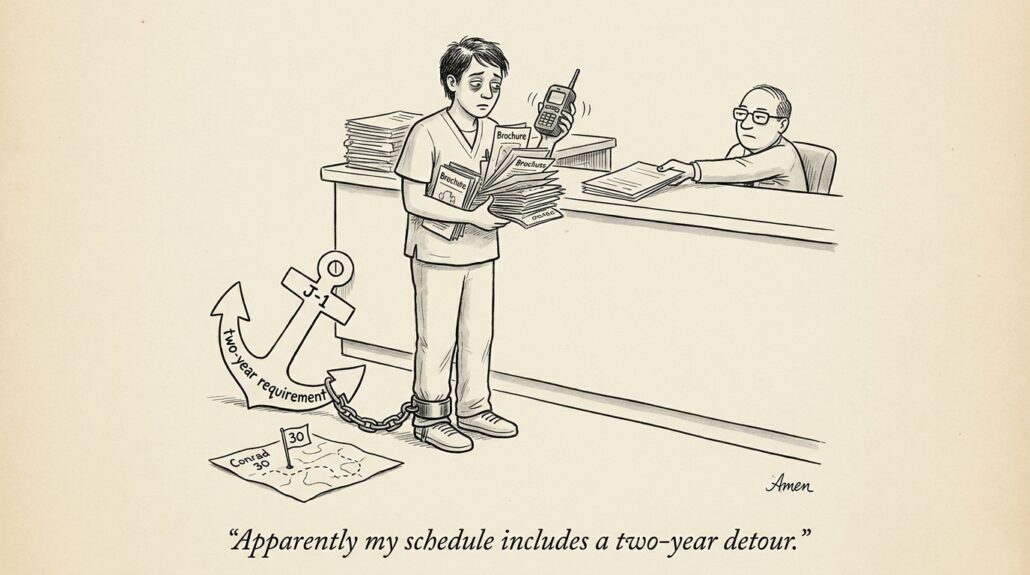
For IMGs, visa status isn’t just paperwork—it’s a career constraint that determines where you can train, which fellowships you can pursue, and which employers will even consider you. The J-1 vs H-1B decision during residency sets up a chain of consequences that most residents don’t think about until it’s too late to change course.
J-1 Visa Caps Force Physician Recruitment Timeline Overhaul
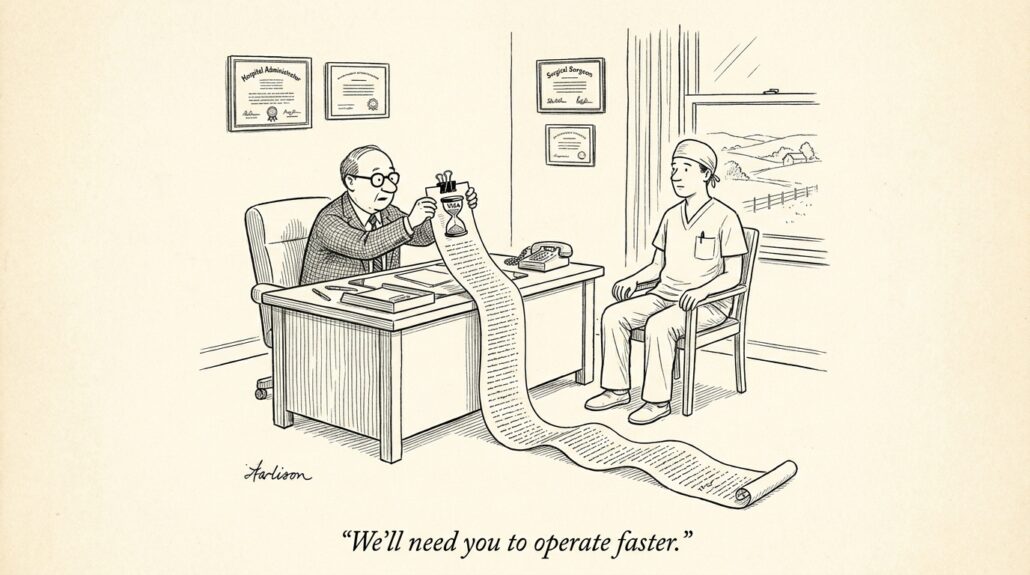
The Trump administration’s four-year cap on J-1 physician visa stays fundamentally disrupts international recruitment pipelines, particularly for health systems serving underserved areas. Organizations must now recalibrate hiring timelines, retention economics, and competitive positioning as compressed visa windows reshape workforce planning.
Picked the Wrong Specialty? How to Switch Residency Programs Without Losing Everything
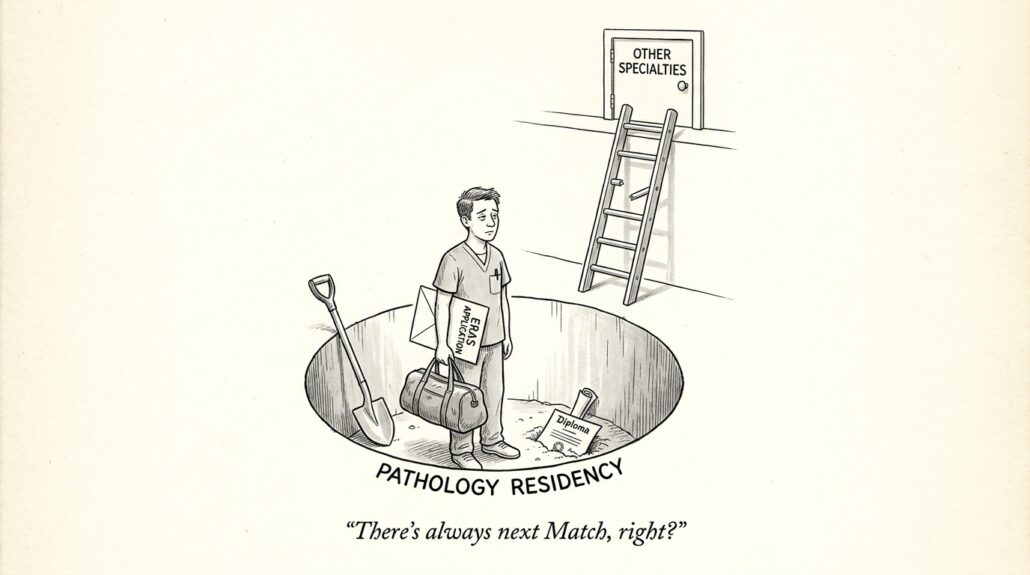
Realizing you chose the wrong specialty three months into residency feels like standing in quicksand. The question isn’t whether switching is hard—it is. The question is whether the cost of staying in a specialty that doesn’t fit exceeds the cost of starting over. Here’s how to think through the logistics, timing, and tradeoffs of changing programs without letting sunk cost thinking trap you in a 30-year career you’ll regret.
Medical Schools Multiply But Pipeline Bottlenecks Persist
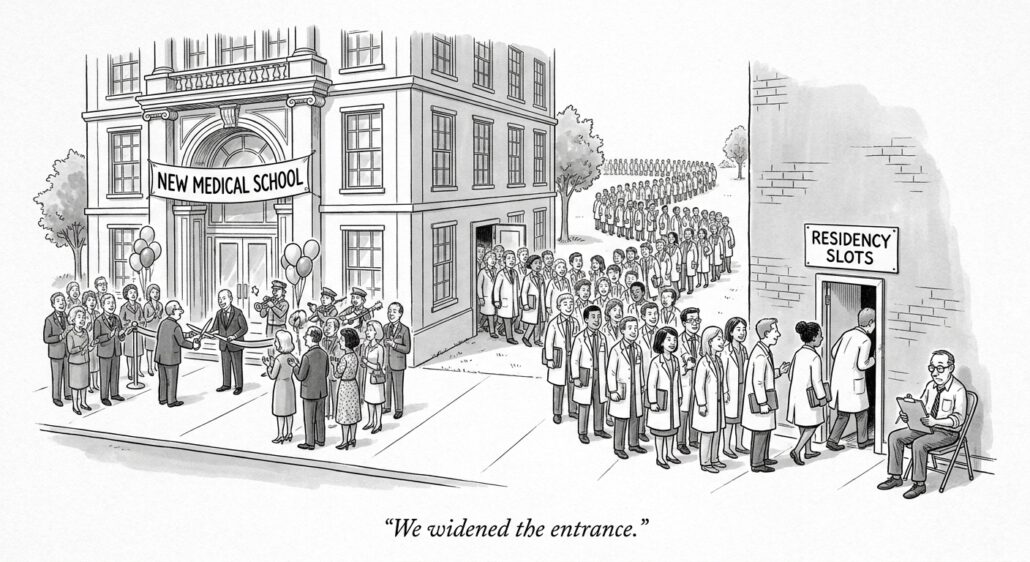
A coordinated surge of medical school expansions and nursing program launches signals unprecedented institutional response to workforce shortages, but downstream bottlenecks in residency capacity and faculty availability may limit the impact on actual physician and nurse supply for years to come.
Disability Insurance for Residents: What Mental Health History Means for Your Coverage
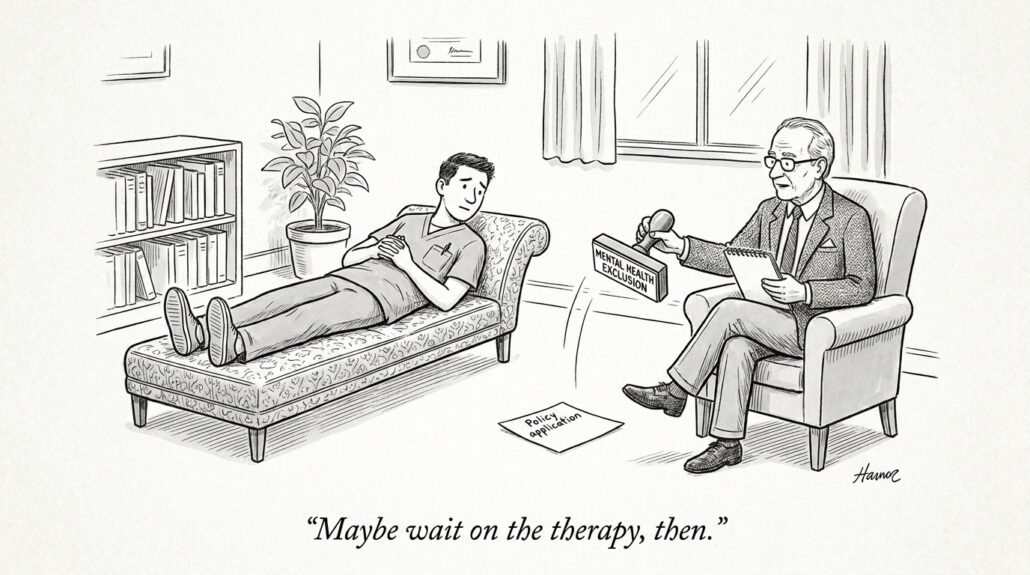
Mental health history can lead to disability insurance exclusions or higher premiums—but delaying treatment to avoid underwriting complications creates its own risks. Here’s how to understand what insurers actually look for, what exclusions mean in practice, and how to time your coverage decisions without sacrificing the care you need.
Clinical AI Safety Gaps Reshape Physician Liability Landscape

New research reveals physicians are susceptible to AI-induced diagnostic errors even when contradictory evidence exists, while liability frameworks for AI-assisted care remain dangerously undefined. These safety and governance gaps are emerging as critical factors in physician employment decisions and contract negotiations.
How to Survive a Toxic Attending: Coping Strategies When Reporting Isn’t an Option

When formal reporting feels impossible, surviving a toxic attending becomes about protecting yourself without derailing your career. This means mastering emotional regulation in real-time, building strategic alliances with peers, and documenting carefully—not because you’ll necessarily use it, but because having options changes how you carry the weight.