
AI Scribe Gaps Create New Physician Liability Exposure
New evidence shows AI scribes systematically omit patient-reported experiences from medical records, creating malpractice exposure that may erode the productivity gains these tools promise. For physicians in RVU-based compensation models, the emerging liability risk represents an unpriced variable that could affect net compensation through increased review burdens or higher malpractice premiums.
Accelerated MD Programs Signal Primary Care Hiring Surge
Healthcare institutions are accelerating physician training through three-year MD programs and complementary pathway models, signaling sustained primary care hiring demand. These initiatives compress entry timelines and create differentiated candidates, while geographic distribution challenges persist despite expanded pipelines.
GME Investment Becomes Core Physician Recruiting Strategy
Health systems are increasingly treating graduate medical education not as academic infrastructure but as a core recruiting strategy with measurable pipeline economics. With retention data showing 68% of family medicine residents stay in-state after training, organizations investing in GME capacity gain structural advantages over competitors limited to traditional recruitment in a market where physician supply is fixed.
Health Systems Build Pipelines, Not Just Recruit
Health systems are abandoning recruitment-only strategies and investing directly in physician training infrastructure. With projected shortages exceeding 141,000 physicians by 2038, new medical schools, expanded residency programs, and federal rural training grants signal a structural shift toward building supply rather than competing for it.
Case Logs, Attestations, and Deadlines: The Board Certification Paperwork Residents Are Never Taught to Manage
An OB/GYN resident spends a weekend trying to reconstruct an entire certification case list, unable to get Epic to produce it, facing possible job consequences over a Monday deadline. Nobody taught them how to pull this data, nobody taught them to log it as they went, and by the time it became urgent, it had […]
186 Days to Fill: Physician Hiring Costs Reshape Leverage
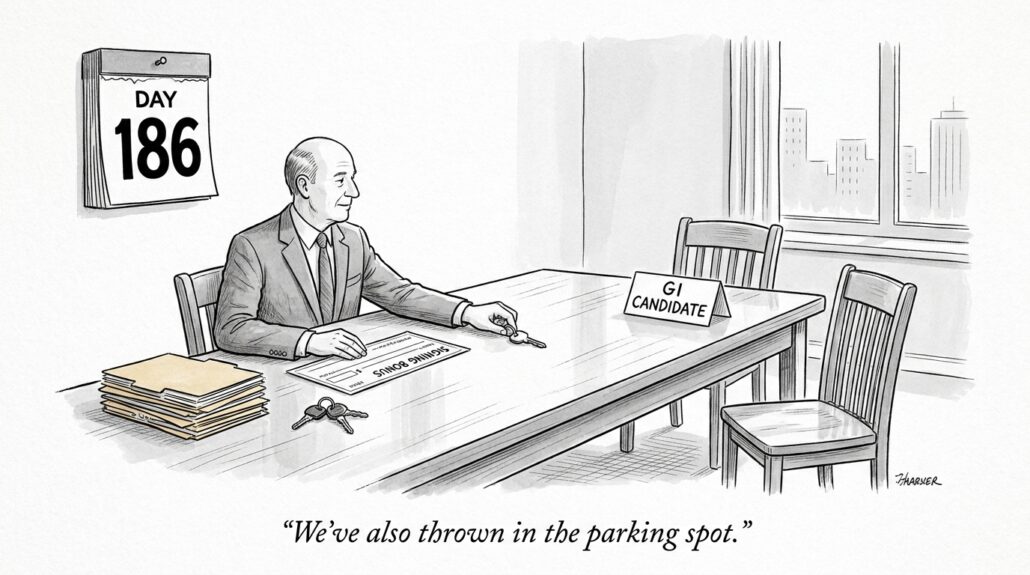
Extended physician hiring timelines—186 days and $46,000 for GI physicians—combined with specialty-specific compensation surges in interventional radiology create quantifiable negotiating leverage for job-seeking physicians. Understanding vacancy cost economics and contract provision flexibility separates candidates who accept posted terms from those who capture market-rate value.
When the Fellowship You Want Doesn’t Exist: How to Build a Subspecialty Niche in Psychiatry and Beyond
A psychiatry resident asks whether fellowship tracks focused on maternal mental health or bipolar II disorder exist — or should. It’s a small question with a large implication: what do you do when your clinical interest is narrower, or newer, than the accredited training pipeline has caught up to? This isn’t rare, and it isn’t […]
APP Permanence Redefines Physician Recruiting Economics
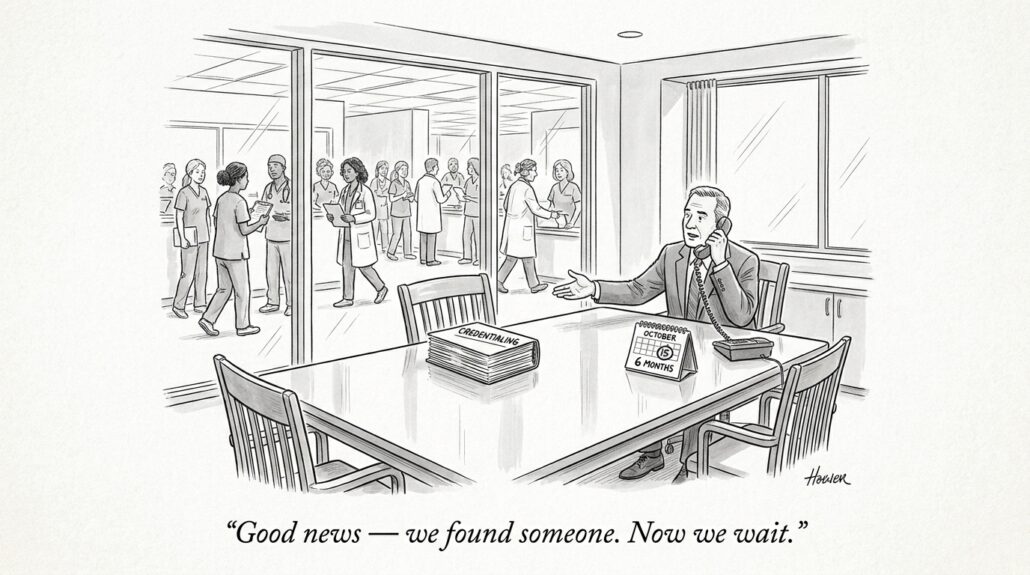
Hospitals’ permanent commitment to APP staffing is restructuring physician recruitment economics, extending time-to-fill beyond 180 days in high-demand specialties while creating compounding acquisition costs from credentialing delays and Medicare enrollment gaps. Organizations competing for physician talent must now measure total acquisition cost—not just vacancy duration—and deploy non-compensation retention tools to remain competitive.
Residency Is Hard on Relationships: What Residents and Their Partners Both Need to Understand
A resident describes relationship stagnation — limited couple time, a partner planning month-long trips during the resident’s already scarce free time, unresolved trust issues left over from med school that never got addressed. A non-physician partner of a first-year resident asks, genuinely, how to tell overwhelm from disinterest when a text goes unanswered for six […]
States Pour $200M Into Rural Physician Pipelines
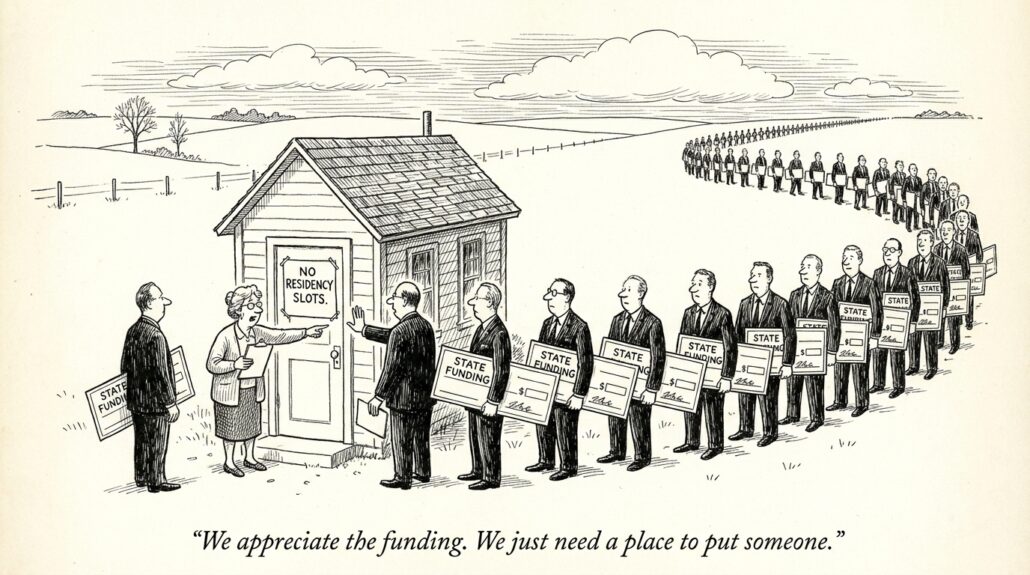
State investments exceeding $200 million are reshaping rural physician workforce strategy, shifting from recruitment bonuses to embedded training infrastructure. New research shows rural residency training increases subsequent rural practice by 42%, explaining why states from Alabama to Arizona are funding medical education pipelines rather than competing for physicians trained elsewhere.