
This analysis synthesizes 13 sources published the week ending Jul 15, 2026. Editorial analysis by the PhysEmp Editorial Team.
The American primary care workforce is hemorrhaging physicians faster than the pipeline can replace them, creating a structural deficit that threatens healthcare access for over 101 million Americans already living in federally designated shortage areas. This crisis, unfolding across the Healthcare Workforce & Labor Market, represents more than a temporary staffing challenge — it signals a breakdown in how the nation produces, deploys, and retains its most essential clinical workforce.
Multiple data points this week point in the same direction: family medicine match rates are slipping, retirement waves are arriving at once, and mid-career physicians are leaving the workforce at rates most models didn’t expect. The conventional story pins the trend on burnout and prescribes wellness programs. That’s part of it, but the deeper driver is the economics of primary care — pay that lags specialists, administrative work that eats a quarter to a third of clinicians’ time, and shrinking practice autonomy. For many physicians, retiring or exiting early is a rational financial and quality-of-life choice.
Retirement Waves Collide With Pipeline Constraints
The demographic math is simple and unforgiving: large cohorts of family physicians who started practice in the 1980s and 1990s are retiring at roughly the same time. That predictable wave was never planned for at scale. In Idaho, shortages persist despite recruitment efforts, and in places like Beech Island, South Carolina, families have suddenly found themselves unable to refill essential medications after their primary care doctor left — a scene replayed across small towns and suburbs.
What much of the coverage misses is the economic logic behind departures. Physicians aren’t only tired; they’re choosing not to stay in work environments where documentation, revenue constraints, and loss of control make continued practice unattractive. When a 58-year-old family physician can retire with reasonable savings rather than endure another decade of declining reimbursement and rising paperwork, the decision is clear.
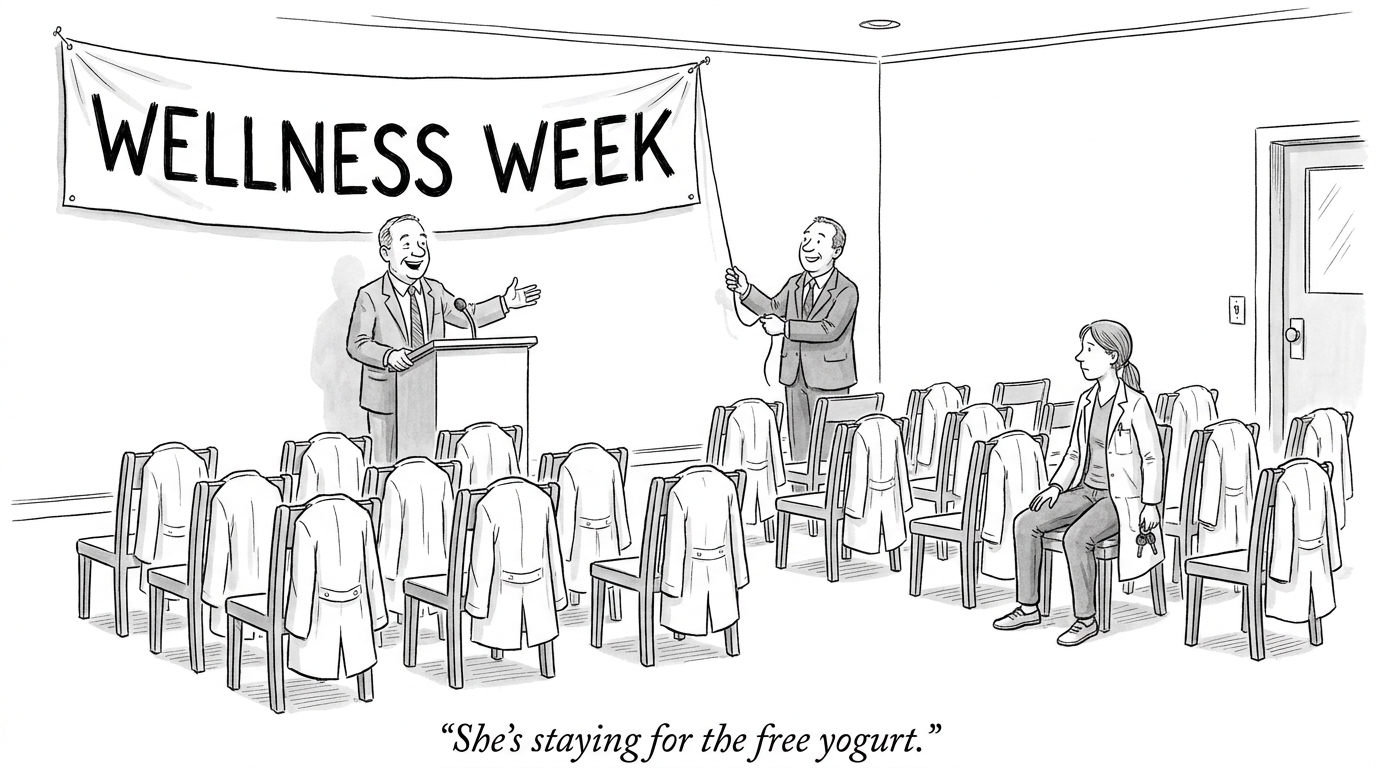
The primary care exodus is not a morale problem you can fix with wellness programs alone — it is a market failure where pay, paperwork, and autonomy have drifted away from physician expectations.
Medical School Expansion Cannot Solve Distribution Failures
Expanding medical school enrollment ignores the bottlenecks downstream. As Rhode Island’s analysis notes, more medical graduates mean little without more residency slots, and more residents mean little without practice settings that keep them. The U.S. has increased medical school capacity over the past two decades, yet primary care shortages have deepened because the economics after training remain broken.
The American Academy of Family Physicians’ Triple-Double campaign acknowledges that incremental fixes won’t cut it. Its call to double family physicians, double primary care funding, and double the share of dollars flowing to primary care reflects the scale of change advocates think is necessary — whether or not that policy package is politically feasible.
Hospital executives and recruiters should stop assuming steady supply. Systems that keep hiring strategies and compensation models tied to old assumptions will be blown off the market as competition for a smaller pool intensifies. The bargaining power has moved toward physicians, especially those willing to practice in underserved areas.
Geographic Maldistribution Compounds Aggregate Shortage
National averages hide stark local differences. Rural and semi-rural areas face twin problems: few nearby training programs to feed a local pipeline, lifestyle and service limitations that discourage some candidates, and practice economics that often trail urban pay. Yet those communities can offer things many physicians now prize — more autonomy, less administrative interference, and deeper patient relationships.
The strategic opening for organizations in shortage regions is to sell a different package. Competing on salary alone against richer urban systems is often futile. Competing on practice model, administrative support, and a livable pace can win. Physicians leaving high-burnout city jobs are looking for alternatives; organizations that actually change how care is delivered will recruit better than those that only post higher pay.
Mid-Career Attrition Emerges as Critical Variable
Mid-career departures are accelerating and they matter more than most planners realized. Where workforce models assumed 30–35 year careers, we’re seeing many clinicians stop after 15–20 years. That effectively halves expected workforce contribution and blows up projections that didn’t account for this trend.
Those leaving in mid-career are often the most valuable: experienced enough to run complex panels efficiently, energetic enough to keep demanding schedules, and central to training the next generation. Losing them erases current capacity and mentorship that takes decades to rebuild. When a surgeon suggests “radical fixes” in coverage this week, the subtext is that traditional tools haven’t yet addressed why experienced physicians are walking away.
For physicians weighing their next move, the market creates both risk and opportunity. Primary care credentials are scarcer and more valuable than before. Choosing an employer that sustains clinical practice and reduces needless burden has never mattered more.
Strategic Implications for Workforce Planning
The mix of accelerating retirements, constrained training pipelines, and mid-career exits will reshape care delivery for years. Organizations that see this as a structural shift rather than a cycle will behave differently: they’ll model for continued supply contraction, invest in retention long before clinicians start searching, and build recruiting strategies that address why physicians actually leave.
Reactive recruiting — posting ads and hoping for applicants — will fail. Systems that act now to cut administrative waste, restore clinician control over care, and redesign primary care teams will out-recruit peers. For physicians, this moment offers leverage: use the market to secure sustainable practices, not temporary pay bumps.
Expect emptier clinic schedules, more locum tenens signs, and communities where the waiting room outlasts the doctor. There’s no tidy fix on the horizon. For now, picture an exam room with a framed diploma on the wall and a note on the door: “Apply within.”
Sources
Why Are Family Doctors Leaving the Workforce? Retirement, Burnout Creating a U.S. Primary Care Brain Drain – HealthDay
Why Are Family Doctors Leaving the Workforce? Retirement, Burnout Creating a U.S. Primary Care Brain Drain – U.S. News & World Report
Why Are So Many Family Doctors Calling It Quits? Retirement, Burnout Causing Shortage – HealthDay
U.S. Doctor Shortage Worse Than You Think — This Surgeon Has a Radical Fix – Inc.
No doctor, no refill: Beech Island family caught in primary care gap – WRDW News 12
Family Medicine Match Rates Signal a Workforce Problem – KevinMD
Idaho doctor shortage persists – KREM
More Than 101 Million Americans Live in Federally Designated Primary Care Shortage Areas – Medscape
Primary Care ’26: Triple-Double Campaign – American Academy of Family Physicians
The Triple Double: Advocates Unveil a New Playbook to Save Primary Care in America – Medical Economics
Rubber meets the road when it comes to recruiting more doctors to Idaho – Coeur d’Alene Press
Why expanding medical schools is not enough – The Providence Journal
Why more doctors are leaving medicine early – MSN