
AI Comes to African Clinics: Horizon 1000’s Promise
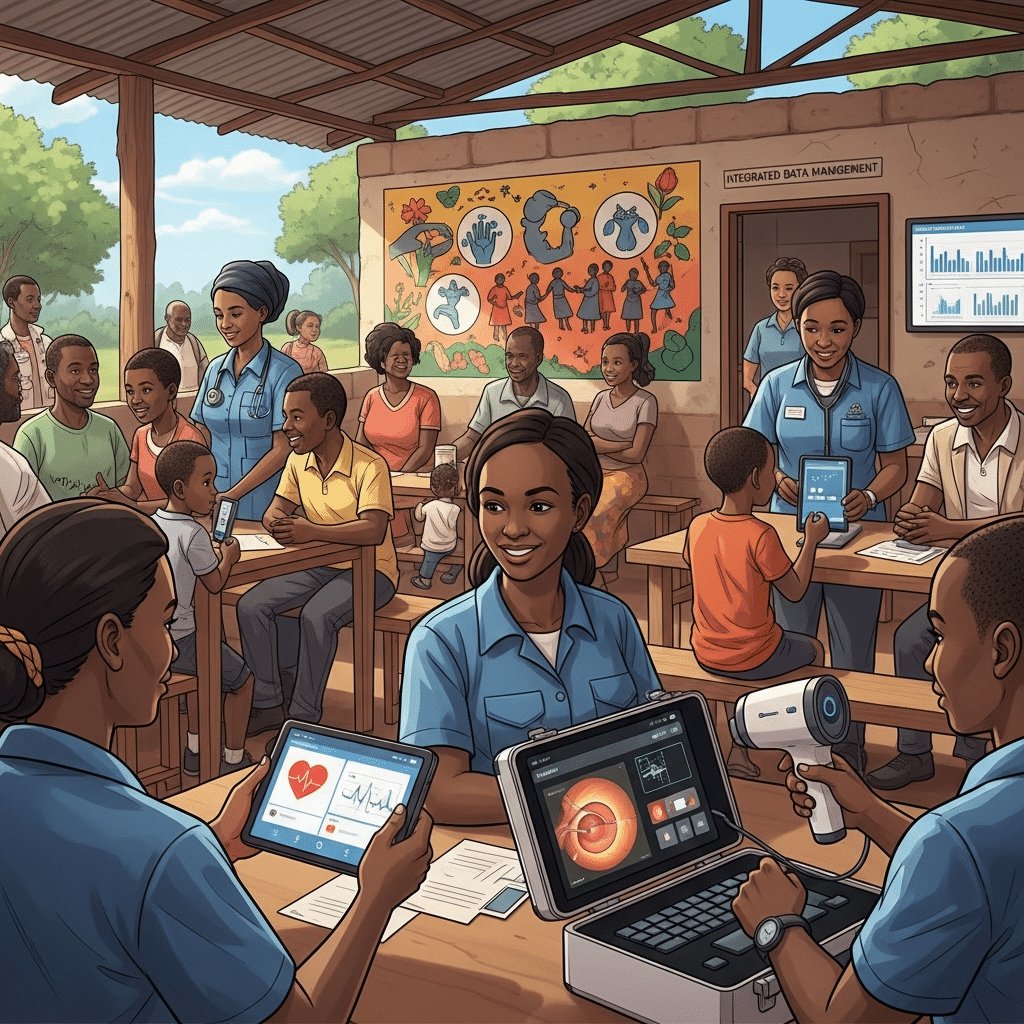
The Gates Foundation and OpenAI’s $50 million Horizon 1000 initiative aims to deploy AI diagnostic tools to 1,000 African health clinics, starting in Rwanda. This landmark partnership tests whether advanced AI can genuinely improve healthcare access in resource-limited settings—and what it reveals about AI’s role in global health equity, workforce transformation, and the practical challenges of implementing cutting-edge technology where infrastructure is scarce.
Healthcare AI’s Scaling Problem: Data and Disparities

Healthcare’s AI ambitions are colliding with practical realities. With 62% of leaders citing fragmented data as their primary barrier, regional adoption disparities widening, and organizations retreating to administrative applications, the path to AI maturity is proving more complex than anticipated. This analysis explores the infrastructure deficits, equity concerns, and strategic pivots shaping healthcare AI implementation.
Healthcare AI Reaches Its Tipping Point in 2026

After years of cautious skepticism, physicians and healthcare leaders are reaching consensus: AI’s benefits in clinical settings now outweigh its risks. This shift from resistance to enthusiasm among frontline clinicians marks a watershed moment for healthcare technology, driven by tangible improvements in diagnostic accuracy, reduced administrative burden, and the urgent need to address systemic challenges like physician shortages and burnout.
Big Pharma Meets Big Tech in Oncology AI

The Bristol Myers Squibb-Microsoft collaboration to develop AI-powered lung cancer detection tools signals a fundamental shift in pharmaceutical innovation strategy. This analysis explores how pharma-tech partnerships are accelerating AI applications in oncology, the technical and clinical validation challenges ahead, and the profound implications for healthcare workforce development as diagnostic AI becomes embedded in clinical practice.
AI Giants Battle for Healthcare’s Future

OpenAI and Anthropic have launched competing healthcare AI products—ChatGPT Health and Claude for Healthcare—marking a strategic battle for dominance in medical AI. These platforms promise to make medical records more accessible through conversational interfaces and support clinical workflows, but they also raise critical questions about safety, compliance, and the evolving role of AI in patient care.
Healthcare Leaders Unite: AI Adoption Is Non-Negotiable

Healthcare’s most prominent voices are converging on a striking consensus: AI adoption is essential for system survival. From former AMA leadership to public health experts, thought leaders argue that artificial intelligence represents necessary infrastructure for addressing physician burnout, workforce shortages, and diagnostic challenges—provided implementation prioritizes oversight, equity, and the preservation of human judgment in clinical care.
AI Medical Imaging Matures Beyond Hype to Value
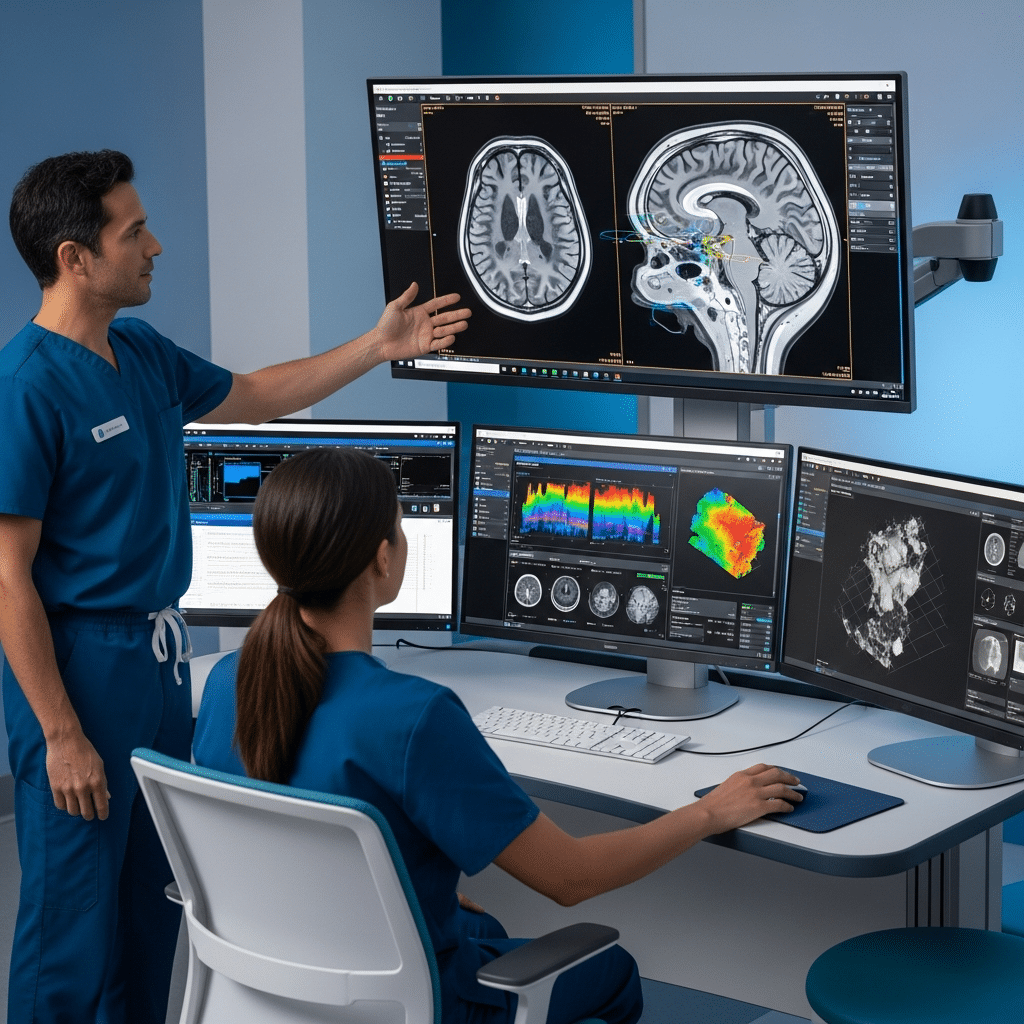
The AI medical imaging market is transitioning from experimental deployments to an $8.5+ billion industry by 2030. With health systems directly investing in AI companies and radiologists scrutinizing software update value, the sector has moved beyond adoption hype into rigorous evaluation of clinical ROI and operational impact.
FDA’s AI Regulation Shift: Innovation Versus Safety

The FDA’s 2026 AI guidance introduces flexible oversight for medical AI devices, sparking debate about innovation versus patient safety. This analysis examines the regulatory changes, explores concerns about reduced oversight and performance validation, and discusses implications for healthcare organizations adopting AI tools in clinical practice.
JPM26 Signals AI’s Shift From Pilot to Strategy

The 2026 J.P. Morgan Healthcare Conference revealed a decisive shift in how the industry approaches artificial intelligence. No longer confined to pilot projects, AI has become a core strategic priority across healthcare organizations, with measurable outcomes driving rapid adoption in care management, clinical operations, and business strategy. This analysis explores key announcements and what they signal for healthcare’s AI-enabled future.
AI Transforms Oncology: From Survival Mapping to Monitoring
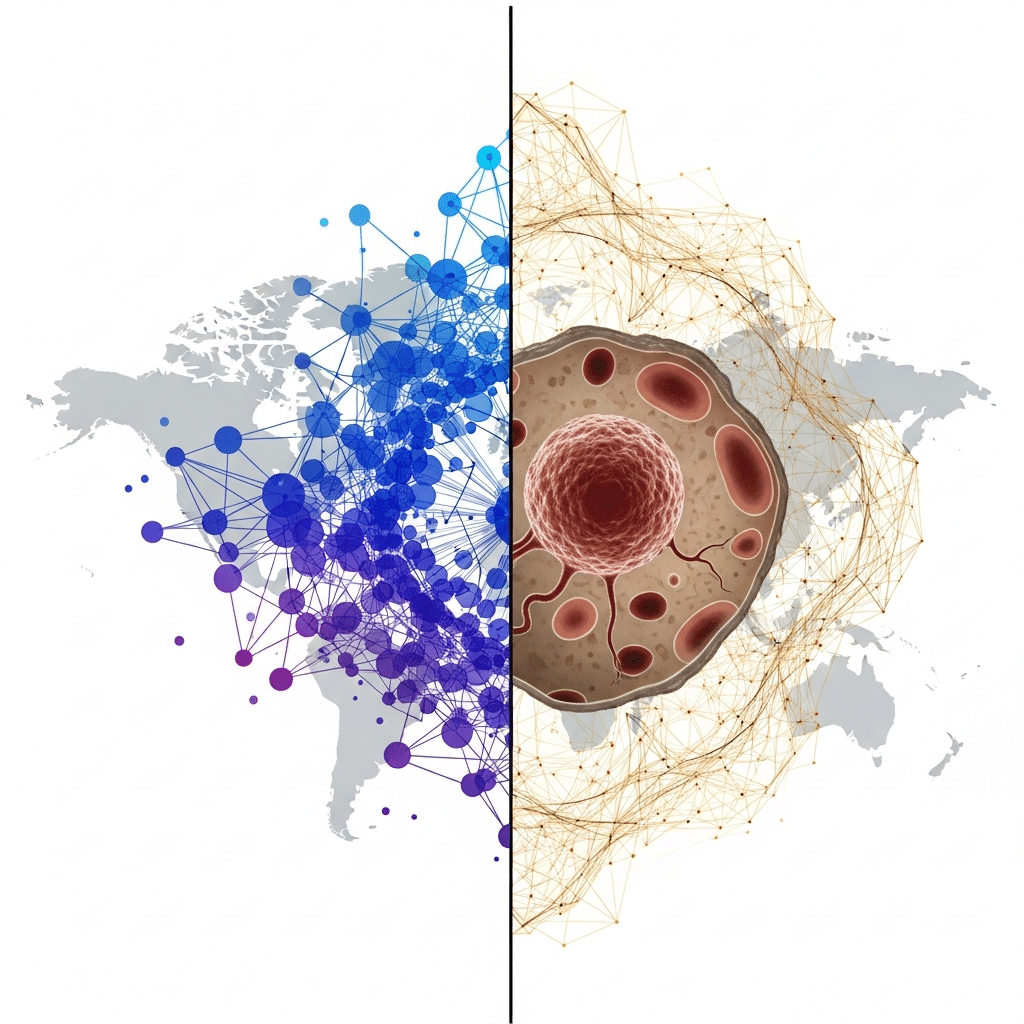
Artificial intelligence is transforming oncology through dual capabilities: mapping population-level cancer survival patterns to reveal systemic inequities, and enabling personalized monitoring for rare cancer patients post-treatment. These parallel advances demonstrate how AI processes complex oncological data at scales impossible for traditional methods, creating implications for healthcare delivery, workforce development, and clinical practice.