
States Tighten AI Oversight in Healthcare

State pilots are bringing AI into live clinical workflows while federal agencies build dedicated digital health capacity. This post examines how state experimentation and federal institutionalization are reshaping governance, operational requirements, and recruiting priorities for health systems adopting AI.
Nurse Protests and Systemic Strain
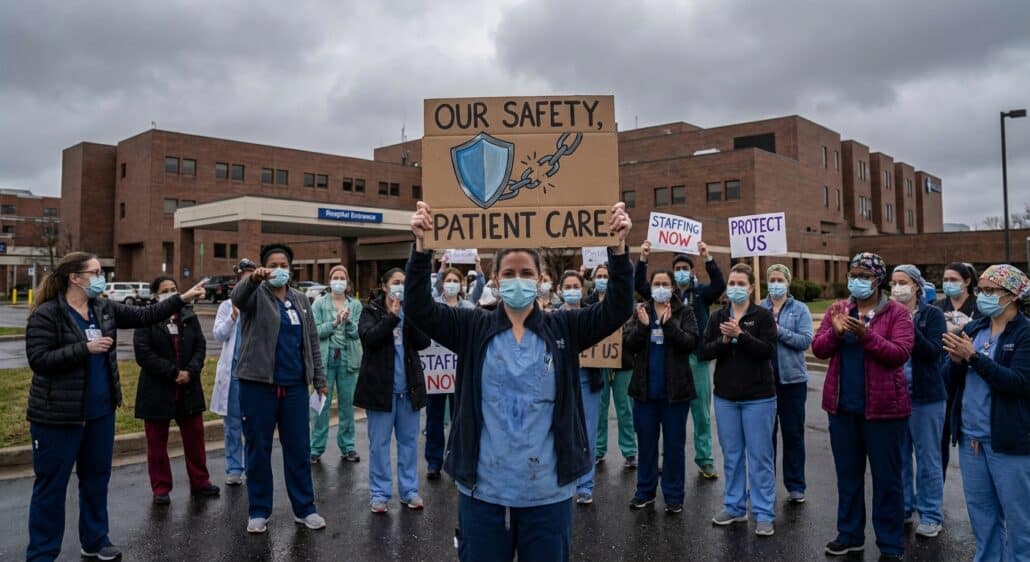
A growing wave of nurse protests is signaling deeper staffing and governance failures in hospitals. Health leaders must pair predictive workforce analytics with enforceable governance, transparent remediation, and clinician participation to restore trust, reduce turnover, and protect patient safety.
Reframing Physician Burnout: Leadership, Flexibility, Retention

Organizations can reduce physician burnout and improve retention by combining relational leadership, schedule flexibility (including locum tenens), operational redesign to cut administrative load, and cultural investments that rebuild peer support. Recruitment should highlight autonomy and predictability as core benefits.
Bridging Rural Physician Shortages

An analytical synthesis of recent efforts to address rural physician shortages: funded training pipelines, preference-matching hiring tech, and vendor coalitions offer complementary benefits, but funding instability threatens sustainable impact. Recruiters should pair data-driven sourcing with community investment and advocate for multi-year financing tied to retention outcomes.
Nursing Labor: A Systemic Stress Test

A surge in nurse labor actions highlights persistent gaps in staffing, safety, and compensation across U.S. hospitals. This analysis explains how mobilization, regulatory enforcement, and bargaining dynamics are reshaping workforce strategy and what leaders must do to achieve durable stability.
Virtual Nursing: Band‑Aid or Breakthrough?
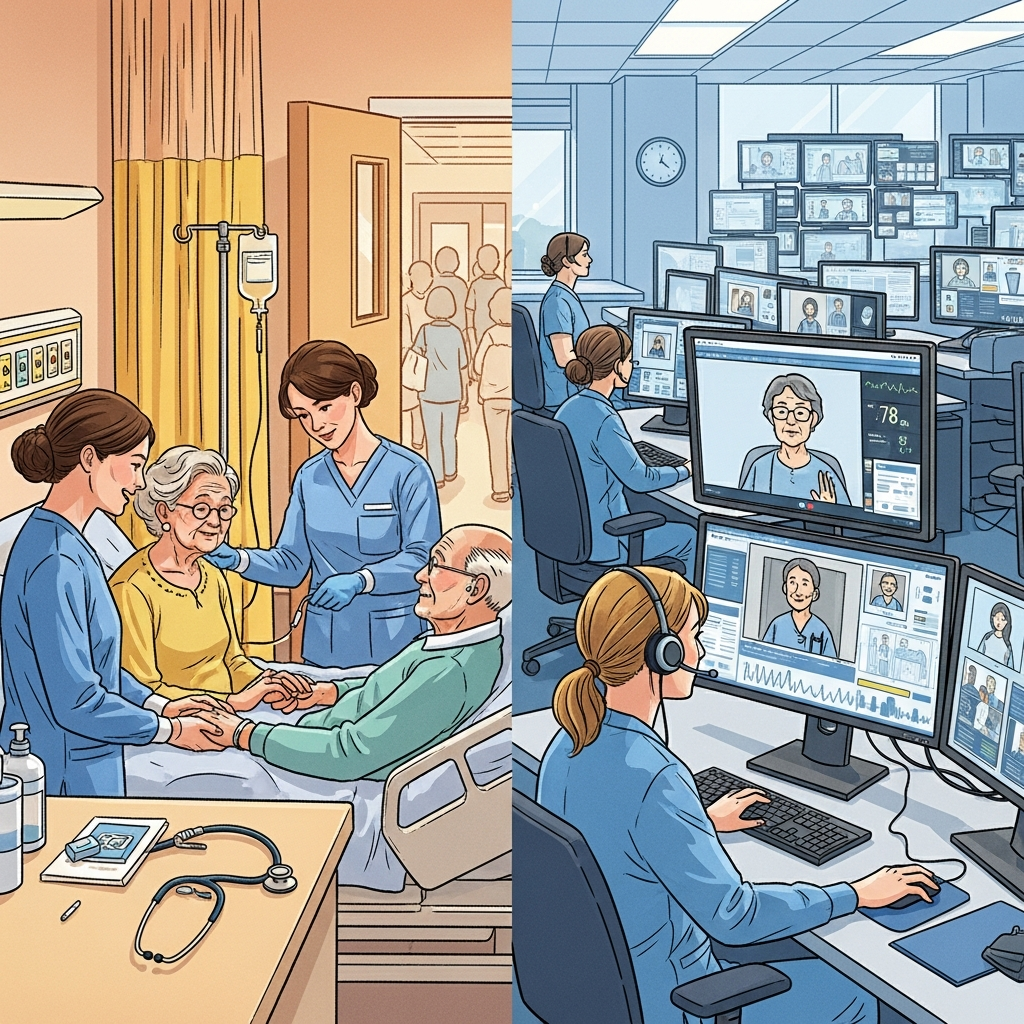
Virtual nursing and AI can extend monitoring and automate routine tasks, but current evidence shows they rarely replace hands‑on care. Leaders should deploy these tools as complements to sustained investments in recruitment, pay, training, and staffing models to safeguard quality and retention.
Ambient AI Scribes: Acceptance, Standards Needed

Ambient AI scribes are moving from pilot projects to routine use. Clinician acceptance is rising, but variable performance, privacy risks, and documentation inconsistencies mean national standards and strong local governance are essential for safe, scalable adoption.
CMS Payment Shifts Fuel AI Investment

As CMS payment models shift toward value and team-based reimbursement, AI’s ROI is increasingly tied to contract metrics and measurable population health outcomes. Health systems, vendors, and talent teams must align deployments, pricing models, and hiring strategies to convert clinical improvements into recoverable revenue under evolving CMS programs.
Medicare Policy, Regulation, and the Physician Workforce: Why Congress Now Shapes Burnout and Retention

Congressional action to delay physician pay adjustments and to examine regulatory drivers of burnout highlights a mounting workforce strain. Health systems should model policy scenarios and prioritize investments that reduce administrative burden — recruiters will favor institutions that restore clinical time and improve work–life balance.
States Rebuilding Physician Pipelines Strategically

States are deploying three coordinated strategies—medical school expansion, rural residency development, and pathways for internationally trained physicians—to address projected physician shortfalls. For physician recruiting and staffing teams, success will require integrating long‑term capacity building with immediate licensure and retention tactics, plus close coordination with state policy and rural training partners.