
AI Scribes Save Time But Sacrifice Note Quality

New research confirms AI scribes reduce documentation time but consistently produce lower-quality clinical notes than physicians. This quality gap positions physician oversight as essential infrastructure rather than transitional support, with significant implications for productivity metrics, compensation models, and how health systems structure AI-enabled clinical workflows.
Specialty Pay Growth Reshapes Physician Compensation Landscape

Physician compensation grew approximately 3% in 2025, but this headline figure masks dramatic specialty-level divergences and a narrowing gap between employed and self-employed physicians. Cardiologists have surpassed radiologists and plastic surgeons in average pay, while multi-factor incentive structures now account for 15-25% of total compensation, creating new complexity in evaluating offers.
Why Residents Feel Like Imposters—And How to Build Confidence During Early Training

Imposter feelings during residency aren’t a character flaw—they’re a predictable response to sleep deprivation, identity whiplash, and constant evaluation. The key isn’t eliminating self-doubt but learning to distinguish between anxiety-driven freezes and actual knowledge gaps, while building evidence that counters your brain’s selective memory.
How Visa Status Impacts Residency, Fellowship, and Career Planning for International Medical Graduates

For IMGs on J-1 visas, every career decision—travel, fellowship, job searches, even taxes—carries extra complexity that US graduates don’t face. Understanding Conrad 30 waiver timelines, visa renewal logistics, and tax filing requirements isn’t optional; it’s essential for avoiding costly mistakes during training and the transition to practice.
Why Residents Burn Out: The Hidden Toll of Preliminary Years, Schedule Chaos, and Systemic Dysfunction

Resident burnout isn’t just about long hours—it’s driven by preliminary year exploitation, chaotic scheduling, off-service mistreatment, and administrative dysfunction. Understanding these structural causes helps residents recognize that the exhaustion isn’t personal failure, but systemic. Naming the problem is the first step toward protecting yourself.
How to Find Off-Cycle Residency Positions: A Step-by-Step Guide for Residents Who Need to Transfer

Finding an off-cycle residency position is stressful, opaque, and often network-dependent. Whether you’re escaping a toxic program, navigating a closure, or switching specialties, this guide breaks down the actual steps—where to look, how to reach out, and what to expect when transferring mid-training.
Physician Shortages Fuel Expansion and Hiring Surge

Persistent physician shortages in cardiology, internal medicine, and family medicine are driving health system expansions and creating favorable hiring conditions for job-seeking physicians and APPs. Geographic flexibility and awareness of facility investments offer candidates strategic leverage in compensation negotiations and practice model selection.
Policy Gaps Expose Physician Recruitment Vulnerabilities

Idaho’s gubernatorial veto restoring physician recruitment funding and bipartisan criticism of the VA’s unused pay authority reveal government policy becoming an active force in physician hiring competition. Health systems must now monitor policy pipelines as competitive intelligence and benchmark against potential—not just current—government compensation levels.
How to Study for Board Exams During Residency: Resources, Strategies, and What Actually Works
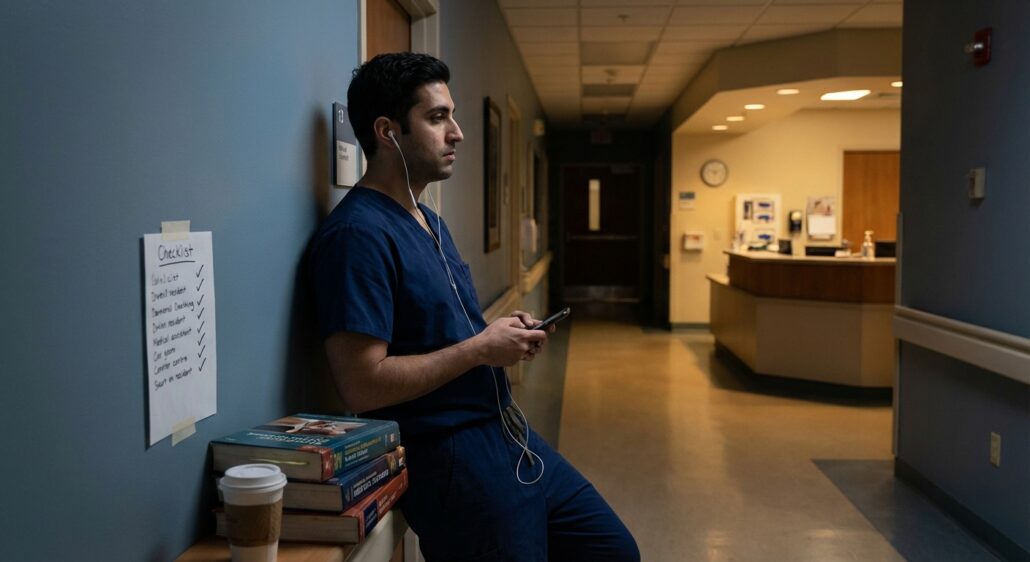
Board exams during residency aren’t just another test—they’re a high-stakes checkpoint while you’re already running on fumes. This guide breaks down when to start studying, which resources actually work by specialty, how to build sustainable habits during brutal rotations, and how to know when your practice scores mean you’re ready.
Burnout Now Drives Structural Physician Workforce Collapse

New research establishes burnout as a direct driver of physician workforce departure, transforming what was once framed as a wellness issue into a structural labor market crisis. With administrative burden intensifying and female physicians exiting at disproportionate rates, health systems face compounding supply constraints that demand systemic intervention beyond individual resilience programs.