
nurse-practitioner PhysEmp Salary Report: August 2026
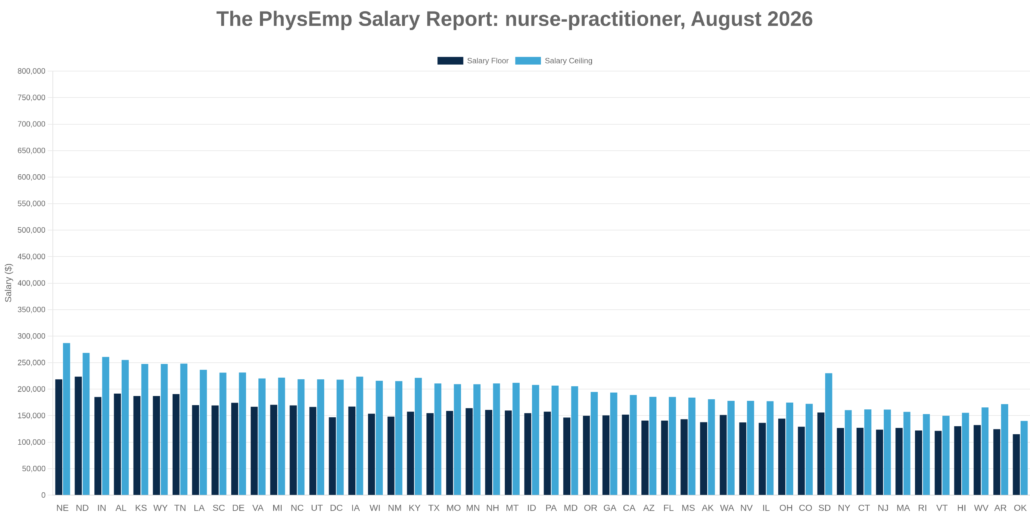
Somewhere in Palm Desert, California, a nurse practitioner is being offered $45,000 a year.
Infectious-Disease PhysEmp Salary Report: August 2026
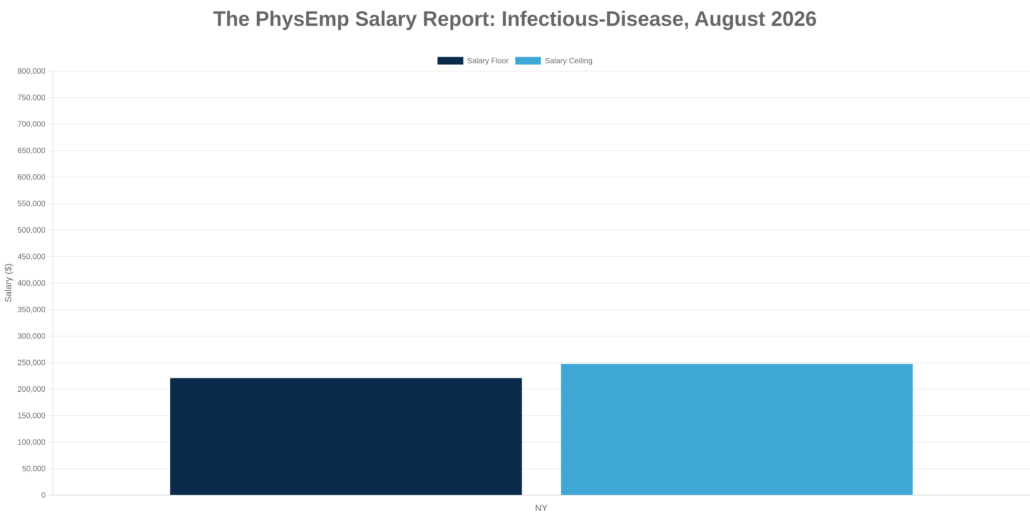
Of 46 Infectious Disease job listings posted nationally this cycle, exactly six disclosed a salary.
Rural Recruiting Pivots From Physician Search to Pipeline
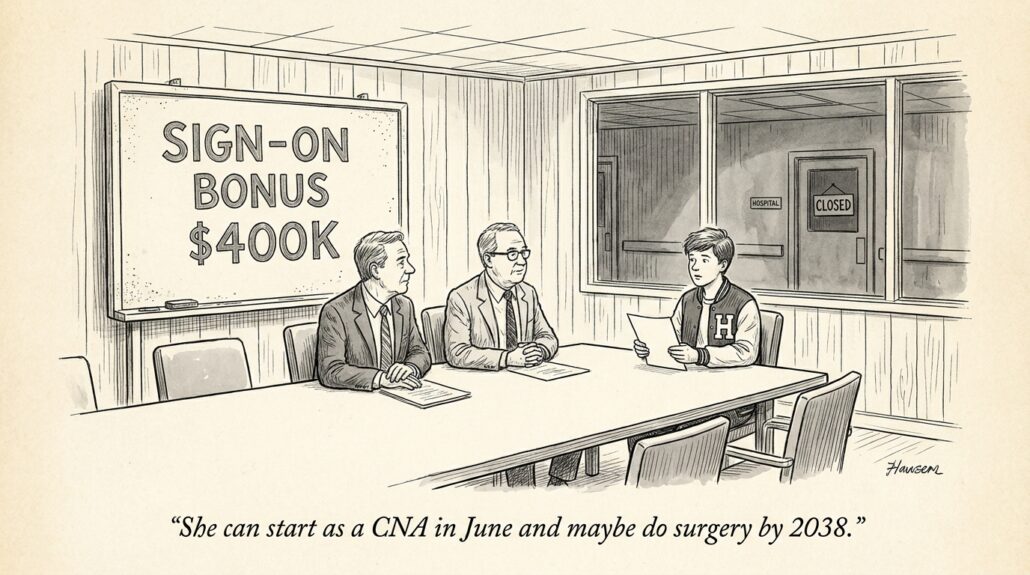
Rural and community health systems are abandoning traditional physician recruitment strategies as shortage pressures intensify. This week’s developments reveal a structural pivot toward pipeline development, APP integration, and regional coordination—a fundamental shift that redefines competitive positioning for organizations still relying on conventional placement approaches.
Nurse Practitioner PhysEmp Salary Report: August 2026
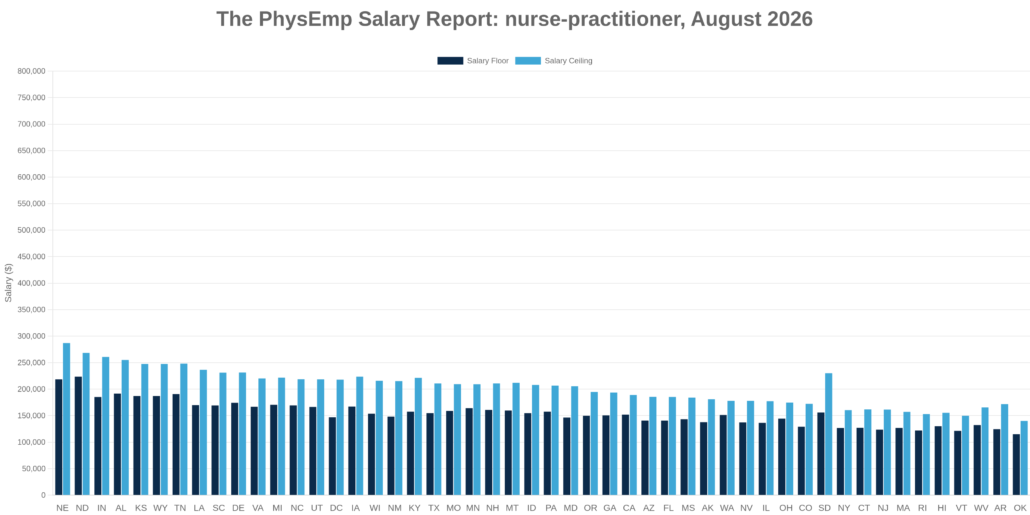
Somewhere in North Dakota, a nurse practitioner is being offered an average of $223,600 to $268,320 to relocate.
Coordinated Education Pipelines Reshape Nursing Supply

Coordinated investments across nursing education—from Pennsylvania’s 43-school consortium to hospital-based training partnerships in Indiana and Alabama—are producing measurable results against projected shortages. The emerging model combines accelerated pathways, faculty pipeline development, and embedded hospital training to reshape nursing workforce supply faster than traditional projections anticipated.
AI Governance Gaps Threaten Physician Compensation Leverage
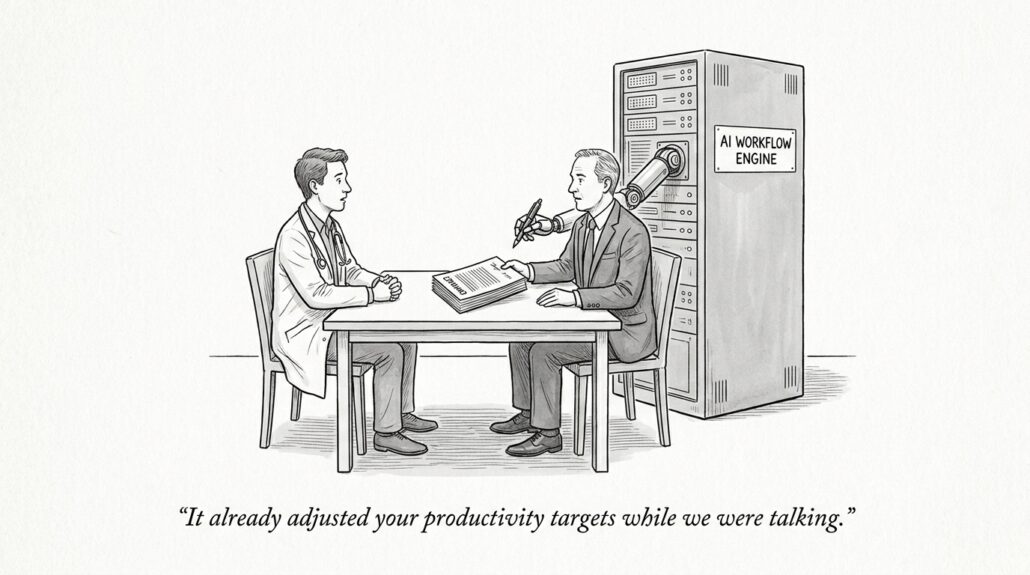
Health systems are deploying clinical AI without resolving governance—and the resulting vacuum directly threatens physician compensation leverage. As algorithms handle triage, documentation, and care pathways, physicians who lack governance authority risk seeing productivity metrics recalibrated around AI-assumed efficiencies they did not negotiate.
RVU Rate Gaps Expose Physician Pay Vulnerabilities

Per-wRVU rates ranging from $36 to $95 for identical work reveal how productivity-based compensation models enable systematic pay suppression. As administrative burden consumes physician time without generating billable units, task delegation and contract transparency emerge as critical strategies for protecting earnings.
Locums Merger Reshapes Physician Staffing Leverage
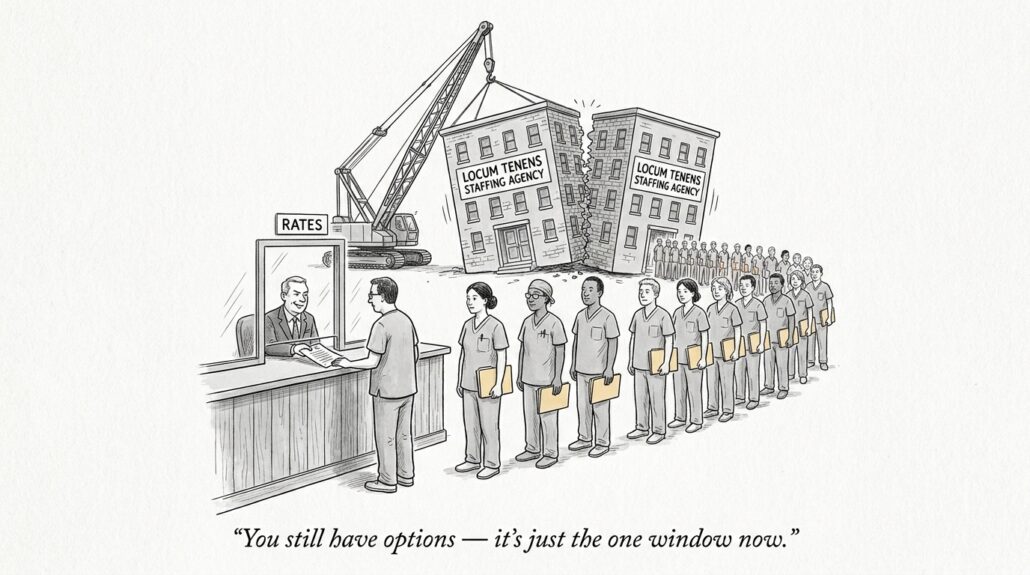
Private equity-backed consolidation of two top-ten locum tenens staffing companies coincides with new data showing 92% of health systems now rate advanced practice providers as essential to workforce strategy—yet rural facilities are cutting APP investment while urban systems expand. For physicians, this divergence creates asymmetric compensation leverage depending on practice setting.
Retention Infrastructure Reshapes Physician Workforce Strategy
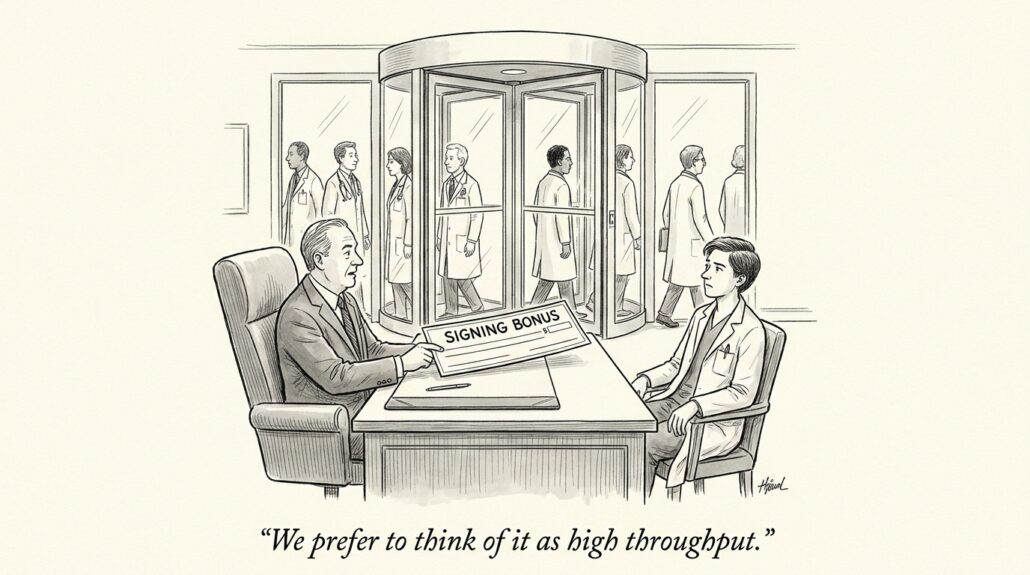
Health systems are building systematic retention infrastructure—from AI-powered credentialing platforms that compress onboarding timelines by 30% to formal retention strategies and leadership alignment programs—as organizations with these capabilities gain structural advantages in physician recruitment without relying solely on compensation escalation.
AI De-Skilling Risk Threatens Physician Market Value

As AI tools proliferate across clinical settings, new research reveals a troubling paradox: the technology designed to reduce physician burnout may simultaneously erode the clinical judgment that commands premium compensation. De-skilling risks, liability shifts, and evolving contract implications are reshaping how physician market value is assessed.