
Why Healthcare Jobs Lead 2026’s Best Careers Lists

Healthcare careers dominate 2026’s best jobs rankings, driven by six-figure salaries, exceptional job security, and unique protection against AI automation. This analysis explores why roles like physician assistant and nurse practitioner top the lists and what this means for healthcare recruiters and job seekers navigating an AI-driven economy.
Why Consumer AI Chatbots Need Healthcare Governance

As healthcare organizations rush to deploy consumer AI chatbots like ChatGPT and Claude, critical governance gaps are emerging. This post explores the accountability, privacy, and ethical challenges these tools pose in clinical settings, and outlines the robust frameworks healthcare leaders must establish to protect patient safety while leveraging AI’s potential.
Beyond the Algorithm: Why Healthcare AI Fails

Most healthcare AI projects fail—not because of weak algorithms, but due to poor integration, inadequate infrastructure, and lack of outcomes measurement. This analysis examines why 90% of healthcare AI implementations fall short and what organizations must prioritize to move from AI hype to real clinical value, including workflow alignment, robust data infrastructure, and rigorous outcome tracking.
Physician Shortages Drive State-Level Regulatory Innovation

States are taking dramatically different approaches to address physician shortages, with Texas leading a wave of regulatory reform to streamline licensing for foreign-trained doctors. This article analyzes the emerging patchwork of state-level workforce strategies and explores what healthcare recruiters and job-seekers need to know about the changing regulatory landscape for physician hiring and practice.
Building the Pipeline: States Invest in Nursing Education

States and universities are expanding nursing education programs and eliminating financial barriers to address critical workforce shortages. From New York’s free tuition initiative to Florida and Mississippi’s targeted program expansions, these coordinated efforts will reshape healthcare recruitment. Learn what these developments mean for employers planning long-term workforce strategy.
NYC Nursing Strike Signals Deeper Workforce Crisis
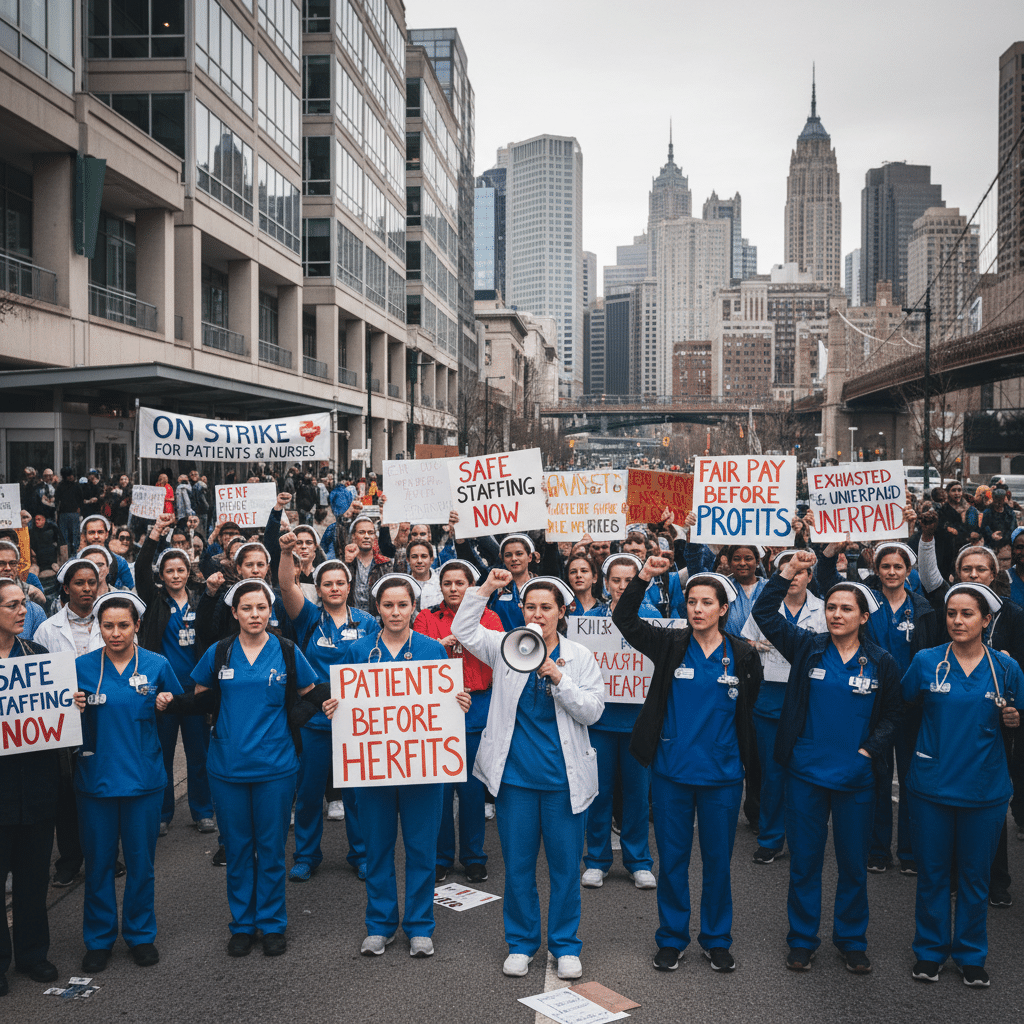
The largest nursing strike in New York City history reveals deep fractures in healthcare workforce systems. Over 17,000 nurses demanding enforceable staffing ratios and better working conditions signal that traditional recruitment and retention strategies are no longer sufficient in the post-pandemic landscape. This analysis explores what the strike means for healthcare employers, recruiters, and the future of nursing workforce management.
Hiring Strategies That Work During the Current Physician Shortage

The physician shortage continues to challenge healthcare systems and staffing firms nationwide. Recruiters face pressure to fill critical roles faster, with fewer candidates and intensifying competition. Here are actionable strategies to succeed in today’s tight labor market. Understanding the Shortage The physician shortage stems from an aging workforce, increased care demand, burnout, retirements, and pandemic […]
External Pressures Intensifying the Nursing Shortage Crisis

Federal loan policy changes and labor disputes are converging to create unprecedented pressure on the nursing workforce. This analysis examines how external forces—from graduate loan caps that could narrow the nursing education pipeline to strikes highlighting unsustainable workplace conditions—are compounding the nursing shortage and what healthcare employers and job seekers need to know.
Nursing Schools Expand Nationwide: Pipeline Implications

Universities across the U.S. are launching major nursing program expansions to address critical workforce shortages. From Missouri to Massachusetts, these initiatives use geographic targeting, substantial investments, and accelerated pathways to reshape the nursing talent pipeline. Healthcare recruiters and job seekers should understand how these developments will impact workforce availability and competitive hiring dynamics in the coming years.
States Tackle Physician Shortages with Divergent Strategies
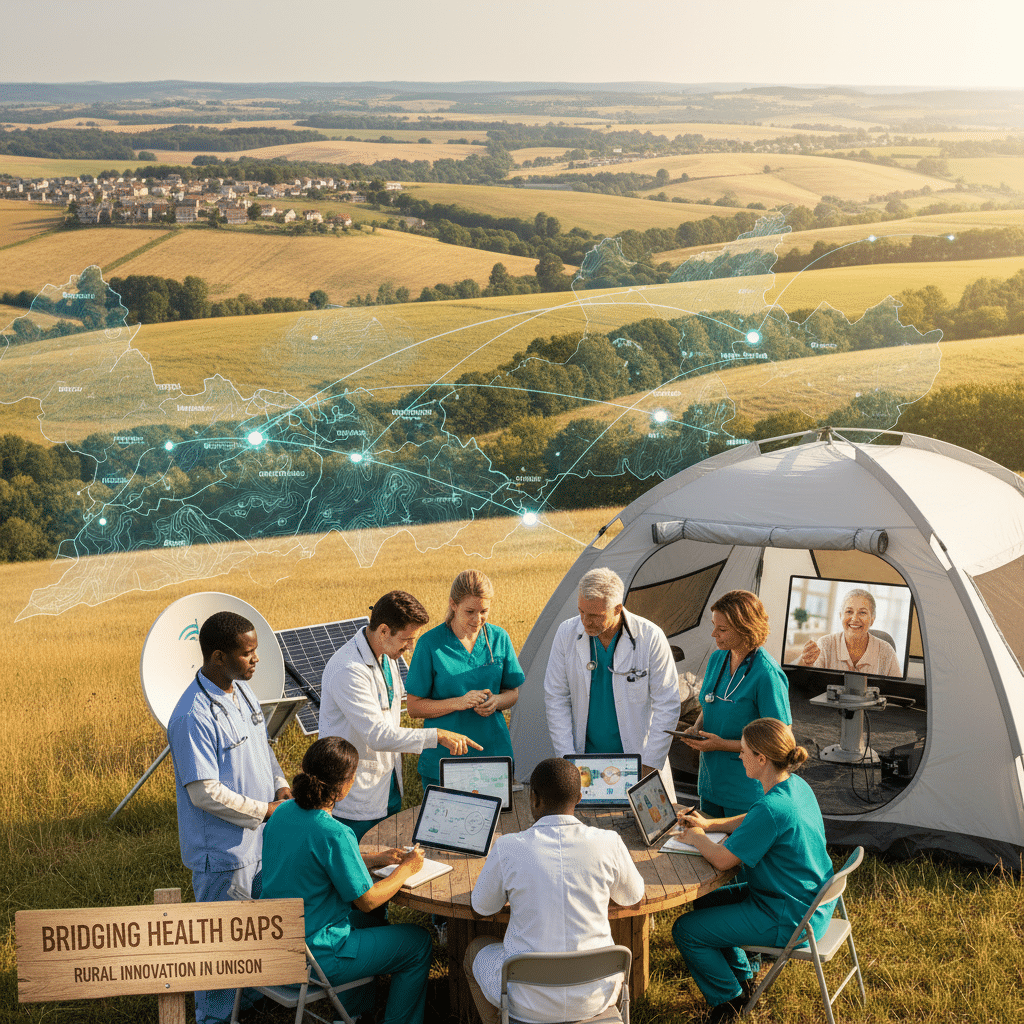
As physician shortages intensify nationwide, states are implementing markedly different strategies to address workforce gaps. From North Carolina’s local talent development pipelines to Texas’s streamlined licensing for international graduates and Maine’s partnership-based approach, these regional experiments offer crucial insights for healthcare recruiters and job seekers navigating an increasingly fragmented employment landscape.