
The Physician Job Market: What’s Actually Happening Out There (And What It Means For You)

This analysis synthesizes PhysEmp editorial coverage from March through May 2026 spanning physician workforce supply, specialty pay dynamics, contract structures, and emergency medicine market shifts. Editorial analysis by the PhysEmp Editorial Team Every resident has heard some version of “it’s a great market for physicians right now.” This is technically true, less useful than it […]
The Physician Job Search Timeline: When to Start, What to Do, and Why “Plenty of Time” Is a Trap

This analysis synthesizes recruiter timeline guidance and PhysEmp editorial coverage of contract structures, credentialing, and the residency-to-practice transition. Editorial analysis by the PhysEmp Editorial Team. There’s a particular kind of conversation that happens in resident lounges around February of PGY-2 year. Someone mentions they’ve already signed a contract. Everyone else looks up from their lunch […]
Shift-Based Pay: The Hourly Math Hospitals Hope You Don’t Do

This analysis draws on PhysEmp editorial coverage from March and May 2026 spanning uncompensated physician work, emergency medicine contract dynamics, and shift-based compensation structures. Editorial analysis by the PhysEmp Editorial Team. Shift-based compensation is the cleanest deal in medicine. You’re paid for the hours you work. You don’t chase wRVUs. You don’t worry about whether […]
The Signing Bonus Trap: What Six-Figure Recruitment Incentives Are Actually Buying You
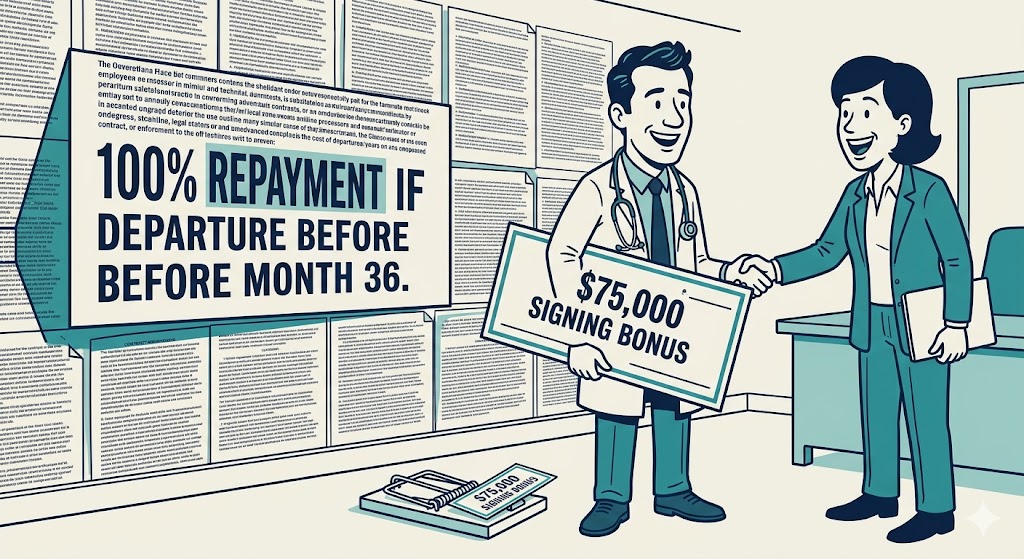
This analysis draws on PhysEmp editorial coverage from March through May 2026 spanning Medicare reimbursement, blended compensation structures, and emergency medicine contract dynamics. Editorial analysis by the PhysEmp Editorial Team. The signing bonus used to be a flourish. A little something extra at the end of the offer letter, the recruiting equivalent of a mint […]
Medicare Pay Erosion Reshapes Specialty Recruitment Economics
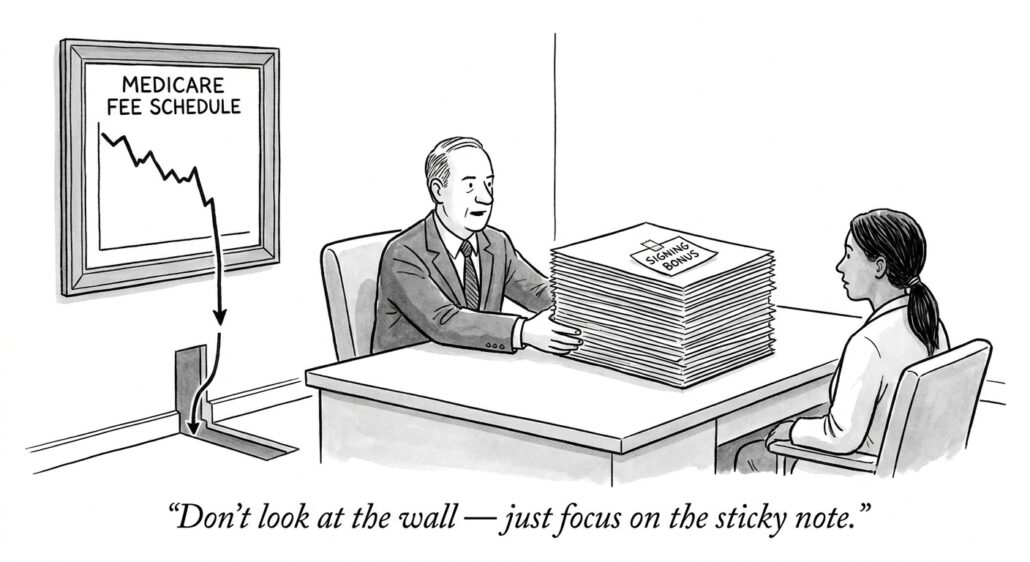
The 33% inflation-adjusted decline in Medicare physician reimbursement since 2001 is fundamentally reshaping specialty recruitment economics and contract structures. As Congress debates modest relief measures, health systems face mounting pressure to design compensation packages that absorb federal payment erosion while competing for physicians in shortage specialties.
Locum Priorities Reshape Physician Hiring Leverage

New survey data reveals locum tenens providers now prioritize flexibility over compensation, fundamentally reshaping how health systems must compete for physician talent. Combined with international recruitment pipeline expansion and compensation benchmark alignment, physicians and APPs gain strategic leverage—but must navigate increasingly complex hiring dynamics to optimize career outcomes.
Staffing Tech and Rural Models Reshape Recruiting
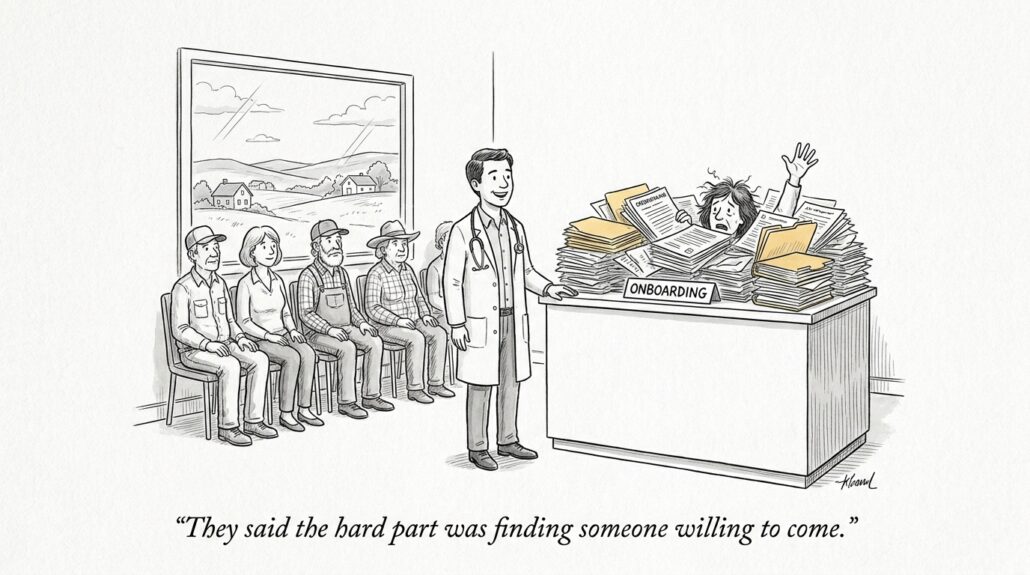
New technology platforms targeting credentialing friction and proven rural pipeline models from institutions like A.T. Still University are reshaping physician recruiting infrastructure. These parallel developments signal that staffing execution capability—not just compensation—is becoming the decisive competitive differentiator for healthcare organizations.
Student Loan Caps Threaten Healthcare Workforce Pipeline
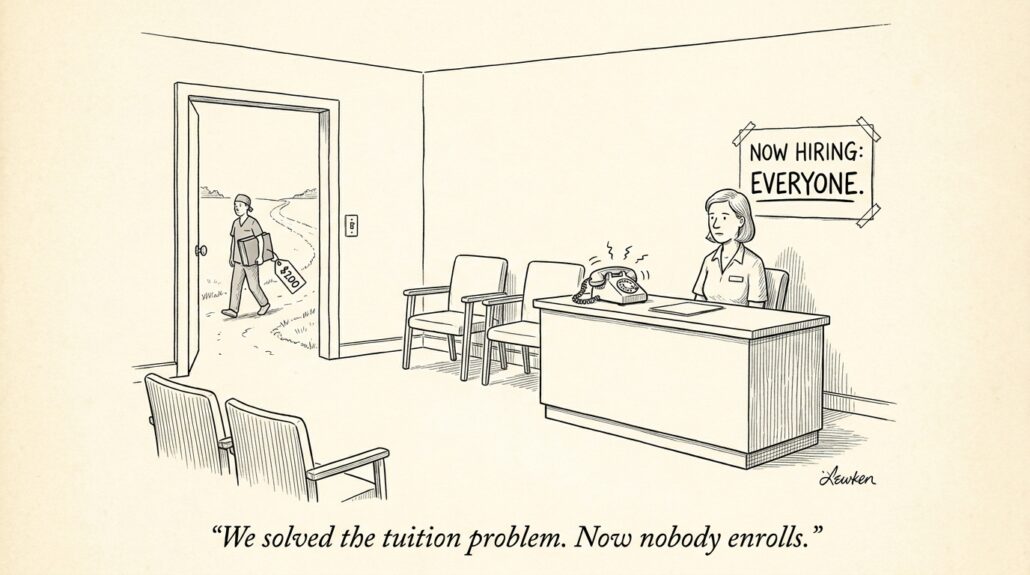
Twenty-five states have sued the federal government over graduate student loan limits that threaten nursing and allied health training programs. The coordinated legal and legislative response signals recognition that constraining healthcare education financing will intensify clinical workforce shortages and reshape labor market competition for years to come.
Ambient AI Scribes Transform Physician Productivity Calculus
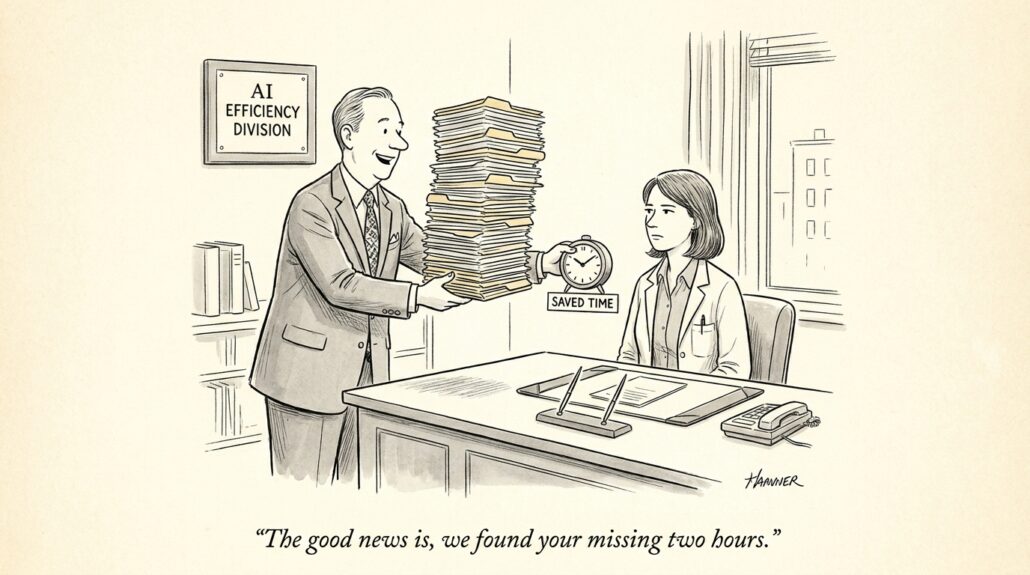
Ambient AI scribing tools are reaching unprecedented scale with documented ROI of $24,000 per physician annually, yet Ontario audit findings reveal significant hallucination risks that shift liability to physicians. As health systems capture productivity gains, physicians must navigate evolving compensation models and verification burdens that may offset promised time savings.
Cardiology Pay Surges While Psychiatry Stalls
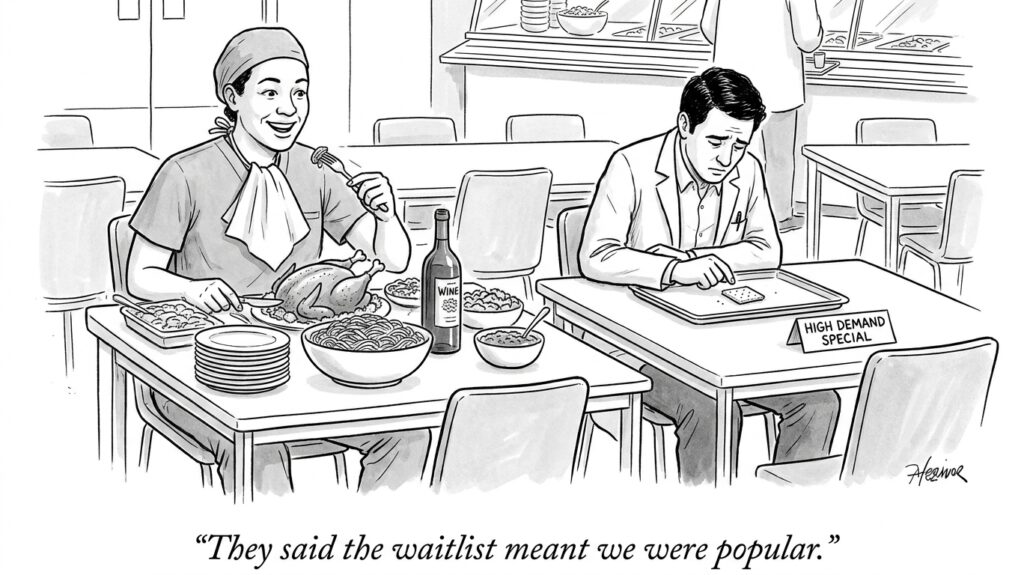
Physician compensation is diverging sharply by specialty, with cardiology surging past all others while psychiatry and oncology see declines despite strong demand. This analysis reveals how procedural revenue capture and reimbursement architecture—not simple supply-demand dynamics—are driving these widening pay disparities.