
Urgent Care Physician PhysEmp Salary Report: June 2026
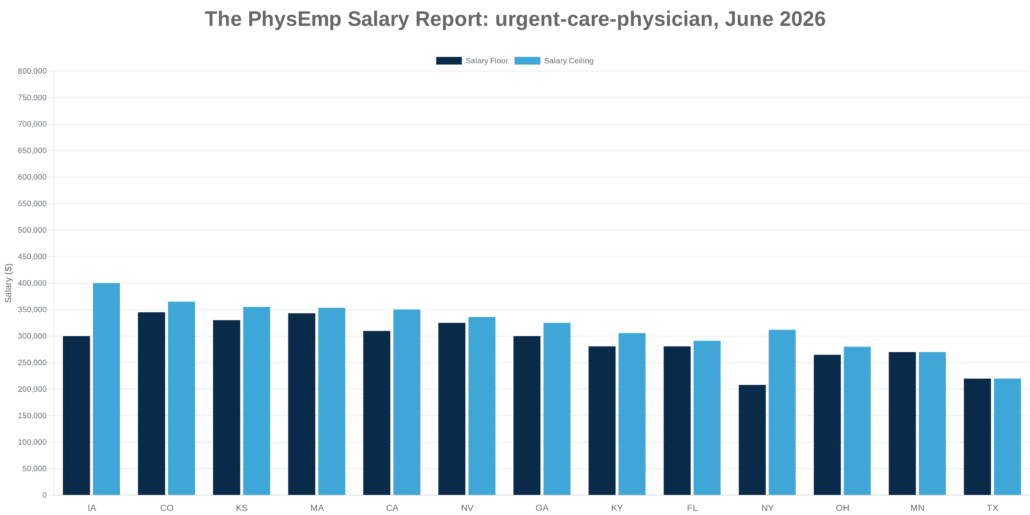
Somewhere in Sunnyvale, California, an urgent care physician is being offered up to $395,000 a year to evaluate sore throats, sprained ankles, and the occasional patient who Googled their symptoms on the drive over.
Pulmonology PhysEmp Salary Report: June 2026
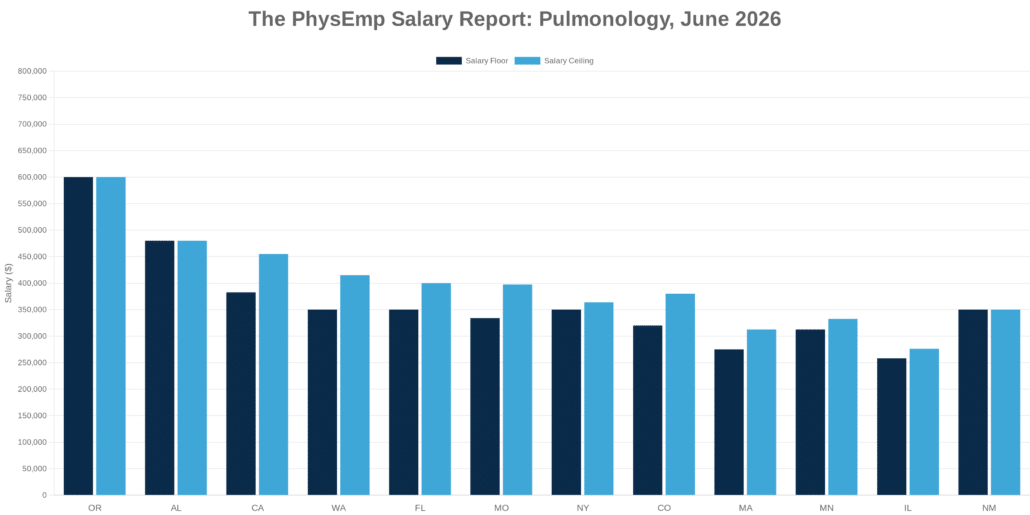
Somewhere in Oregon, a single Pulmonology listing is offering $600,000 a year.
Urology PhysEmp Salary Report: June 2026
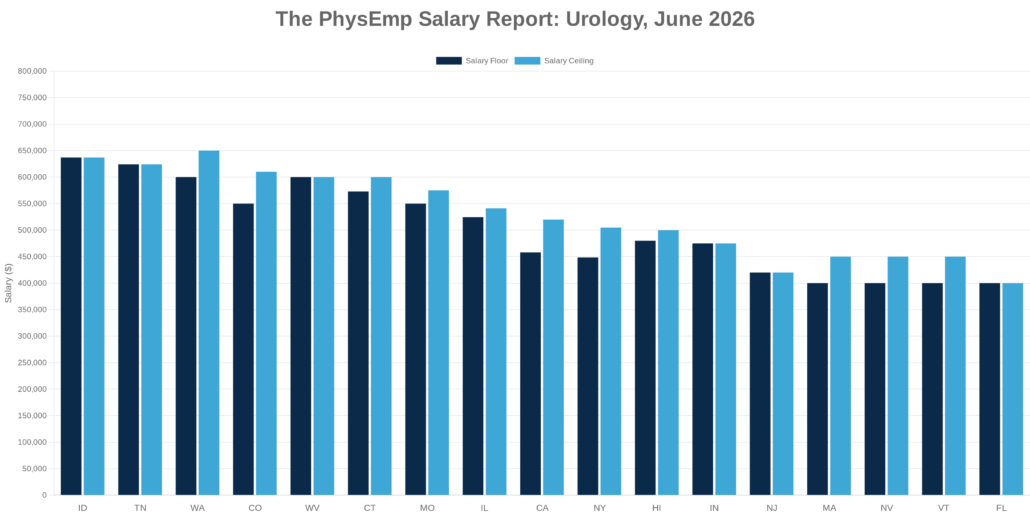
A urologist in Springfield, Missouri can earn $700,000 a year.
Immigration Barriers Threaten Rural Physician Pipeline
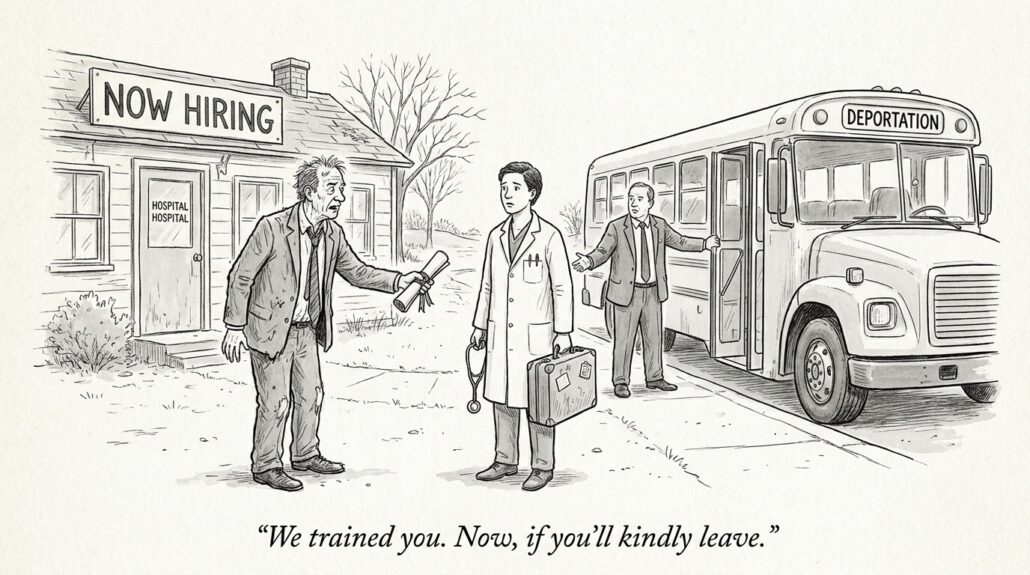
Federal immigration policies including proposed $100,000 H-1B visa fees and J-1 waiver processing delays threaten to collapse physician supply in rural and underserved areas most dependent on international medical graduates. With one in four U.S. physicians being foreign-trained, healthcare organizations must develop contingency workforce strategies while advocating for policy coherence.
Pediatrics PhysEmp Salary Report: June 2026
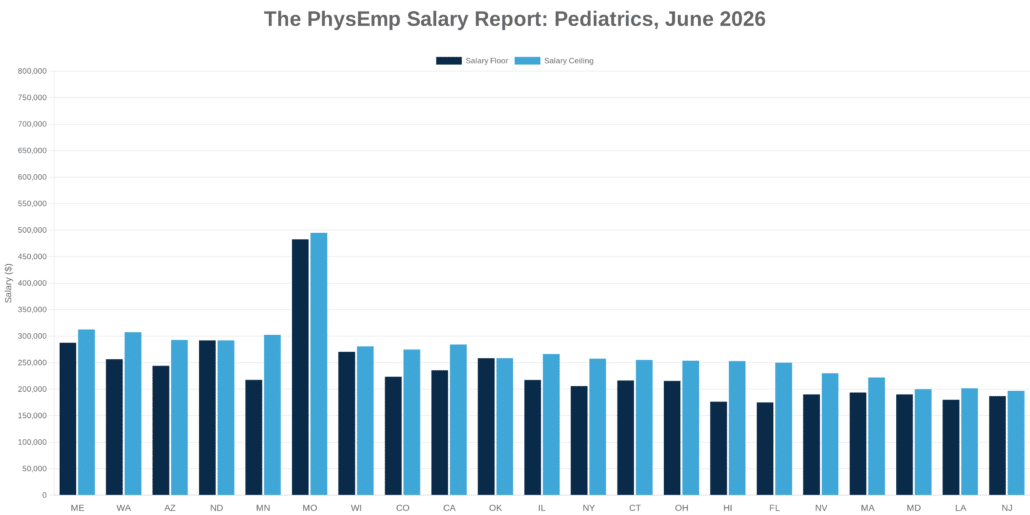
The highest-paying Pediatrics position in America offers $475,000 to $500,000 annually in Saint Louis, Missouri—a city where a four-bedroom house costs less than a studio in Boston.
Physician Assistant PhysEmp Salary Report: June 2026
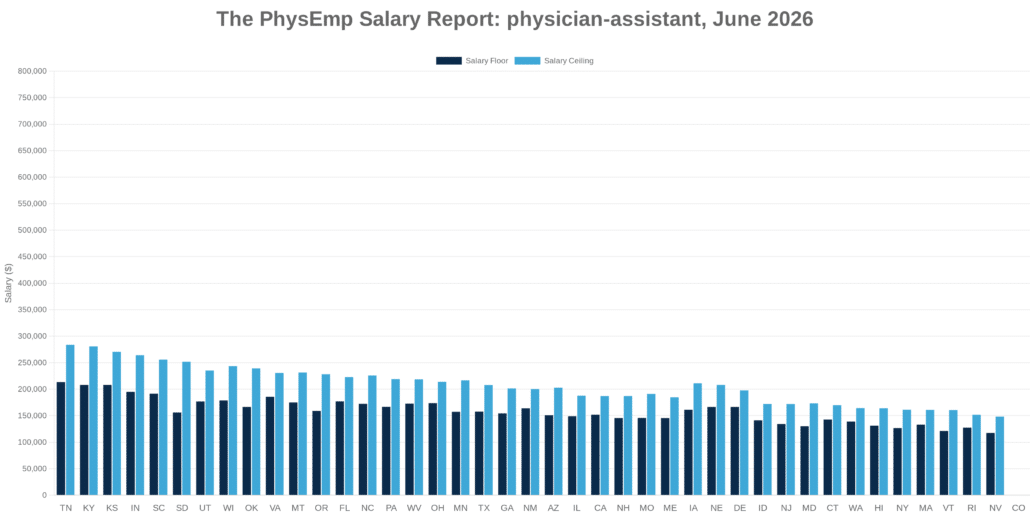
The physician assistant market spans from $94,000 to $400,000 annually, a 326% range that tells you everything and nothing about what you should expect to earn.
Primary Care Physician PhysEmp Salary Report: June 2026
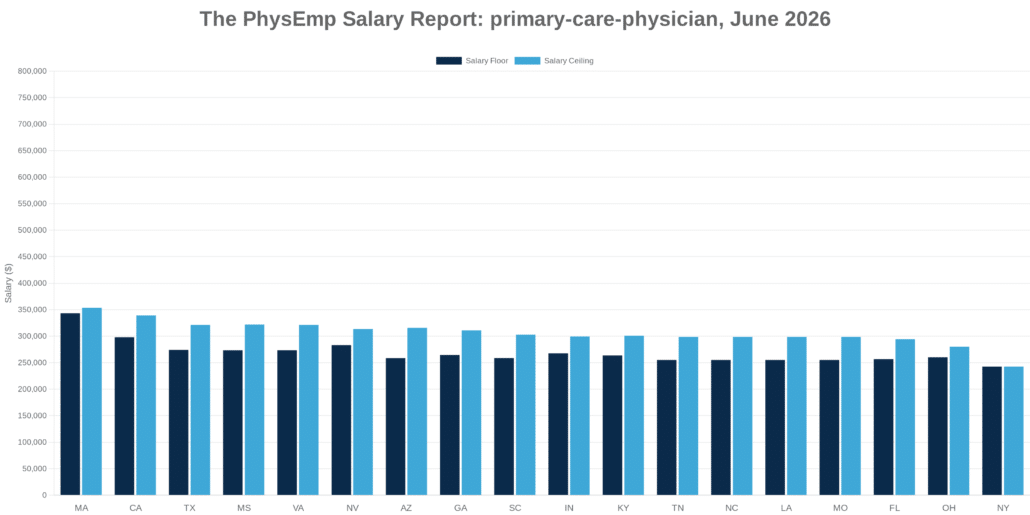
Massachusetts is paying primary care physicians an average of $348,400 to do the work that holds the entire healthcare system together.
Psychiatry PhysEmp Salary Report: June 2026
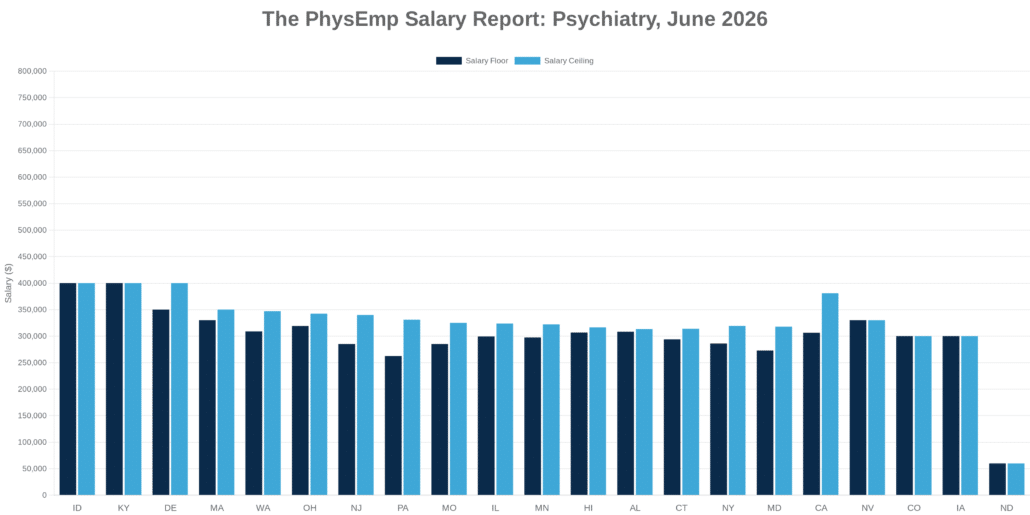
Kentucky and Idaho are paying psychiatrists $400,000 per year.
Physiatry PhysEmp Salary Report: June 2026
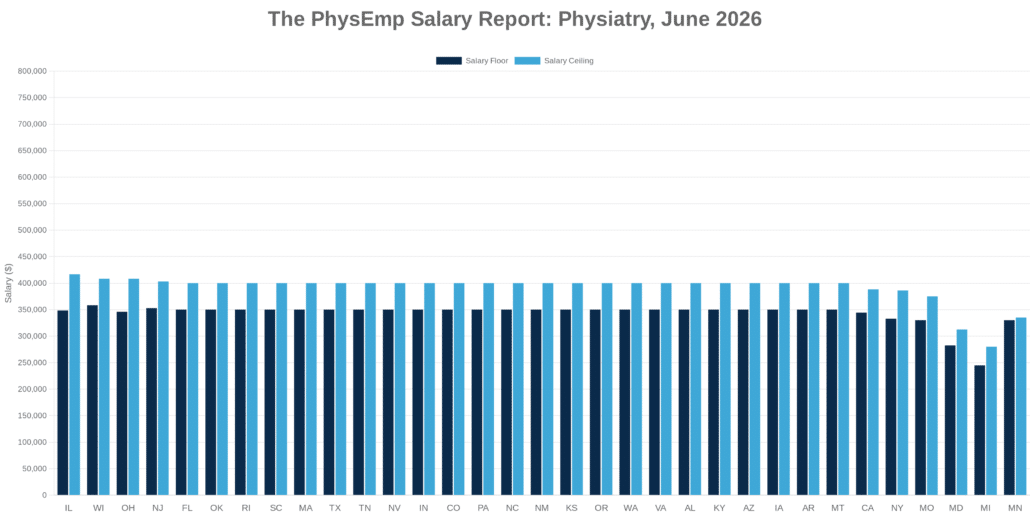
Illinois is paying Physiatrists up to $416,667 to help people walk again, which is both the highest state average ceiling in the nation and roughly what a decent relief pitcher makes.
Ambient AI Scribes Reshape Physician Workflow Tradeoffs
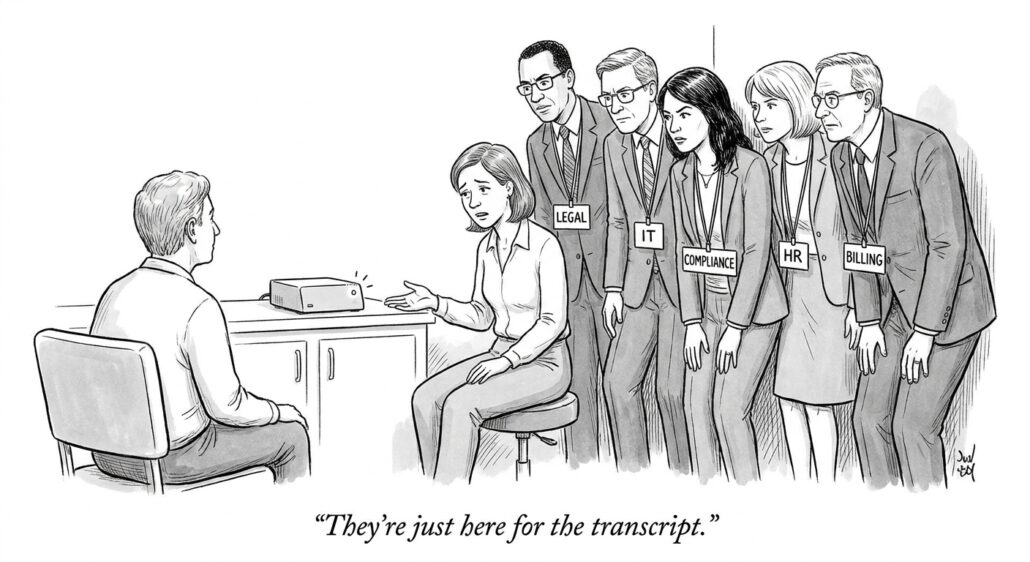
Large-scale ambient AI scribe deployments are producing measurable physician productivity gains, but the structural implications—including note quality gaps, data governance risks, and compensation model misalignment—demand strategic attention from physicians and health system leaders navigating this transition.