Why Residency Burnout Hits Harder Than You Expect—And What Actually Helps
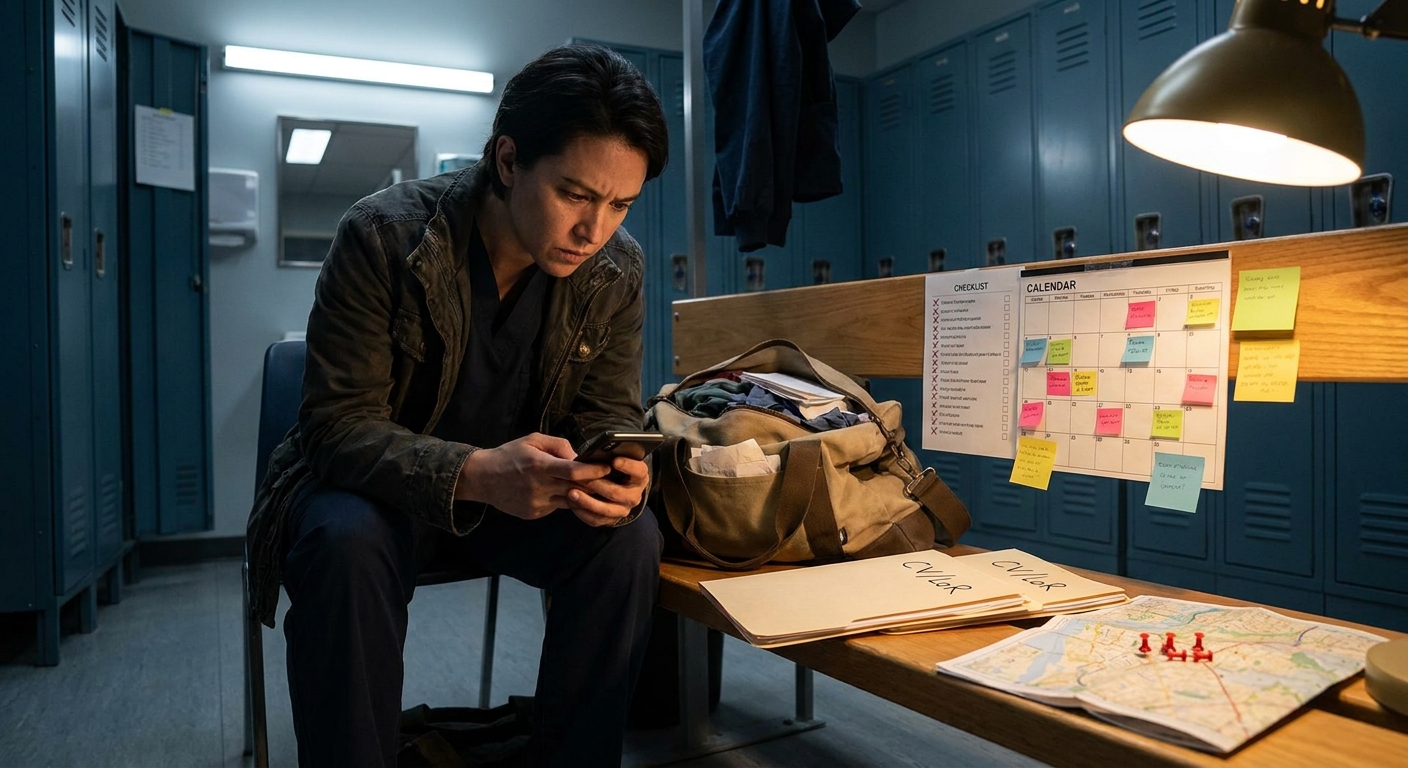
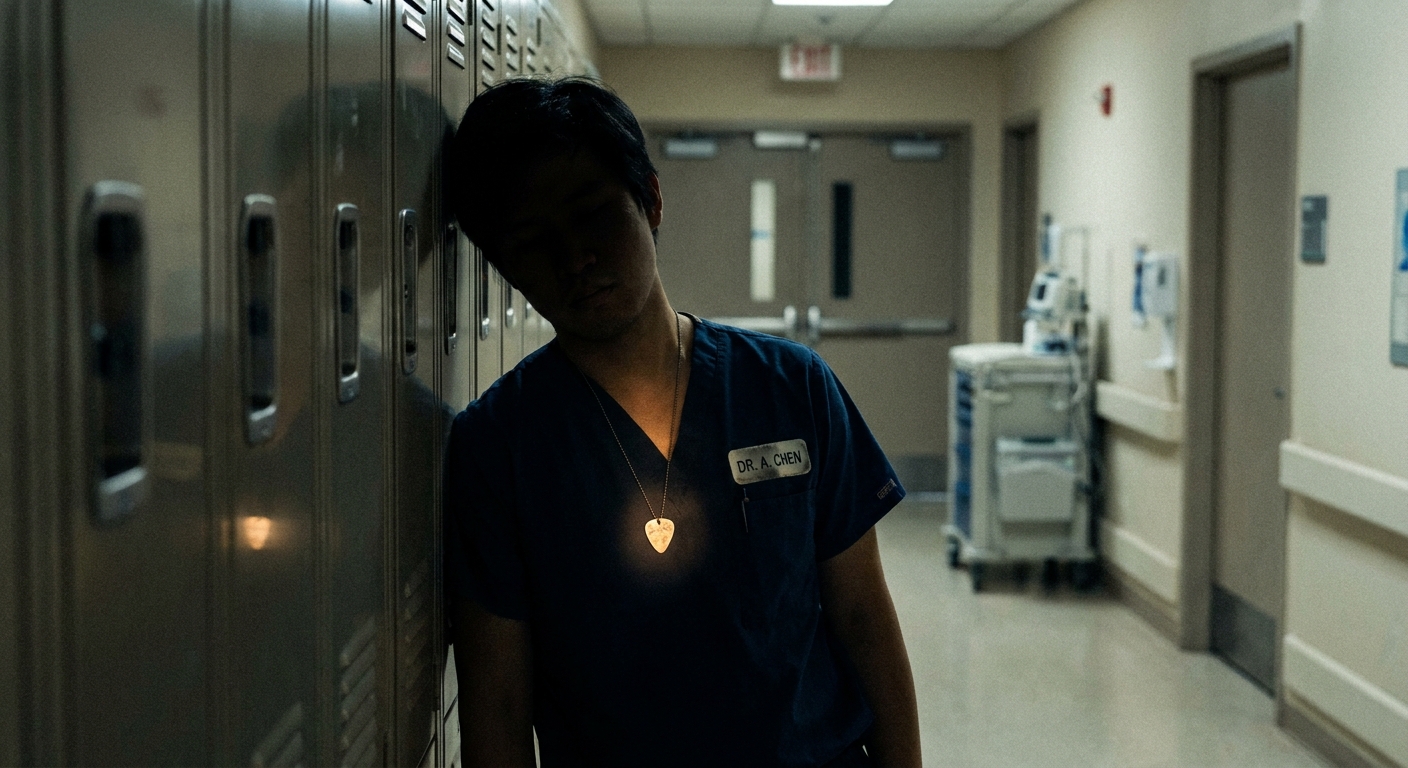
You expected residency to be hard. You prepared for the long hours, the steep learning curve, the weight of responsibility. What you probably didn’t expect was the slow erosion—the creeping numbness, the cynicism that sneaks into your patient interactions, the unsettling feeling that you’re losing pieces of yourself you didn’t know were at risk.
Burnout is the single most common thread running through resident experiences. It shows up in preliminary year struggles, toxic workplace dynamics, emotional exhaustion, relationship strain, and that nagging question: Is this supposed to feel this bad? The answer is no—and understanding what’s actually happening is the first step toward doing something about it.
Burnout Is More Than Being Tired
Let’s get specific. Burnout isn’t just fatigue from working 80-hour weeks. It’s a syndrome with distinct dimensions that hit residents from multiple angles:
- Emotional exhaustion: You feel depleted before your shift even starts. Recovery on days off doesn’t happen—you’re just less exhausted.
- Depersonalization: Patients become “the gallbladder in room 4.” You catch yourself being cynical or detached in ways that don’t feel like you.
- Reduced sense of accomplishment: Despite doing hard things every day, nothing feels meaningful. The wins don’t register.
- Identity erosion: You entered medicine with purpose. Now you’re not sure who you are outside the hospital—or if that person still exists.
- Isolation: Even surrounded by co-residents, you feel alone. Nobody seems to have time for real conversation, including you.
Recognizing these dimensions matters because they require different responses. You can’t sleep off depersonalization. You can’t exercise away identity erosion. Understanding what’s actually happening helps you target your response.
Why Residency Makes Burnout Worse
Burnout exists across professions, but residency has a uniquely brutal setup:
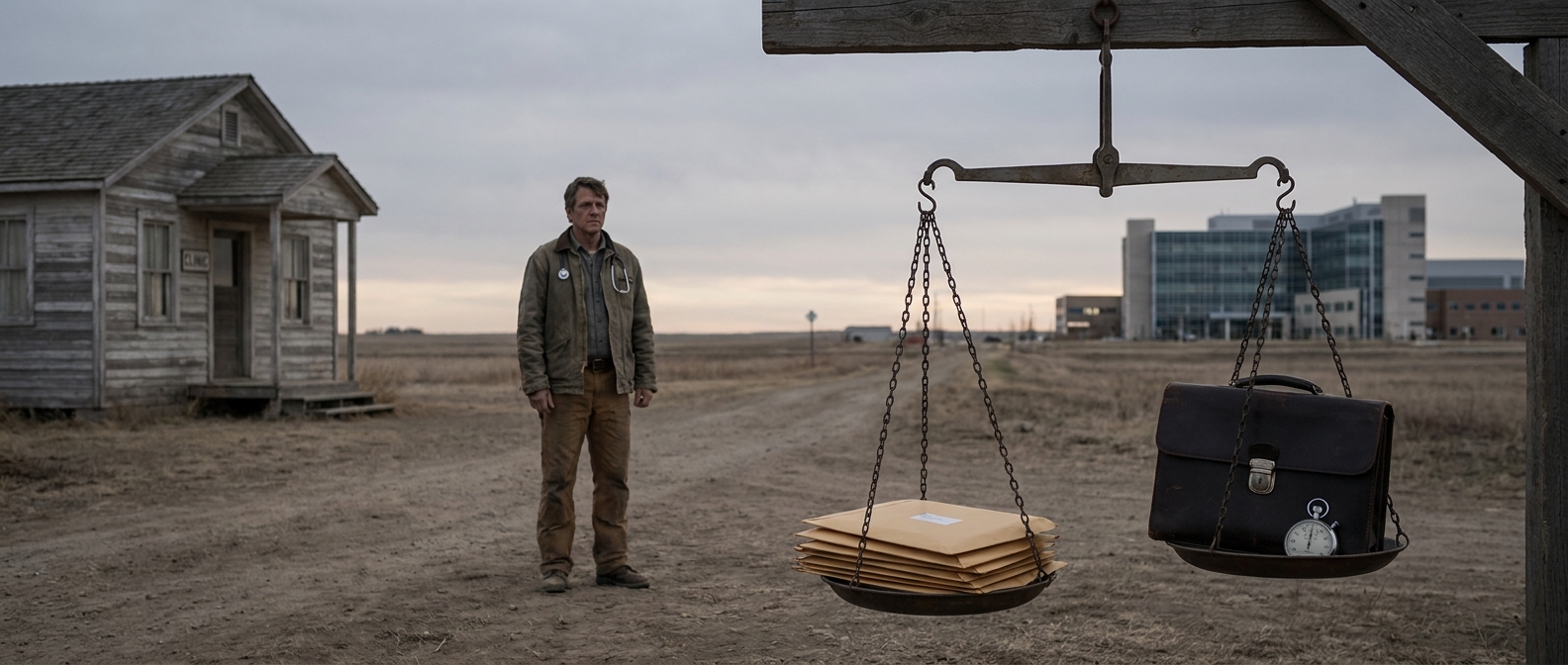
You can’t leave. Unlike most jobs, walking away has massive consequences—career derailment, visa issues, debt with no income. This trapped feeling amplifies every stressor.
The hierarchy discourages honesty. Admitting you’re struggling can feel risky when evaluations determine your future. So residents mask, push through, and isolate.
Moral distress is constant. You see patients fall through system cracks. You’re asked to do more with less. You witness suffering you can’t fix. This accumulates.
Your identity is under construction. You’re becoming a physician while simultaneously questioning whether this is what you signed up for. That’s a heavy cognitive load on top of everything else.
What Actually Helps: Evidence-Based Strategies
Generic advice like “practice self-care” doesn’t cut it when you have 20 minutes between cases. Here’s what the evidence—and real resident experience—suggests actually moves the needle:
1. Micro-Recovery
You don’t have time for spa days. But small, intentional recovery moments matter. A 10-minute walk outside. One meal eaten sitting down, not charting. Five minutes of silence in your car before going inside. These aren’t luxuries—they’re maintenance.
2. Peer Connection (Real, Not Performative)
The most protective factor against burnout is feeling like you’re not alone in it. This doesn’t mean venting sessions that leave everyone feeling worse. It means honest conversations with peers who get it. Peer support communities—like Doc Commons—exist specifically because residents need spaces to be real without professional risk.
3. Boundary Setting Where Possible
You can’t control your schedule, but you can protect small things. Not answering non-urgent messages on days off. Saying no to optional commitments when you’re depleted. These feel small, but they preserve what little autonomy you have.
4. Reconnecting With Purpose
When everything feels like a grind, intentionally recall why you chose this. Not in a toxic-positivity way, but genuinely. One meaningful patient interaction. One moment where your training made a difference. These don’t erase the hard parts, but they provide counterweight.
5. Physical Basics
Yes, you’ve heard it. But sleep, movement, and nutrition aren’t optional—they’re the foundation everything else sits on. You don’t need to train for a marathon. You need to not run on coffee and vending machine snacks for weeks at a time.
Knowing When to Seek Help
There’s a line between burnout and clinical depression or anxiety—and residency makes it easy to miss. Watch for these signals:
- Persistent hopelessness that doesn’t lift on days off
- Thoughts of self-harm or wishing you wouldn’t wake up
- Inability to function—missing work, unable to complete basic tasks
- Substance use to cope
- Complete emotional numbness lasting weeks
If you’re here, this isn’t something to push through. Most programs have confidential mental health resources. The Physician Support Line (1-888-409-0141) offers free, confidential peer support from psychiatrists who understand physician culture. Using these resources isn’t weakness—it’s recognizing that some problems require professional support.
The Bigger Picture: Burnout and Your Career
How you navigate burnout now shapes your entire career. Residents who develop coping strategies, build support networks, and learn to recognize their limits become attendings who can sustain long careers. Those who white-knuckle through often crash later—or leave medicine entirely.
This also matters for job decisions. As you evaluate future positions, workplace culture isn’t a “nice to have”—it’s a burnout predictor. Programs and practices that ignore physician wellbeing will cost you, whether in mental health, relationships, or career longevity. Learning to assess culture now is a skill that pays dividends.
Key Takeaways
- Burnout is multi-dimensional—exhaustion, cynicism, isolation, and identity loss all require different responses
- Micro-recovery and genuine peer connection are your most accessible tools
- Know the line between burnout and clinical depression—and get help when you cross it
- How you handle burnout now sets patterns for your entire career
- Workplace culture matters for long-term sustainability—evaluate it seriously in job decisions
Residency is hard by design. But “hard” shouldn’t mean losing yourself in the process. Recognizing what’s happening, using strategies that actually work, and knowing when to ask for help—that’s not weakness. That’s how you build a career you can sustain.