Why This Matters Now
The healthcare workforce crisis has reached an inflection point. As organizations enter 2026, the dual pressures of clinician shortages and technological transformation are forcing a fundamental reimagining of how healthcare attracts, trains, and retains its workforce. What makes this moment distinctive is not simply the severity of staffing challenges—though those remain acute—but the coordinated response emerging across medical education and career-long practice, reshaping the broader healthcare workforce labor market.
Executives consistently rank workforce as their primary concern, yet the solutions being deployed extend far beyond traditional recruitment tactics. Healthcare is witnessing a strategic convergence: training programs are integrating AI competencies while prioritizing mental health, health systems are investing simultaneously in automation and clinician well-being, and both sectors are experimenting with structural reforms designed to make healthcare careers more sustainable. This parallel evolution suggests an industry beginning to address root causes rather than surface-level symptoms.
For healthcare professionals and organizations alike, understanding these intersecting trends is essential. The physicians entering practice today will work in environments shaped by these investments, while the training reforms underway will influence clinical capabilities for decades to come.
Restructuring Medical Education for Modern Practice
Medical residency programs are undergoing their most significant transformation in a generation, driven by recognition that traditional training models inadequately prepare clinicians for contemporary practice realities. The expansion of primary care and rural medicine tracks reflects a pragmatic response to geographic and specialty mismatch—areas where shortages are most acute receive targeted training pipelines. Community-based training sites are proliferating as academic medical centers acknowledge that exposure to diverse practice settings produces more adaptable physicians.
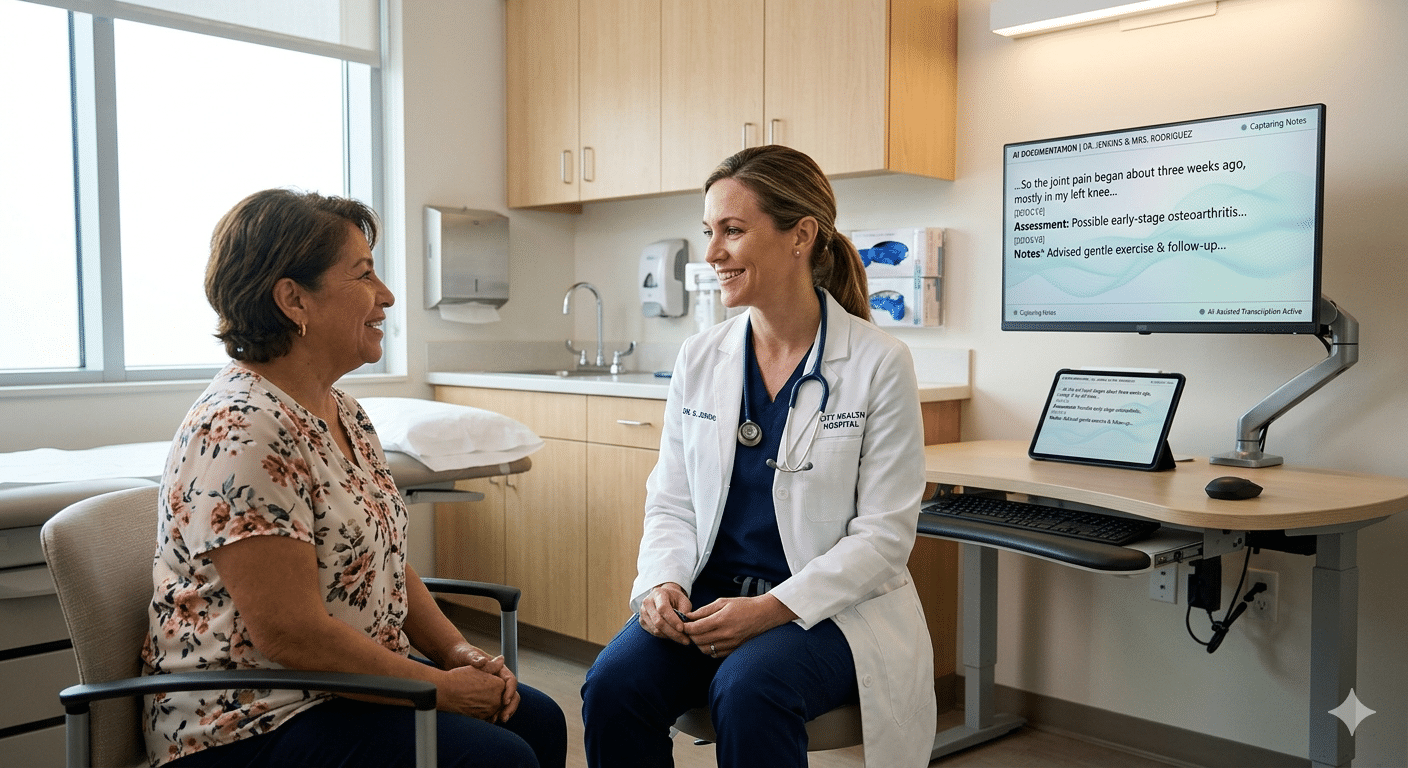
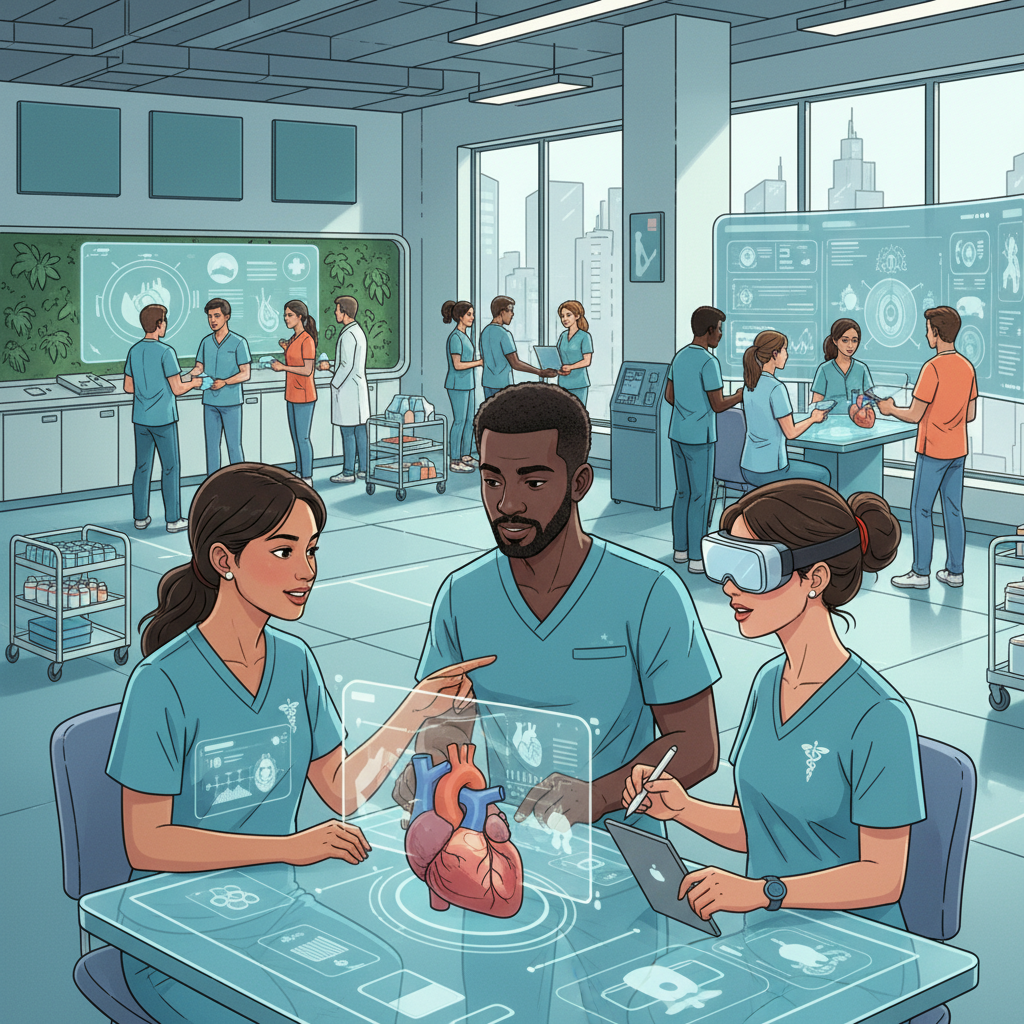
More fundamentally, residency programs are integrating AI training directly into curricula. This represents a philosophical shift: artificial intelligence is no longer viewed as a peripheral tool but as a core competency for clinical practice. Residents are learning not just to use AI-powered diagnostic tools but to critically evaluate algorithmic outputs, understand limitations, and integrate machine-generated insights into clinical decision-making. This educational evolution anticipates a practice environment where human expertise and computational capabilities are deeply intertwined.
The integration of AI training into medical residency curricula signals a fundamental redefinition of clinical competency. Tomorrow’s physicians must be fluent in both traditional clinical reasoning and the critical evaluation of algorithmic decision support—a dual literacy that will define modern practice.
Equally significant is the shift toward competency-based advancement and flexible scheduling. These structural changes acknowledge that rigid, time-based training models contribute to burnout while potentially extending training for those who need additional development. By allowing residents to progress based on demonstrated capability rather than calendar milestones, programs create pathways that are both more humane and more aligned with actual skill acquisition.
Health Systems Invest in Dual Priorities
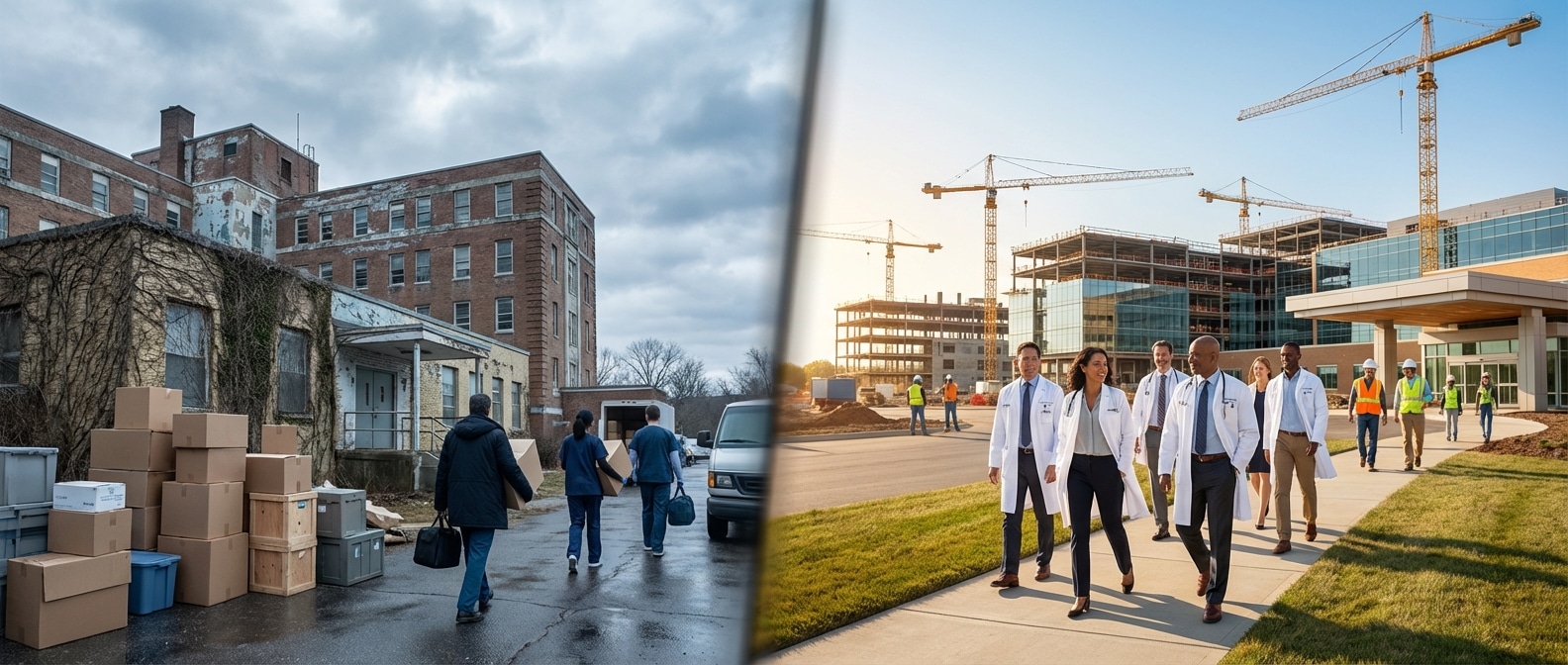
While training programs evolve, health systems are making parallel investments that reflect similar priorities: technological capability and human sustainability. The continued consolidation among healthcare organizations is partly driven by the capital requirements for AI and automation infrastructure. Smaller systems struggle to make the substantial investments necessary for advanced technologies, creating pressure toward merger and acquisition activity that promises economies of scale.
Yet technology investments are not displacing attention to workforce well-being—instead, organizations are pursuing both simultaneously. The renewed focus on clinician well-being amid persistent burnout reflects growing evidence that technology alone cannot solve workforce challenges if the practice environment remains unsustainable. Health systems are implementing comprehensive wellness programs, adjusting scheduling practices, and redesigning workflows to reduce administrative burden. These initiatives recognize that retention may be as critical as recruitment in addressing workforce shortages.
The growing role of advanced practice providers represents another strategic response to physician shortages. Nurse practitioners, physician assistants, and other APPs are assuming expanded responsibilities, particularly in primary care and specialty areas with acute shortages. This workforce diversification requires careful attention to scope of practice, supervision models, and team-based care structures—but it offers a pragmatic pathway to expanding access while physician supply catches up to demand.
Value-Based Care and Workforce Implications
The accelerating shift toward value-based care models carries profound implications for workforce strategy. Fee-for-service reimbursement historically incentivized volume and productivity metrics that contributed to clinician burnout. Value-based arrangements, by contrast, create financial incentives for outcomes, care coordination, and preventive services—activities that may align more naturally with why many clinicians entered healthcare.
This transition requires different skills and different team structures. Population health management, care navigation, and chronic disease coordination demand collaborative models where physicians work alongside nurses, social workers, data analysts, and community health workers. For training programs, this means preparing residents for team leadership rather than autonomous practice. For health systems, it means recruiting diverse professionals and creating cultures of genuine interdisciplinary collaboration.
Value-based care models are reshaping workforce requirements beyond clinical skills. Success increasingly depends on competencies in data interpretation, team coordination, and population health—capabilities that traditional training models have historically underemphasized.
The technology investments health systems are making in AI and automation directly support value-based care objectives. Predictive analytics identify high-risk patients, algorithmic tools optimize care pathways, and automated systems handle documentation and administrative tasks. When deployed thoughtfully, these technologies can free clinician time for the complex, relational aspects of care that both improve outcomes and provide professional satisfaction.
Implications for Healthcare Organizations and Workforce Development
The convergence of training reform and organizational strategy creates both opportunities and imperatives for healthcare stakeholders. Organizations must recognize that workforce challenges cannot be solved through recruitment alone—the pipeline itself is being redesigned, and practice environments must evolve to receive clinicians trained for different models of care. This means investing in technology infrastructure, certainly, but also in team structures, workflow redesign, and cultural transformation that supports both human and artificial intelligence.
For medical education, the challenge is ensuring that training reforms prepare residents for practice realities while avoiding the trap of simply adding requirements to already intensive programs. AI competency, mental health literacy, team leadership, and population health skills must be integrated thoughtfully, potentially requiring difficult decisions about what traditional content receives less emphasis.
The role of specialized platforms becomes increasingly important in this evolving landscape. As healthcare organizations compete for talent in a constrained market while simultaneously seeking clinicians with new competency profiles, AI-powered matching between candidates and opportunities can improve efficiency and fit. Organizations need clinicians comfortable with technology-augmented practice; clinicians need environments that support sustainable careers—intelligent recruitment tools can facilitate these matches at scale.
Looking forward, the healthcare workforce of 2030 will likely be more diverse in composition, more technologically fluent, and practicing in more varied settings than today. The investments being made now in training reform, technology infrastructure, and clinician well-being will determine whether healthcare successfully navigates this transition or experiences continued crisis. The encouraging signal is that reform efforts are addressing structural issues rather than applying temporary fixes—suggesting an industry finally grappling seriously with workforce sustainability.
Sources
Top healthcare provider trends in 2026 – Healthcare Dive
10 medical residency trends – Becker’s Hospital Review