Why Regional Workforce Development Matters Now
Healthcare organizations across the United States are rethinking their recruitment strategies. After years of relying on traveling clinicians, national recruiting campaigns, and competitive salary wars, a different model is gaining traction: the “grow your own” approach. From southeastern North Carolina to northwest Georgia, regional communities are investing in homegrown talent pipelines that train local residents for healthcare careers—and the implications extend far beyond filling immediate vacancies.
This shift represents more than a tactical response to staffing shortages—it reflects a broader evolution in healthcare workforce planning and labor market strategy. It signals a fundamental reconsideration of how healthcare systems build sustainable workforces in an era of persistent turnover and escalating labor costs. For healthcare recruiters and job seekers alike, understanding this model offers insight into where the industry is heading and what skills will be valued in the years ahead.
The Community-Rooted Talent Strategy
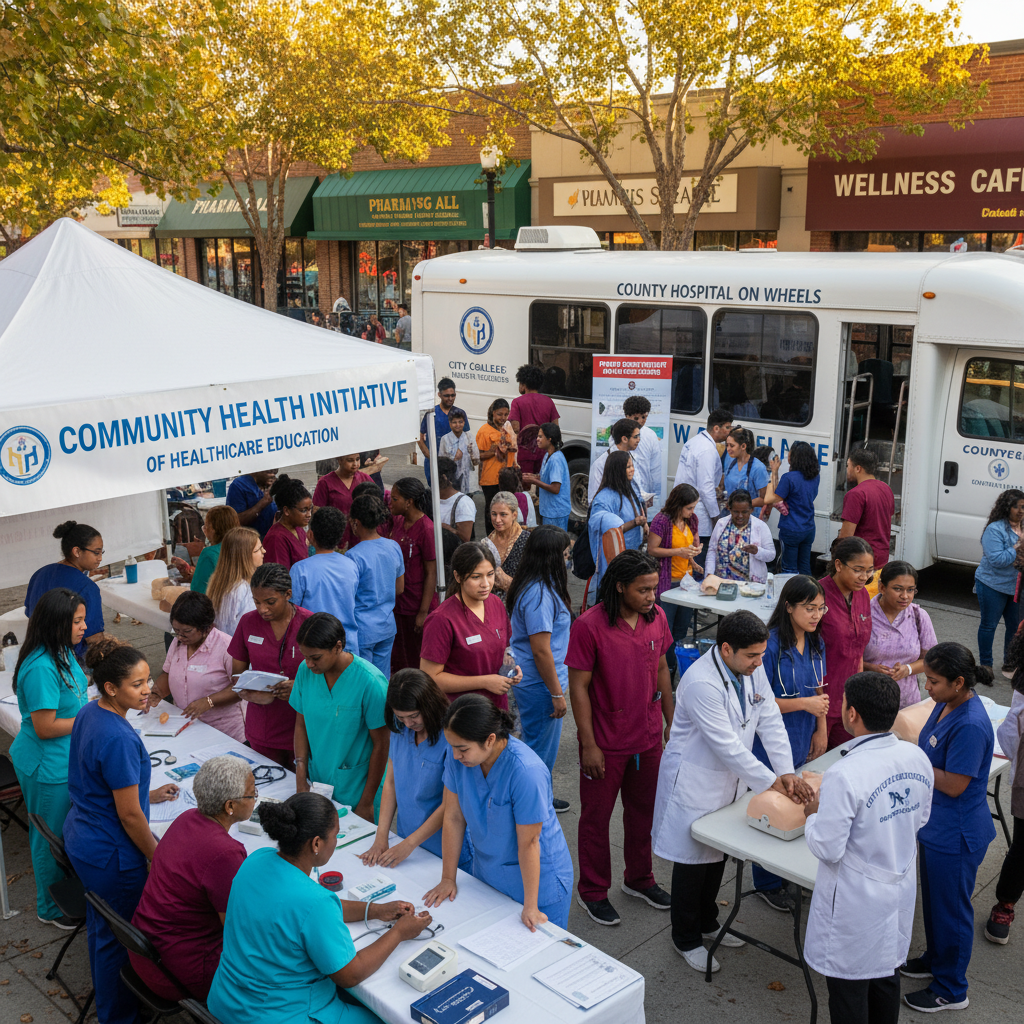
The logic behind regional workforce development is straightforward: people with existing ties to a community are more likely to remain there long-term. Southeastern North Carolina’s initiative exemplifies this principle, with regional leaders investing in programs that span the healthcare credential spectrum—from medical assistant certifications to accelerated nursing degrees and healthcare apprenticeships. The strategy deliberately targets local residents who already have family, social, and economic connections to the area.
This approach contrasts sharply with traditional healthcare recruiting, which often involves attracting candidates from other regions through sign-on bonuses, relocation packages, and premium compensation. While these tactics can fill positions quickly, they don’t address the underlying retention challenge. Workers recruited from outside the region may leave just as quickly when another opportunity arises, perpetuating a cycle of turnover that drains organizational resources and disrupts patient care continuity.
The “grow your own” model inverts traditional healthcare recruiting by prioritizing retention from the outset. Rather than attracting external candidates who may leave, communities invest in residents with existing roots—a strategy that addresses both immediate staffing needs and long-term workforce stability simultaneously.
Multi-Institutional Collaboration as Infrastructure
What distinguishes these regional initiatives from isolated training programs is their collaborative architecture. In northwest Georgia, the partnership structure brings together local school systems, technical colleges, and hospitals to create integrated pathways from secondary education to employment. This isn’t simply a matter of hospitals offering scholarships or schools adding healthcare courses—it’s a coordinated ecosystem where each institution plays a complementary role.
Dual enrollment courses allow high school students to begin accumulating college credits in healthcare fields before graduation. Clinical rotations provide hands-on experience in actual healthcare settings, giving students realistic exposure to various roles and specializations. Scholarship opportunities remove financial barriers that might otherwise prevent capable students from pursuing healthcare careers. Together, these elements create a continuous pathway that guides interested students from initial exposure through credential completion to employment.
For healthcare organizations, this collaborative model offers advantages beyond talent acquisition. By participating in curriculum development and providing clinical training sites, hospitals can help shape the competencies and professional values of future employees. This early involvement allows organizations to identify promising candidates years before they enter the job market and to cultivate relationships that may lead to long-term employment commitments.
The Economics of Workforce Stability
The financial calculus behind these initiatives merits examination. Regional workforce development requires upfront investment—funding for educational programs, staff time for mentoring and supervision, and coordination costs across multiple institutions. However, these costs must be weighed against the expenses associated with workforce instability.
Traveling nurses and temporary staffing solutions, while necessary stopgaps during acute shortages, come with premium price tags that can strain healthcare budgets. Beyond direct compensation costs, high turnover creates hidden expenses: orientation and onboarding time, reduced team cohesion, increased error rates during transition periods, and the administrative burden of constant recruiting. Healthcare leaders in both North Carolina and Georgia explicitly cite reducing reliance on temporary staffing as a goal of their workforce development efforts.
Moreover, workforce instability affects organizational capacity to plan and execute long-term strategic initiatives. When healthcare systems cannot predict staffing levels or must continuously divert resources to recruiting, they struggle to focus on quality improvement, service expansion, or innovation. A stable, locally rooted workforce provides the foundation for sustainable organizational development.
Workforce development partnerships shift healthcare organizations from reactive recruiting to proactive talent cultivation. This transition requires patience and investment, but it transforms staffing from a perpetual crisis into a manageable strategic function—with measurable impacts on both budgets and care quality.
Implications for Healthcare Recruiting and Career Development
The proliferation of regional workforce development models carries significant implications for both healthcare employers and job seekers. For recruiters and hiring managers, these initiatives suggest that effective talent acquisition increasingly depends on community engagement and long-term relationship building rather than transactional recruiting tactics. Organizations that invest in local education partnerships position themselves as employers of choice within their communities, gaining access to talent pipelines that competitors cannot easily replicate.
For individuals considering healthcare careers, these programs offer structured pathways that reduce financial risk and provide clear progression routes. The combination of scholarships, dual enrollment, and guaranteed clinical experience makes healthcare careers more accessible to people who might otherwise face barriers to entry. Additionally, early exposure to various healthcare roles helps students make informed decisions about specializations before committing to lengthy and expensive training programs.
The model also has implications for career mobility and professional development. While growing local talent pipelines may reduce geographic mobility in some respects—since participants are specifically recruited from and expected to remain in particular communities—it can enhance vertical mobility by creating clear advancement pathways within regional healthcare systems. Organizations invested in workforce development have strong incentives to retain their homegrown talent through opportunities for continuing education, specialization, and leadership development.
For platforms which connect healthcare professionals with opportunities through AI-powered matching, understanding these regional dynamics is essential. Job seekers who have participated in local workforce development programs may prioritize employers within their regions, while healthcare organizations with established training partnerships may seek candidates with specific locally developed competencies. Recognizing these preferences and partnerships can improve matching efficiency and employment outcomes.
Scaling a Sustainable Model
The examples from North Carolina and Georgia demonstrate that the “grow your own” approach is viable across different regional contexts. However, questions remain about scalability and broader applicability. Rural and underserved areas may face particular challenges in developing sufficient educational infrastructure or attracting enough students to healthcare pathways. Urban markets with multiple competing healthcare systems may struggle with coordination and free-rider problems—why should one organization invest in training if competitors can simply recruit away the graduates?
Despite these challenges, the fundamental logic of community-rooted workforce development appears sound. Healthcare is inherently local—patients need care where they live, and most healthcare work cannot be performed remotely. Building workforces from within the communities they serve aligns talent development with service delivery in ways that national recruiting strategies cannot match. As healthcare organizations continue to grapple with persistent staffing challenges, expect to see more regions adopting and adapting this model to their specific circumstances.
The shift toward regional workforce development doesn’t eliminate the need for traditional recruiting, but it does suggest that the most successful healthcare organizations will be those that balance immediate hiring needs with long-term talent cultivation. For both employers and job seekers, understanding and engaging with these local partnerships may become as important as navigating the national job market.
Sources
Southeastern North Carolina Wants to Grow Its Own Health Care Workforce – City View NC
Regional Education, Healthcare Providers Collaborate on Workforce Development – Dalton Citizen