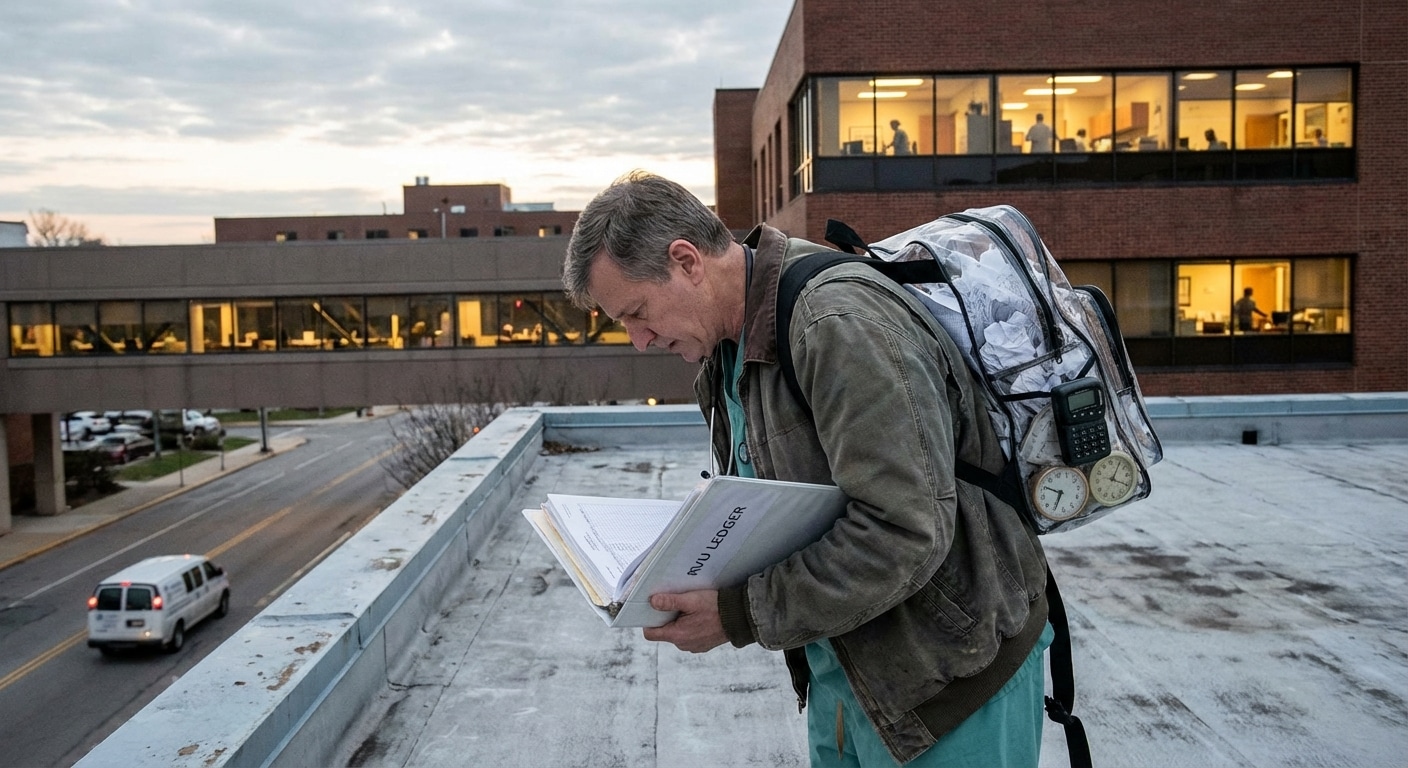
Why Primary Care’s Perfect Storm Demands New Solutions
American primary care stands at a critical inflection point. The confluence of physician shortages, escalating burnout rates, administrative overload, and now drug supply chain disruptions has created a crisis that threatens the foundation of the healthcare system. Into this void, artificial intelligence and virtual-first care models are emerging not as futuristic possibilities but as present-day interventions. The question is no longer whether technology will play a role in primary care delivery, but rather how extensively—and whether the trade-offs are acceptable.
The numbers paint a stark picture. Primary care physicians are working longer hours while seeing more patients, yet access gaps continue to widen, particularly in rural and underserved urban communities where patients may wait weeks or months for appointments. Meanwhile, the physicians who remain in practice report feeling overwhelmed by electronic health record requirements and administrative tasks that consume time once devoted to patient care. This environment has proven fertile ground for technology companies and health systems experimenting with AI-powered diagnostic tools, chatbots, and virtual-first care models that promise to extend physician reach and accelerate access.
The AI Proposition: Triage, Diagnosis, and Delegation
The emerging model for AI in primary care centers on stratification and efficiency. Virtual-first platforms are deploying AI-powered chatbots and diagnostic algorithms to handle initial patient interactions—triaging symptoms, answering routine health questions, and making preliminary assessments before escalating complex cases to human physicians. Proponents argue this approach allows overworked doctors to focus their expertise where it matters most, while technology handles the more straightforward queries that consume disproportionate amounts of clinical time.
The appeal is obvious in a system where access has become the limiting factor. Patients in underserved areas who might otherwise go without care could theoretically receive immediate guidance through an AI interface, with human oversight reserved for situations requiring nuanced judgment or hands-on examination. For health systems struggling to recruit physicians to rural locations, virtual-first models offer a way to extend urban-based providers’ reach across geographic barriers.
As primary care physicians face mounting administrative burdens and longer hours, AI tools are being positioned not as replacements but as force multipliers—yet this framing obscures deeper questions about what gets lost when algorithms mediate the doctor-patient relationship and whether efficiency gains justify the erosion of continuity and human connection.
Yet this efficiency-driven logic confronts a fundamental tension. Primary care has historically been defined by longitudinal relationships, contextual understanding of patients’ lives, and the ability to detect subtle patterns that emerge only through sustained engagement. These qualities resist algorithmic replication. An AI may excel at pattern matching within defined parameters, but struggles with the ambiguity and social complexity that characterize much of primary care practice—the patient whose symptoms reflect domestic stress rather than organic disease, the medication non-adherence rooted in cost rather than forgetfulness, the constellation of vague complaints that an experienced clinician recognizes as depression.
Compounding Pressures: When Technology Meets Material Constraints
The introduction of AI-assisted care is occurring against a backdrop of challenges that technology cannot address. Drug shortages now affect multiple categories including antibiotics, ADHD medications, and common generics, forcing primary care physicians to prescribe second-choice medications or delay treatment while waiting for preferred drugs to become available. This reality introduces a layer of complexity that undermines the promise of streamlined, algorithm-driven care.
A diagnostic AI may correctly identify a patient’s condition and recommend first-line treatment, but if that medication is unavailable, the physician must still engage in the time-consuming work of finding alternatives, considering contraindications, and explaining changes to patients. The survey data revealing that most primary care physicians believe drug shortages hurt care quality underscores how supply chain failures create friction that no amount of diagnostic efficiency can eliminate. Technology may accelerate the front end of care delivery, but it cannot conjure medications that don’t exist in the supply chain.
This disconnect highlights a broader concern: that AI solutions are being deployed to address symptoms of system dysfunction rather than root causes. Physician shortages stem from inadequate investment in primary care training, poor reimbursement relative to specialties, and unsustainable working conditions. Burnout reflects administrative bloat and misaligned incentives that prioritize billing over care. Drug shortages result from manufacturing consolidation and just-in-time supply chains optimized for profit rather than resilience. AI may help physicians work faster, but it doesn’t resolve the structural problems that created the crisis.
The Human Connection Question
Critics of AI-first primary care models emphasize what they see as an irreducible need for human connection in medical care. This objection goes beyond nostalgia or technophobia to touch on evidence about therapeutic relationships and diagnostic accuracy. Studies have consistently shown that patients who have continuity with a primary care provider experience better outcomes, higher satisfaction, and more appropriate utilization of healthcare services. The relationship itself has therapeutic value—patients are more likely to adhere to treatment plans, disclose sensitive information, and engage in preventive care when they trust their provider.
The risk is not that AI will fail to replicate physician expertise in straightforward cases, but that normalizing algorithm-mediated care will further erode the already fragile infrastructure of relationship-based primary care, making it a luxury good available only to those who can afford concierge practices while everyone else receives chatbot triage.
There’s also the diagnostic concern. While AI excels at pattern recognition within training data, it can miss atypical presentations or rare conditions that fall outside algorithmic parameters. Experienced primary care physicians often describe a gestalt sense—an intuitive recognition that something is wrong even when individual data points appear normal. This clinical judgment develops through years of practice and depends on subtle cues including body language, affect, and the patient’s own narrative about their illness. Whether AI can develop analogous capabilities remains an open question, and the consequences of diagnostic errors in a virtual-first model may not become apparent until significant harm has occurred.
Implications for Healthcare Workforce and Delivery
The trajectory of AI adoption in primary care will have profound implications for healthcare workforce planning and delivery models. If virtual-first, AI-assisted care becomes the norm for routine primary care, it may accelerate the bifurcation already underway in American medicine—with high-touch, relationship-based care available to affluent patients willing to pay for concierge practices, while everyone else receives algorithm-mediated services optimized for efficiency rather than continuity.
For healthcare recruiters and workforce planners, including platforms like PhysEmp that connect physicians with opportunities, these trends raise important questions about future demand. Will health systems need fewer primary care physicians if AI handles initial triage and routine queries? Or will they need different types of physicians—those comfortable working within technology-augmented workflows and supervising AI-generated recommendations? The role of nurse practitioners and physician assistants may also evolve, potentially serving as the human interface in AI-first models while physicians provide oversight and handle complex cases.
The answers will depend partly on regulatory frameworks that are still taking shape. How much autonomy will AI diagnostic tools be granted? What level of physician oversight will be required? How will liability be allocated when AI-assisted diagnoses prove incorrect? These policy decisions will determine whether AI serves as a genuine force multiplier for overwhelmed physicians or simply as a cost-cutting measure that degrades care quality while shifting risk onto practitioners.
Ultimately, the primary care crisis demands solutions that address root causes rather than simply automating existing dysfunction. AI and virtual care models may play valuable roles, but they cannot substitute for adequate investment in primary care infrastructure, sustainable physician workloads, and supply chain resilience. The challenge is to deploy technology in ways that genuinely support physicians and patients rather than simply extracting more productivity from an already strained system. As these tools become more prevalent, maintaining focus on outcomes—not just efficiency metrics—will be essential to ensuring that innovation serves rather than undermines the core mission of primary care.
Sources
Your next primary care doctor could be online only, accessed through an AI tool – NPR
Getting in Front of Big Problems: Medscape the State of Primary Care in the US Report 2026 – Medscape
Most primary care physicians say drug shortages hurt care quality: Survey – Becker’s Hospital Review