
The physician recruitment crisis isn’t slowing down. With projections showing an 86,000 physician shortage by 2036 andand extended time-to-fill across key specialties, healthcare organizations must rethink their approach to physician recruiting and staffing.
The most successful physician recruiters in 2026 won’t be the ones who go all-in on automation or cling exclusively to old-school methods. They’ll be the ones who strategically blend both.
Why AI Is Becoming Essential
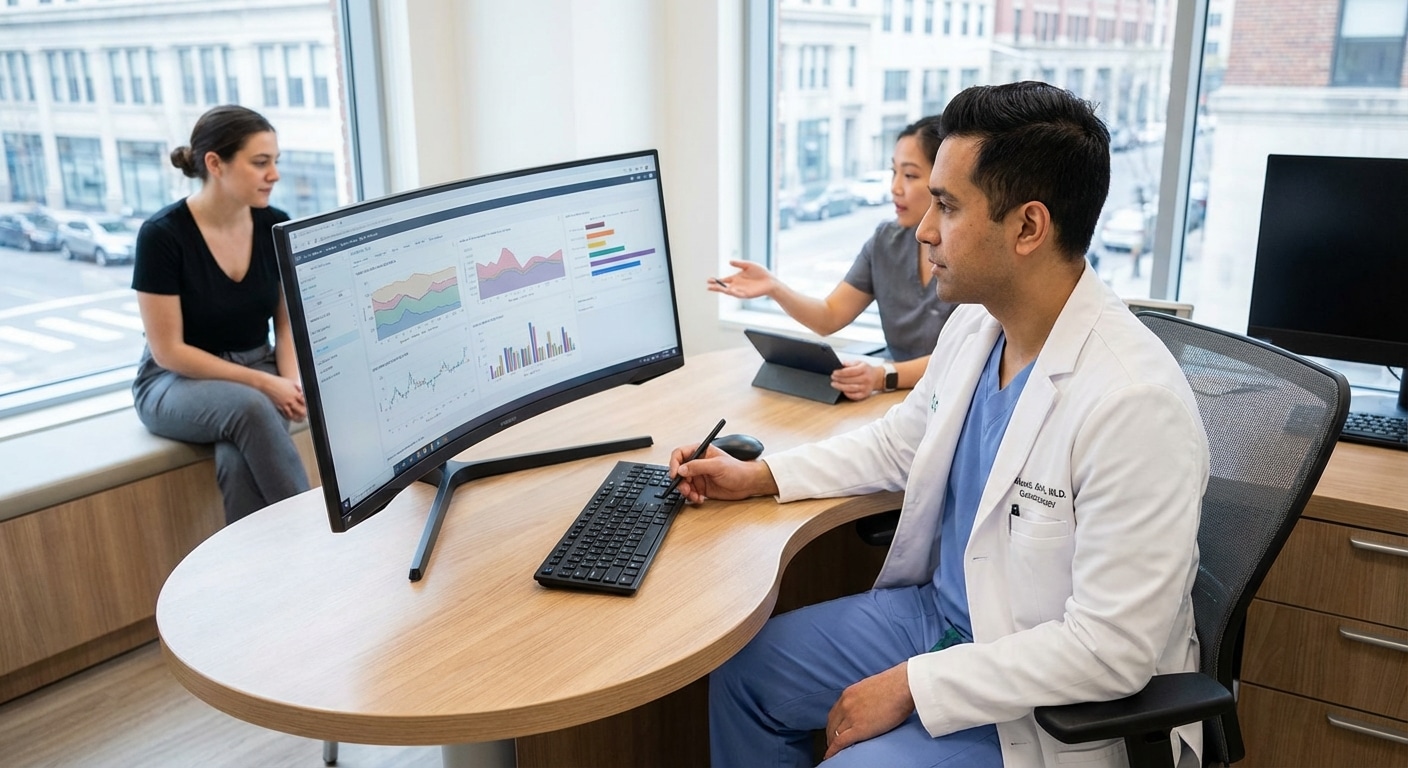
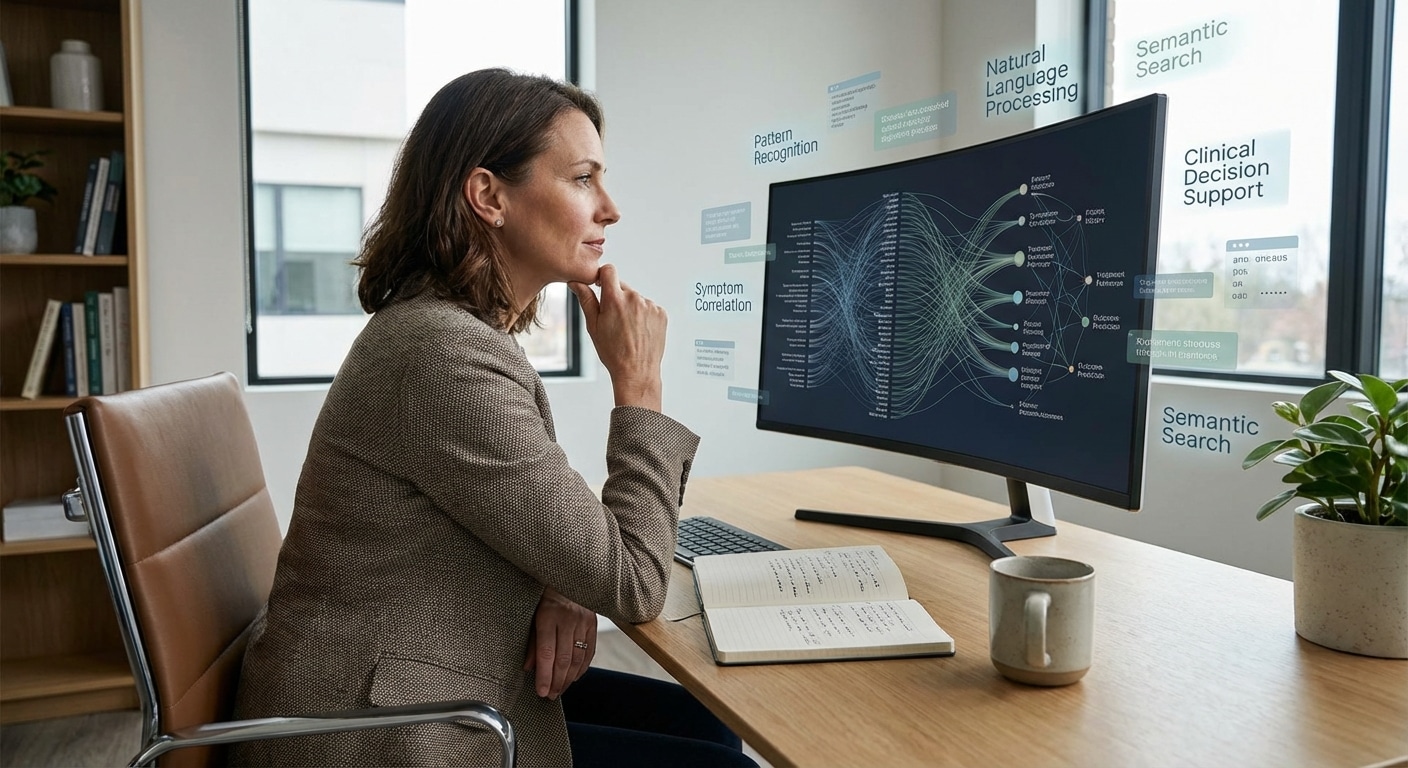
Automation That Saves Time: AI-powered platforms can scan CVs in seconds, identifying qualified candidates based on specialty certifications and experience. What used to take days now happens instantaneously.
Predictive Analytics: AI analyzes historical data to predict candidate success, identify which recruitment channels work best, and forecast workforce needs before shortages become critical.
Expanding Your Reach: AI-powered platforms identify passive talent pools that traditional methods miss—physicians who might be open to opportunities but aren’t actively searching. Critical when final-year residents receive over 100 recruitment contacts.
Consistency in Screening: AI provides fair, consistent evaluation criteria across all candidates, reducing unconscious bias in initial assessments.
The Enduring Value of Traditional Recruitment
Despite AI’s capabilities, traditional recruitment remains essential because hiring physicians isn’t just about matching qualifications—it’s about matching people to organizations.
Human Judgment: Cultural fit, motivation, communication style, leadership potential—these nuanced qualities require human evaluation. Can this cardiologist collaborate effectively? Will this physician thrive in a rural setting? These questions demand recruiter intuition and experience.
Relationships Build Trust: Physicians evaluate whether they trust you and your organization. Networking at conferences, hosting residency events, and personalized candidate experiences create human connections AI cannot replicate. When physicians weigh multiple offers, relationships often decide.
Traditional Advertising Drives Awareness: Placements in specialty journals, medical association sponsorships, and platforms like Doximity (where 80% of U.S. physicians are active) reinforce employer brands in trusted ways.
Why Hybrid Models Win
Efficiency Meets Empathy: AI filters thousands of candidates to a qualified shortlist. Human recruiters then provide personalized engagement—answering questions about call schedules, discussing spousal employment, arranging site visits. This delivers both speed and connection.
Scale Meets Strategy: Traditional employer branding builds broad awareness. AI analytics optimize targeting, personalizing outreach based on specialty and career stage. You’re no longer choosing between wide nets or precision—you’re doing both.
Better Outcomes: Research shows hybrid recruitment models that integrate AI with human input outperform single-method approaches, enabling faster placements and better long-term retention.
Practical Steps to Build Your Hybrid Strategy
Use AI for Screening, Humans for Engagement: Deploy AI for initial resume review and segmentation. Then shift to personalized outreach—phone calls, customized emails, video messages from department leaders.
Layer Traditional Branding with AI-Powered Targeting: Continue investing in employer branding through traditional channels—specialty journals, CME events, physician networking platforms, video testimonials. Use AI job-matching to ensure the right candidates see opportunities at the right time.
Maintain Human Oversight: AI suggests excellent technical matches, but humans verify cultural and clinical fit. When AI identifies a promising neurologist, your recruiter assesses whether their practice philosophy aligns with your health system’s approach.
Create Feedback Loops: When recruiters identify that AI consistently recommends candidates lacking specific qualifications, adjust AI parameters. When analytics reveal certain residency programs yield higher retention, focus traditional networking there.
What This Means for 2026 and Beyond
AI Will Advance—Human Insight Remains Irreplaceable: As AI handles more complex tasks, the core of physician recruitment—understanding what makes someone tick, building trust, ensuring cultural alignment—will always require human expertise.
Hybrid Strategies Attract and Retain: Organizations using integrated approaches report not just faster hiring but better outcomes. You efficiently identify qualified candidates while providing exceptional experiences.
The Competitive Advantage Goes to the Adaptive: Health systems clinging to traditional methods struggle with inefficiency. Those relying solely on AI lose candidates to competitors providing better human connection. Winners strategically blend both.
The future of physician recruitment isn’t about choosing between AI and traditional methods. It’s about recognizing that together, they create something more powerful than either could achieve alone.