
Why This Matters Now
The 2026 best jobs rankings from U.S. News & World Report and Indeed have arrived with a clear message: healthcare careers are not just surviving in today’s rapidly evolving economy—they’re thriving. Physician assistants, nurse practitioners, physicians, and other healthcare roles dominate the top positions, distinguished by competitive six-figure salaries, robust job growth projections, and a quality increasingly rare in modern employment: relative immunity to AI disruption.
For healthcare recruiters and job seekers alike, these rankings offer more than validation. They signal a fundamental shift in how we evaluate career stability and value in an era where artificial intelligence threatens to reshape entire industries. Understanding why healthcare roles command these top positions—and what that means for workforce planning and career decisions—has never been more critical.
The Trifecta Driving Healthcare’s Dominance
Healthcare’s prominence across multiple best jobs rankings isn’t coincidental. Three converging factors create an unprecedented value proposition for these roles.
First, compensation has reached new heights. The 2026 rankings reveal that top healthcare positions now consistently offer median salaries exceeding $100,000, reflecting the market’s response to persistent workforce shortages. This isn’t merely about paying more to fill positions—it represents a fundamental recalibration of how healthcare organizations value clinical expertise in an environment where demand consistently outpaces supply.
Second, job security in healthcare has strengthened considerably. The aging U.S. population ensures continued growth in healthcare utilization, while workforce shortages show no signs of abating. Unlike industries vulnerable to economic cycles or technological disruption, healthcare demand remains relatively inelastic. People require medical care regardless of broader economic conditions, creating a stability that few other sectors can match.
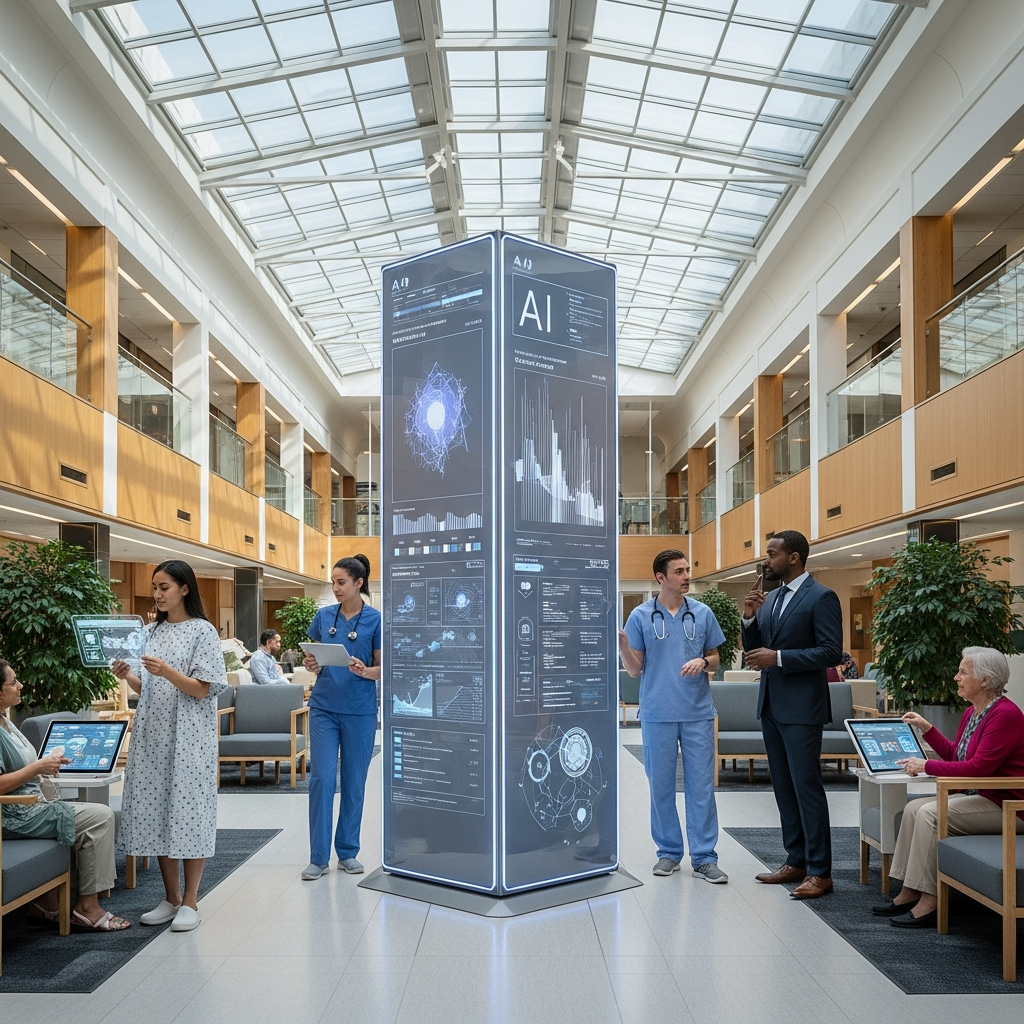
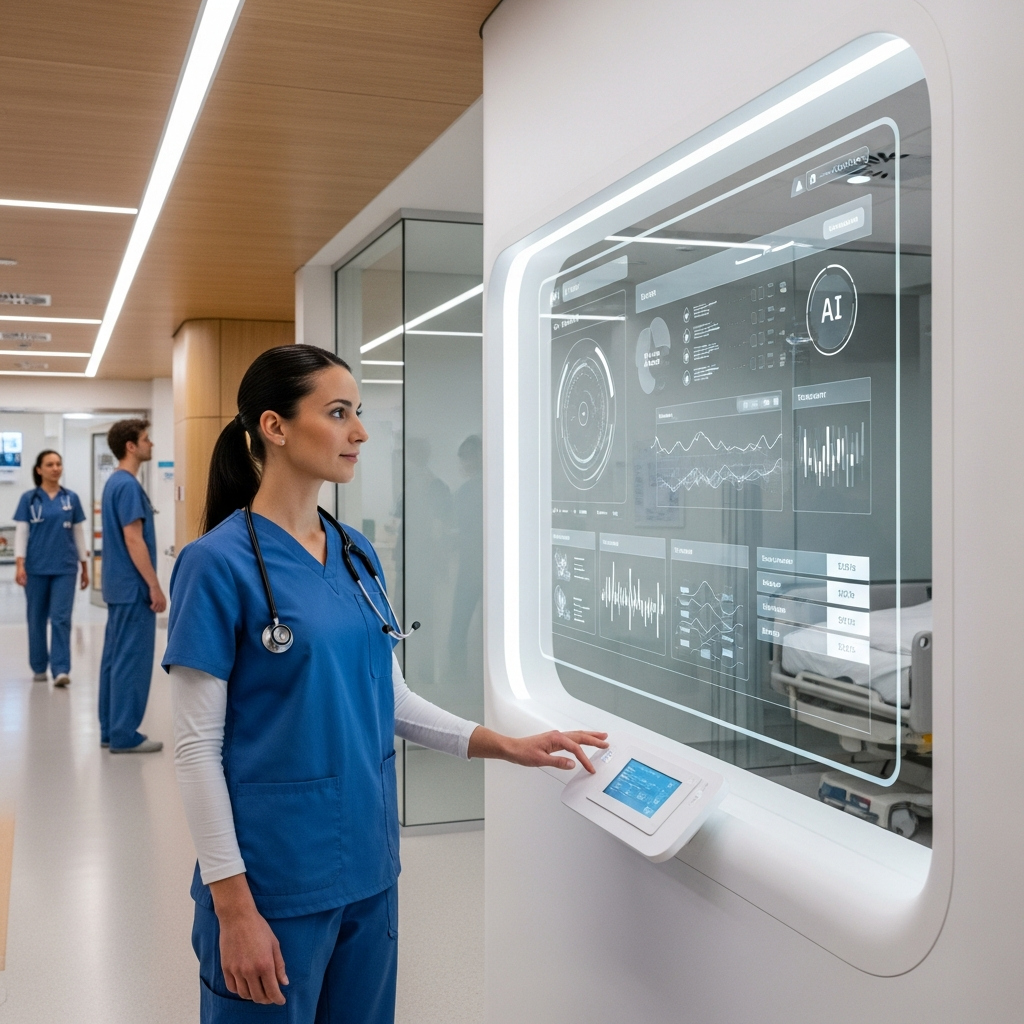
Third, and perhaps most significant for long-term career planning, healthcare roles offer protection against automation. While AI makes inroads across white-collar professions, clinical healthcare positions require human judgment, empathy, and hands-on care that cannot be replicated by algorithms. This AI-resistance isn’t a temporary advantage—it’s embedded in the fundamental nature of patient care.
Healthcare roles now offer a unique trifecta rarely found in modern employment: six-figure earning potential, exceptional job security driven by demographic trends, and inherent protection against AI displacement. This combination explains why these positions dominate best jobs rankings and will likely continue to do so.
Physician Assistants and Nurse Practitioners: The Standout Performers
Within healthcare’s strong showing, advanced practice providers—particularly physician assistants and nurse practitioners—merit special attention. The PA profession secured the #2 healthcare job ranking for another consecutive year, reflecting what the American Academy of PAs describes as a compelling combination of job outlook, compensation, and work-life balance.
These mid-level provider roles have evolved from supporting positions to central pillars of healthcare delivery. Their prominence in the rankings reflects several strategic advantages. They offer clinical autonomy and diagnostic responsibility while typically maintaining more manageable schedules than physicians. They require less time and financial investment in education compared to medical school, yet command six-figure salaries. And critically, they’ve become essential to expanding access to care, particularly in primary care and underserved areas where physician shortages are most acute.
For healthcare recruiters, this ranking validation may complicate already competitive hiring landscapes. Organizations seeking to fill PA and NP positions face candidates increasingly aware of their market value and the profession’s upward trajectory. For job seekers considering healthcare careers, these roles represent an optimal balance: substantial earning potential, clinical fulfillment, and career stability without the decade-plus training timeline required for physicians.
The AI-Resistance Factor: A New Dimension of Job Security
Perhaps the most forward-looking insight from the 2026 rankings is the explicit recognition of AI-resistance as a career asset. As artificial intelligence automates tasks across industries—from legal research to financial analysis to software development—healthcare’s hands-on clinical roles stand apart.
This protection isn’t absolute. AI will certainly transform healthcare, enhancing diagnostic accuracy, streamlining administrative tasks, and supporting clinical decision-making. But the core functions of patient care—physical examination, procedure performance, empathetic communication, complex clinical judgment in ambiguous situations—remain fundamentally human endeavors.
The rankings suggest that career advisors and job seekers are beginning to weigh AI-vulnerability as seriously as traditional factors like salary and growth potential. For healthcare professionals, this represents a significant competitive advantage in the broader labor market. While colleagues in finance, law, or technology face uncertainty about which roles will survive the AI revolution, healthcare workers can plan careers with greater confidence in long-term viability.
For platforms like PhysEmp, which connects healthcare professionals with opportunities through AI-powered matching, this dynamic presents an interesting paradox: using AI to help professionals find roles that AI cannot replace. The technology enhances the job search process while the jobs themselves remain rooted in irreplaceable human skills.
As AI reshapes the employment landscape, healthcare careers offer a rare form of technological immunity. The human judgment, empathy, and hands-on care central to clinical roles cannot be automated, making healthcare one of the few sectors where professionals can build long-term careers without fear of algorithmic displacement.
Implications for Healthcare Recruiting and Workforce Planning
These rankings carry significant implications for healthcare organizations and recruiters. The public validation of healthcare careers as top employment choices will likely intensify already fierce competition for talent. When physician assistants, nurse practitioners, and physicians consistently rank among the best jobs in America, candidates gain leverage in negotiations and become more selective about opportunities.
Healthcare recruiters should anticipate several shifts. First, compensation expectations will continue rising as candidates internalize their market value. Organizations that lag behind market rates will struggle to compete. Second, work-life balance and organizational culture will become increasingly important differentiators. When multiple employers offer competitive salaries, candidates will choose based on schedule flexibility, autonomy, and workplace environment.
Third, recruiters must recognize that they’re competing not just with other healthcare organizations but with the broader perception of healthcare as a career path. As these rankings draw more people toward healthcare education and training, the pipeline will eventually strengthen—but that’s a long-term solution. In the near term, organizations must become more sophisticated in attracting and retaining existing professionals.
For job seekers, these rankings validate healthcare career choices while suggesting strategic considerations. Roles like PA and NP offer optimal combinations of compensation, lifestyle, and security. But the rankings also highlight the importance of specialization and continuous learning. As healthcare evolves, professionals who combine clinical expertise with adaptability and technological fluency will command the greatest opportunities.
Looking Ahead: Sustained Demand Meets Persistent Shortages
The factors driving healthcare’s dominance in best jobs rankings show no signs of weakening. The U.S. population continues aging, with Baby Boomers entering peak healthcare utilization years. Chronic disease prevalence rises alongside longevity. And workforce shortages persist across nearly all clinical roles, from primary care to specialized surgery.
This sustained demand, combined with AI-resistance and competitive compensation, suggests healthcare will continue commanding top positions in future rankings. For healthcare professionals and those considering entering the field, the outlook remains exceptionally strong. For recruiters and healthcare organizations, the challenge lies in developing increasingly sophisticated strategies to attract and retain talent in a market where candidates hold substantial power.
The 2026 rankings ultimately tell a story about value in modern employment. In an era of economic uncertainty and technological disruption, healthcare careers offer a rare combination of financial reward, job security, meaningful work, and protection against automation. That’s a value proposition few other fields can match—and one that will continue drawing talent to healthcare for years to come.
Sources
The best healthcare jobs in 2026, according to US News – Advisory Board
PA Again Named #2 Best Health Care Job in U.S. News & World Report Rankings – American Academy of PAs
2026’s top 10 jobs all boast $100k-plus median salaries: here’s the list – Axios
Jobs that are AI-proof lead US News rankings – WTOP