
Why Nursing Education Expansion Matters Now
The nursing shortage has reached a critical inflection point, prompting universities and organizations across the United States to take decisive action. From Missouri to Massachusetts, from Oklahoma to Virginia, educational institutions are not merely tweaking existing programs—they’re launching ambitious expansions that signal a fundamental shift in how America trains its healthcare workforce. These initiatives represent more than enrollment increases; they reflect strategic responses to a labor market crisis that has left hospitals understaffed and patient care compromised.
For healthcare recruiters and job seekers alike, these developments carry significant implications. The expansion of nursing education programs today will reshape the talent pipeline for years to come, influencing everything from regional workforce availability to competitive dynamics in healthcare hiring. Understanding these trends is essential for anyone navigating the healthcare employment landscape.
Geographic Targeting: Education Meets Local Need
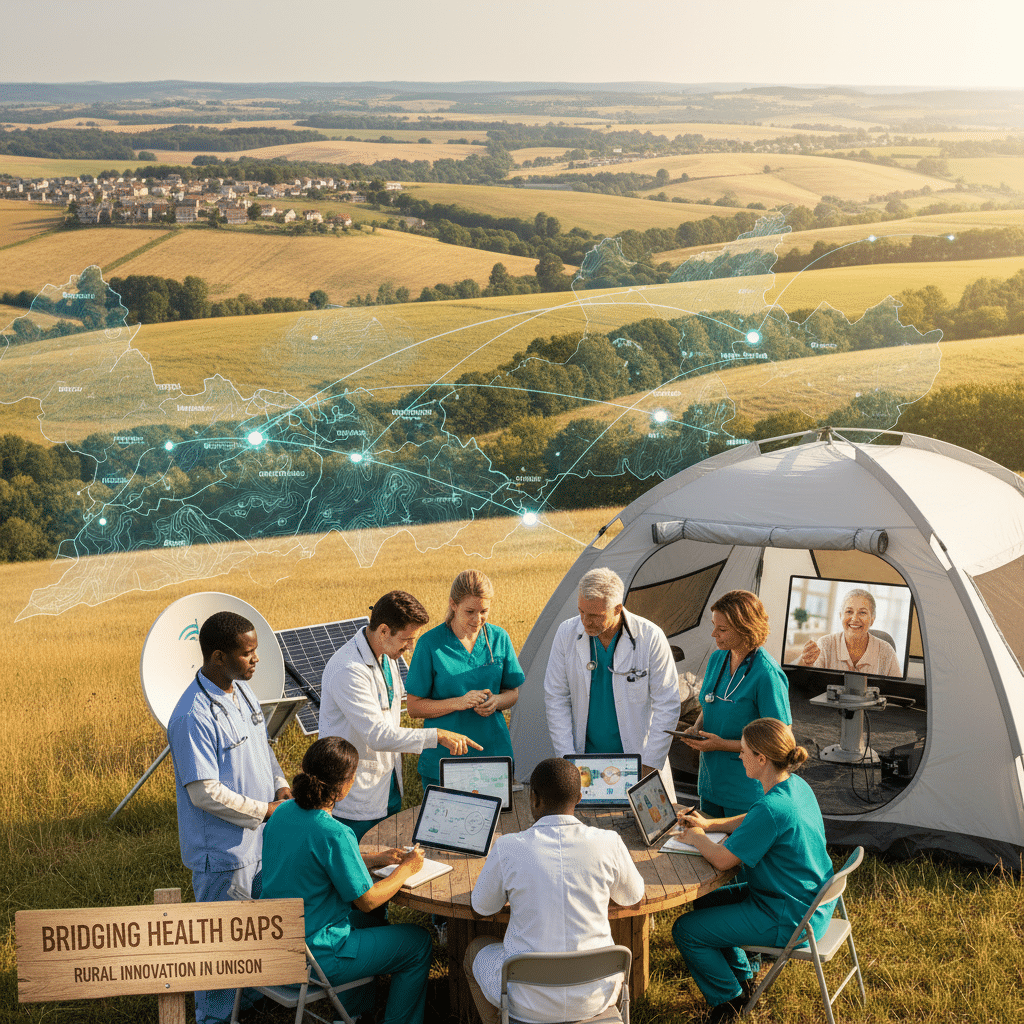
A striking pattern emerges across these nursing program expansions: institutions are increasingly tailoring education to specific geographic and demographic needs rather than pursuing generic growth. Missouri Southern State University’s expansion directly addresses regional nursing shortages in its service area, while Northeastern University’s Bouvé College of Health Sciences has taken an even more targeted approach by embedding its accelerated nursing program within the Fall River, Massachusetts community.
This embedded model represents a sophisticated understanding of workforce retention challenges. By training nurses within the communities they’ll serve, programs aim to create professional and personal ties that encourage graduates to remain local rather than migrate to higher-paying urban markets. The strategy acknowledges a fundamental truth about healthcare workforce planning: producing more nurses matters little if they don’t practice where they’re needed most.
The Cherokee Nation’s $30 million investment in a satellite nursing school partnership with the University of Oklahoma takes geographic targeting further by addressing the specific healthcare workforce needs of tribal communities. Native American populations have historically faced significant healthcare access challenges, and nursing shortages in these areas are often more acute than national averages. This initiative recognizes that addressing the nursing shortage requires not just more nurses, but more nurses in underserved communities.
Geographic targeting in nursing education reflects a maturation of workforce strategy: institutions now recognize that where nurses are trained significantly influences where they practice, making program location a critical variable in addressing regional healthcare staffing gaps.
Investment Scale and Institutional Commitment
The financial commitments behind these expansions reveal the seriousness with which stakeholders view the nursing shortage. The Cherokee Nation’s $30 million investment stands out not only for its size but for what it represents—a sovereign nation prioritizing healthcare workforce development as essential infrastructure. This level of investment suggests confidence that expanded nursing education will yield measurable returns in community health outcomes and economic development.
Meanwhile, universities like Missouri Southern, Mary Washington, and Northeastern are allocating resources for additional enrollment capacity, faculty, clinical placement sites, and educational infrastructure. These aren’t pilot programs or marginal adjustments; they’re substantial institutional commitments that will shape these universities’ identities and regional roles for decades.
For healthcare recruiters, these investment levels signal future supply increases in specific markets. Organizations planning long-term staffing strategies should map where major nursing program expansions are occurring, as these locations will likely see improved nurse availability within three to four years—the typical timeline from program expansion to graduate entry into the workforce.
Accelerated and Alternative Pathways
Northeastern’s accelerated nursing program highlights another trend: diversifying pathways into nursing to attract non-traditional candidates. Accelerated programs typically target individuals who already hold bachelor’s degrees in other fields, compressing nursing education into intensive 12-to-18-month formats. This approach expands the potential applicant pool beyond traditional college-age students to include career changers who bring valuable life experience and professional maturity.
The University of Mary Washington’s addition of new nursing program pathways similarly reflects recognition that one-size-fits-all education no longer meets workforce demands. Multiple entry points—traditional four-year programs, accelerated second-degree options, RN-to-BSN pathways, and others—allow institutions to capture diverse candidate pools and accommodate different life circumstances.
For job seekers considering nursing, these alternative pathways lower barriers to entry. Career professionals in other fields now have realistic options to transition into nursing without abandoning financial stability for four years. This flexibility makes nursing careers accessible to a broader demographic, potentially improving workforce diversity and bringing varied perspectives into patient care.
Accelerated and alternative nursing education pathways are reshaping who becomes a nurse, attracting career changers and non-traditional students who bring professional experience from other sectors into healthcare—a development that may enhance both workforce numbers and quality.
Implications for Healthcare Recruiting and Workforce Planning
These coordinated expansions across multiple states suggest the nursing shortage has reached a threshold where institutional responses are finally scaling to match the problem. For healthcare recruiters and hiring managers, several implications warrant attention.
First, the timeline matters. Nursing program expansions announced or implemented in 2025-2026 will begin producing graduates in 2028-2030 for traditional programs, or 2026-2027 for accelerated formats. Organizations facing immediate staffing crises cannot rely on these pipeline expansions alone; they must continue aggressive recruitment, retention initiatives, and potentially temporary staffing solutions to bridge the gap.
Second, regional variations will intensify before they improve. Areas with major program expansions may see relief sooner, while regions without similar educational investments could face worsening shortages as they compete for a limited national talent pool. Healthcare organizations in areas without expanding nursing programs should consider partnerships with educational institutions or investment in their own training initiatives.
Third, the embedded and community-focused models suggest that generic national recruitment strategies may become less effective. If programs successfully create local loyalty among graduates, healthcare organizations will need stronger regional employment brands and community ties to compete for talent. Platforms like PhysEmp that connect healthcare employers with qualified candidates will become increasingly valuable as competition for newly expanded cohorts of nursing graduates intensifies.
Finally, these expansions may shift competitive dynamics in healthcare recruiting. Organizations that establish early relationships with expanding programs—through clinical placement partnerships, scholarship programs, or direct recruitment initiatives—will gain preferential access to graduating cohorts. Healthcare HR leaders should proactively identify nursing programs in their regions undergoing expansion and develop strategic partnerships now to secure future talent pipelines.
The nursing shortage will not resolve quickly, but these educational expansions represent meaningful progress. For healthcare professionals navigating employment decisions and recruiters building long-term staffing strategies, understanding where and how nursing education is expanding provides crucial intelligence for planning the years ahead.
Sources
Missouri Southern expands nursing program to address regional shortage – MSN
Northeastern’s new nursing program ’embedded’ in Fall River community – Herald News
Cherokee Nation hoping to invest $30M in a new satellite nursing school with OU – KJRH
University of Mary Washington Adds New Nursing Program – Northern Virginia Magazine