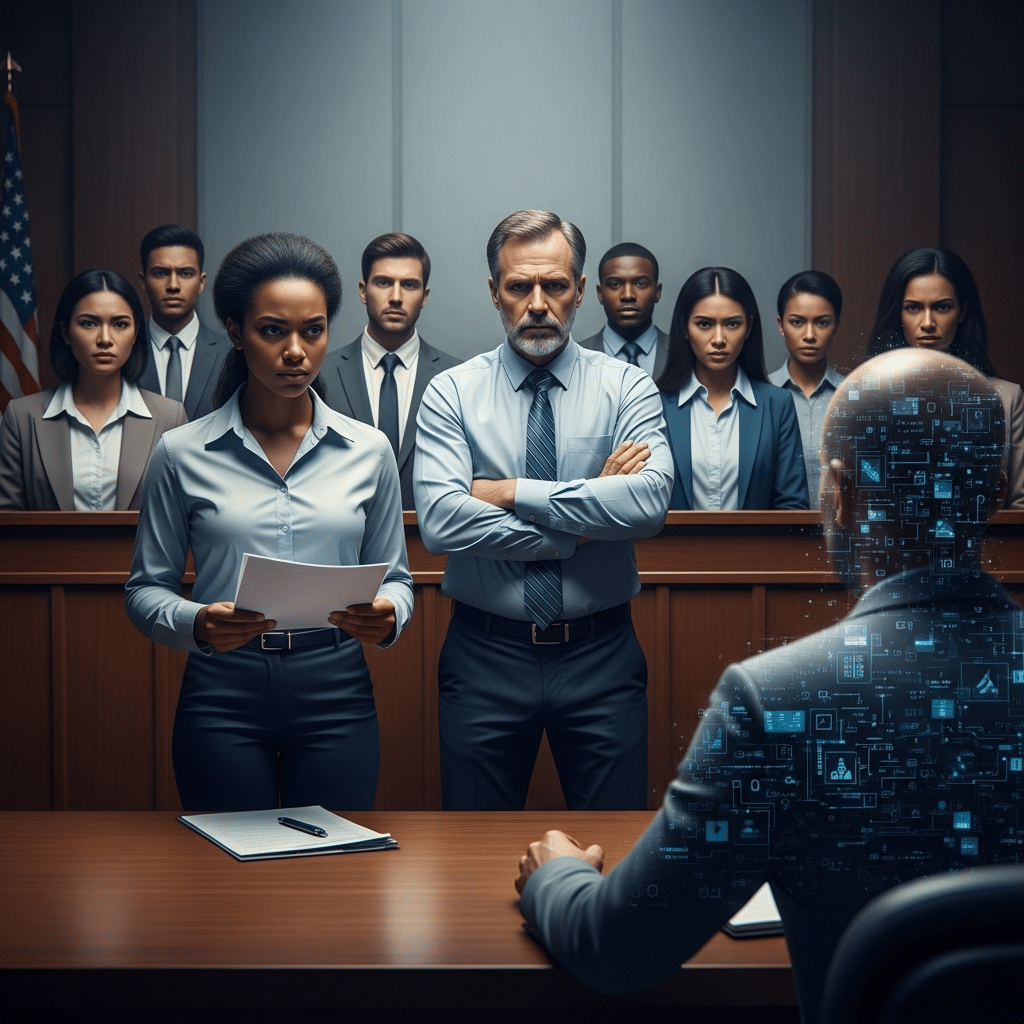
Why This Theme Matters Now
In an era where technology permeates every facet of life, the intersection of artificial intelligence and hiring practices has sparked intense debate. With AI recruitment tools gaining popularity, questions about their transparency, fairness, and ethical implications are becoming increasingly critical—reflecting broader accountability challenges in AI in healthcare. As hiring systems are thrust into the spotlight, legal challenges are mounting, underscoring the urgent need for reform in algorithmic hiring.
Algorithmic Decision-Making: A Legal Minefield
Recent reports highlight significant legal challenges faced by AI hiring systems. The lawsuits filed against companies like Eightfold AI suggest that more individuals are confronting the opaque nature of algorithmic hiring practices. Job seekers allege that these algorithms function as “black boxes, ” effectively filtering out qualified candidates without adequate transparency or justification. As courts begin to weigh in on these matters, the implications could reshape the landscape of employment practices, pushing towards more accountable AI technologies.
The Forbes analysis emphasizes how this rising wave of legal scrutiny aligns with emerging legislation aimed at ensuring fairness in hiring processes. The AI Revolution embraced algorithms for their efficiency in analyzing vast amounts of data. However, it appears regulators are recognizing the mounting demand for explainable AI and fairer algorithms. Jurisdictions are beginning to draft and implement policies that hold AI systems accountable for their decisions, prompting hiring companies to reassess their usage of these technologies.
Impacts on Job Applicants
The Invisibility of Algorithmic Bias
As detailed in articles from Newser and Futurism, job seekers are confronting an unknown enemy: algorithmic bias. Many applicants have found themselves on the receiving end of hiring decisions without any insight into why they were rejected. The backlash against these impersonal systems is not merely a result of frustration; it constitutes a growing awareness about systemic biases ingrained in AI hiring technologies.
As lawsuits gain traction, they signify a shift toward empowering candidates and demanding transparency in hiring practices.
The Ethical Reckoning for AI-Supported Hiring
The lawsuits not only highlight applicants’ dissatisfaction but also signify a broader ethical reckoning concerning AI in hiring. Companies leveraging AI technologies must now consider the potential ramifications of their tools—both legally and reputationally. An ethical framework is necessary to navigate the implications of bias, discrimination, and lack of transparency.
With an increasing number of job seekers questioning the integrity of automated systems, businesses may feel pressure to provide clearer rationales for hiring decisions. This could lead to significant reforms in AI systems, urging developers to focus on fairness and transparency.
Implications for the Healthcare Industry
In a sector as sensitive and impactful as healthcare, the implications of these legal battles may be expansive. Historically, healthcare recruitment has been challenged by a shortage of healthcare professionals; thus, the reliability and transparency of hiring tools become critical.
As the legal landscape surrounding algorithmic hiring continues to evolve, comparative studies of successful AI integrations in hiring may also become critical. Health organizations could learn a great deal from industries facing similar scrutiny, promoting fair, transparent hiring practices, thus enhancing their recruitment systems and minimizing legal risks.
Conclusion
The rising legal landscape concerning AI hiring systems illustrates that the technology’s adoption by employers is not without significant consequences. As scrutiny around AI hiring grows, organizations must prioritize transparency and fairness to build trust with job seekers. The future of employment practices demands responsible AI deployment, allowing companies to navigate both the ethical and legal complexities reshaping how we recruit talent.
Sources
Why Hiring Systems Will Be Stress-Tested In 2026 – Forbes
Job Seekers Sue Over AI Company’s Screening Tech – Newser
Job Seekers Sue Company Scanning Their Résumés Using AI – Futurism