Why This Partnership Matters Now
Lung cancer remains the leading cause of cancer-related deaths worldwide, with survival rates heavily dependent on the stage at which the disease is detected. Despite advances in treatment, the majority of lung cancer cases are still diagnosed at advanced stages when therapeutic options are limited and outcomes are poor. The recent announcement of a collaboration between Bristol Myers Squibb and Microsoft to develop AI-driven early detection tools represents more than just another corporate partnership—it signals a fundamental shift in how pharmaceutical companies are approaching oncology innovation.
This collaboration arrives at a critical juncture. The convergence of vast computing power, sophisticated machine learning algorithms, and increasingly digitized healthcare data has created unprecedented opportunities to reimagine cancer screening and detection. For pharmaceutical companies traditionally focused on drug development, partnering with technology giants offers access to AI capabilities that would take years and billions of dollars to build in-house. For healthcare systems struggling with the dual challenges of improving outcomes while managing costs, earlier detection powered by AI could fundamentally alter the economics of cancer care.
The Strategic Logic Behind Pharma-Tech Convergence
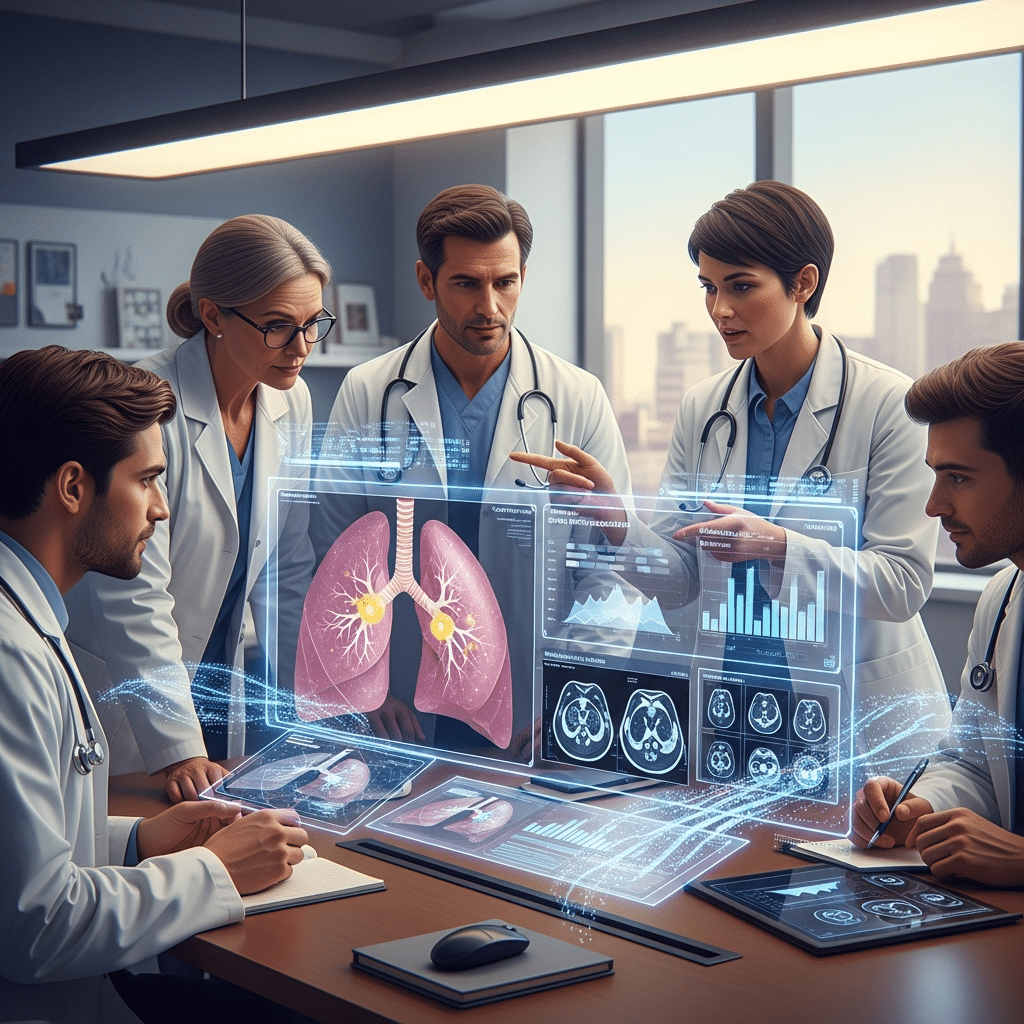
The Bristol Myers Squibb-Microsoft partnership exemplifies a broader trend of pharmaceutical companies seeking technology partners to accelerate innovation in areas beyond traditional drug discovery. By combining Microsoft’s Azure AI platform and cloud computing infrastructure with Bristol Myers Squibb’s deep oncology expertise and access to clinical data, the collaboration aims to develop predictive models capable of identifying high-risk individuals before symptoms manifest.
This approach reflects a strategic recognition that the future of oncology extends beyond developing more effective therapies to identifying patients who need treatment earlier in the disease process. Pharmaceutical companies have historically operated within a relatively narrow value chain—discovering compounds, conducting clinical trials, manufacturing drugs, and navigating regulatory approval. AI-driven early detection represents an expansion into the diagnostic and screening space, areas that directly impact when and how their therapeutic products are ultimately used.
The pharmaceutical industry’s move into AI-powered diagnostics isn’t just about better screening—it’s about reshaping the entire patient journey from risk identification through treatment, creating new touchpoints where pharma expertise and products become relevant earlier in care pathways.
The choice of lung cancer as the initial focus is strategically sound. Lung cancer screening rates remain low despite clear evidence that early detection through low-dose CT scans improves survival. Current screening guidelines rely on age and smoking history criteria that miss significant numbers of at-risk individuals while subjecting others to unnecessary radiation exposure. AI models trained on medical imaging data and electronic health records could potentially refine risk stratification, identifying candidates for screening with greater precision than current criteria allow.
Technical Capabilities and Clinical Validation Challenges
The collaboration plans to leverage de-identified patient data to train algorithms that can recognize imaging patterns and biomarkers associated with early-stage lung cancer. This approach builds on growing evidence that machine learning models can detect subtle abnormalities in medical images that human radiologists might miss or dismiss as insignificant. Microsoft’s cloud computing infrastructure provides the computational power necessary to process vast datasets and iteratively refine predictive models.
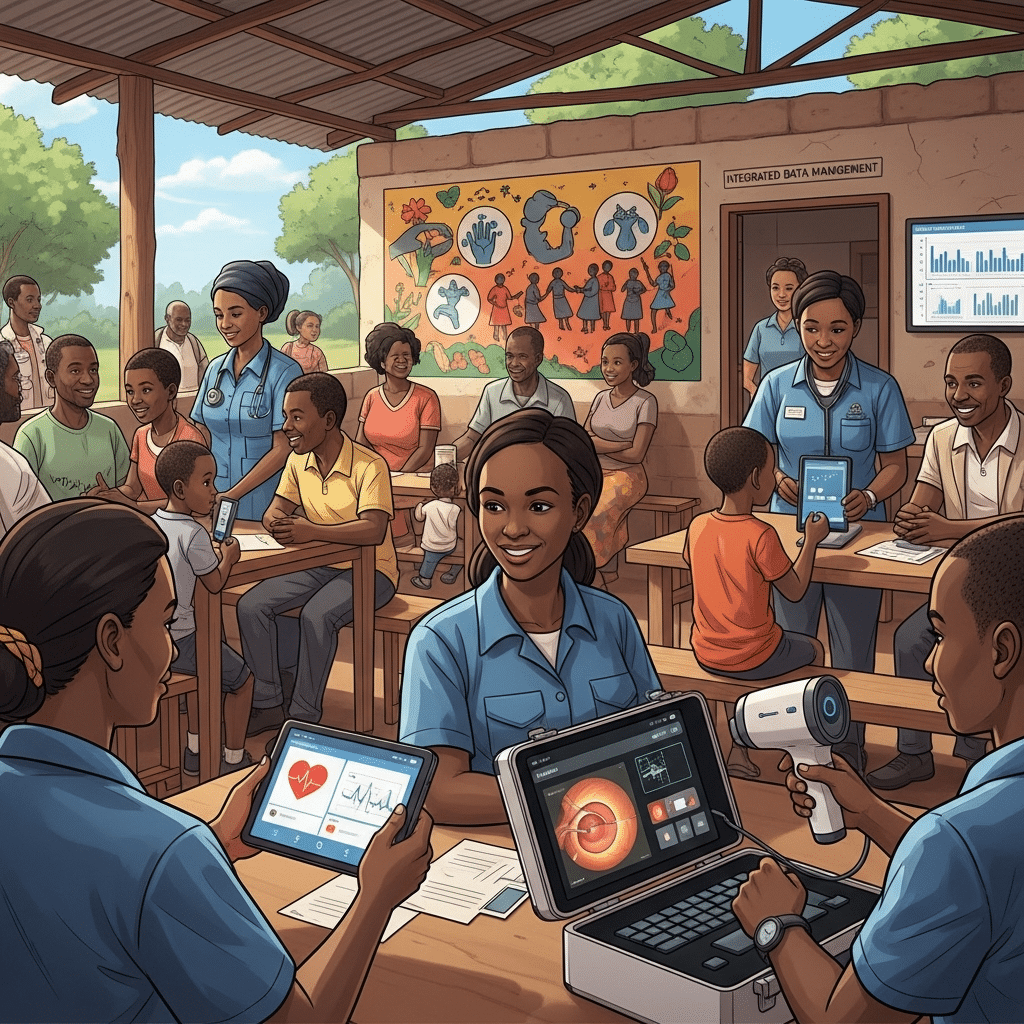
However, developing algorithms in controlled research environments differs substantially from deploying them in real-world clinical settings. The planned clinical validation studies will be critical in determining whether these AI tools can perform accurately across diverse patient populations, imaging equipment from different manufacturers, and healthcare settings with varying levels of resources and expertise. Historical attempts to deploy AI diagnostic tools have sometimes stumbled when algorithms trained on data from academic medical centers performed poorly when applied to community hospital populations.
The partnership must also navigate complex questions about what constitutes a positive finding worthy of further investigation versus a false positive that leads to unnecessary anxiety and invasive follow-up procedures. In cancer screening, the balance between sensitivity (catching true cases) and specificity (avoiding false alarms) has profound implications for patient experience, healthcare costs, and ultimately the adoption of AI tools by clinicians and health systems.
Implications for the Healthcare Workforce
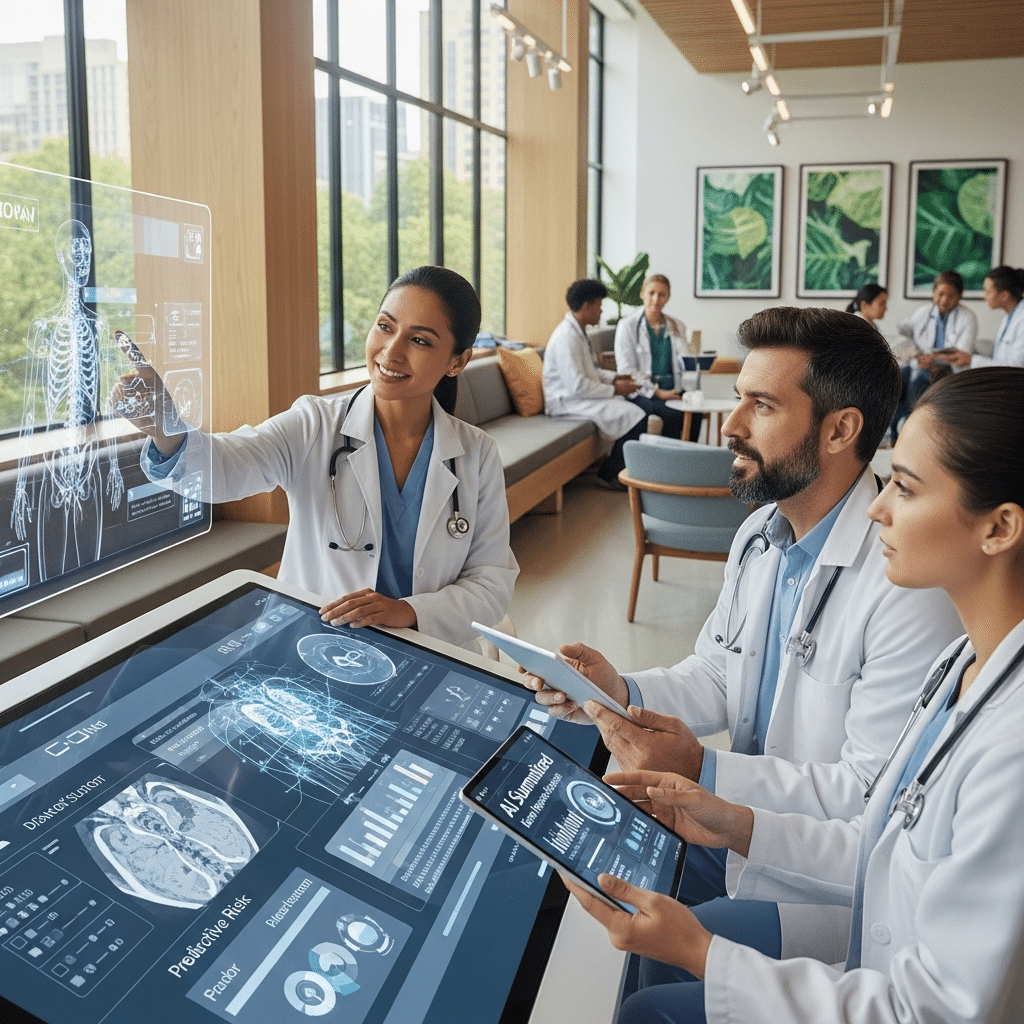
The integration of AI-driven detection tools into oncology workflows will inevitably reshape roles and responsibilities across the healthcare workforce. Radiologists may find their work augmented by AI systems that flag suspicious findings for priority review, potentially allowing them to focus cognitive effort on complex cases requiring nuanced judgment. Primary care physicians could receive AI-generated risk scores that inform screening recommendations, adding a new dimension to preventive care conversations.
As AI tools become embedded in clinical workflows, healthcare organizations will need professionals who can bridge technical and clinical domains—interpreting algorithm outputs, understanding their limitations, and integrating AI-generated insights into patient care decisions. This emerging need is reshaping healthcare talent requirements.
These workforce implications extend beyond clinical roles. The development, validation, and deployment of AI diagnostic tools require teams that combine data science expertise, clinical knowledge, regulatory understanding, and implementation science capabilities. Healthcare organizations adopting these technologies will need staff who can manage AI systems, monitor their performance over time, and ensure they’re being used appropriately within clinical protocols. For platforms like PhysEmp, which connects healthcare organizations with talent, understanding these evolving role requirements will be essential as AI capabilities become increasingly central to care delivery.
The collaboration also raises questions about how healthcare professionals will be trained to work effectively alongside AI tools. Medical education has traditionally focused on developing clinical reasoning skills and diagnostic acumen. As AI systems take on some pattern recognition tasks, educational priorities may shift toward teaching physicians how to critically evaluate algorithm outputs, communicate AI-generated risk assessments to patients, and make decisions when human judgment and machine recommendations diverge.
The Broader Trajectory of Pharma-Tech Partnerships
The Bristol Myers Squibb-Microsoft collaboration is part of a larger pattern of pharmaceutical companies partnering with technology firms to access AI capabilities. These partnerships reflect a pragmatic acknowledgment that the skills and infrastructure required to develop sophisticated AI applications differ substantially from traditional pharmaceutical R&D competencies. Rather than attempting to build these capabilities internally, established pharmaceutical companies are increasingly opting to partner with technology companies that have already made massive investments in cloud infrastructure, machine learning platforms, and AI talent.
This trend has implications for how innovation occurs in healthcare. The locus of breakthrough developments may increasingly reside at the intersection of different industries rather than within any single sector. Success will depend on effective collaboration across organizational cultures, regulatory frameworks, and business models that have historically operated independently. Pharmaceutical companies bring clinical expertise, regulatory experience, and established relationships with healthcare providers. Technology companies contribute computational power, algorithmic sophistication, and experience deploying AI systems at scale.
The economic implications are equally significant. AI-driven early detection could shift healthcare spending from expensive late-stage treatments toward screening and early intervention. For pharmaceutical companies, this creates both opportunities and challenges. Earlier detection may expand the treatable patient population for their oncology drugs, but it also changes the competitive dynamics if diagnostic accuracy becomes as important as therapeutic efficacy in determining market success.
Implications for Healthcare Recruiting and Workforce Development
As collaborations like the Bristol Myers Squibb-Microsoft partnership move from announcement to implementation, healthcare organizations will face mounting pressure to adapt their workforce strategies. The successful integration of AI diagnostic tools requires more than just purchasing software—it demands teams capable of implementing, monitoring, and continuously improving these systems within complex clinical environments.
Healthcare recruiting will need to evolve beyond traditional role definitions. Organizations will seek professionals with hybrid skill sets: data scientists who understand clinical workflows, physicians with informatics training, implementation specialists who can navigate both technical and organizational change management. The competition for this talent will be intense, as pharmaceutical companies, technology firms, and healthcare delivery organizations all seek similar expertise.
For healthcare leaders, the challenge extends beyond recruitment to workforce development. Existing staff will need opportunities to develop new competencies as AI tools become embedded in their daily work. Radiologists may require training in how to most effectively collaborate with AI systems. Primary care teams might need education on interpreting and communicating AI-generated risk assessments. Administrative staff could need new skills in managing data flows and ensuring algorithmic outputs are properly integrated into electronic health records.
The Bristol Myers Squibb-Microsoft collaboration ultimately represents more than a single partnership or even a novel approach to lung cancer detection. It exemplifies a fundamental restructuring of how innovation occurs in healthcare, with profound implications for how organizations compete, how care is delivered, and what capabilities healthcare professionals will need to succeed in an AI-augmented environment.
Sources
Bristol Myers Squibb Partners With Microsoft for AI-driven Lung Cancer Detection – Reuters
Bristol Myers Squibb Partners With Microsoft On AI Lung Cancer Detection – Nasdaq
Bristol Myers Squibb Announces Collaboration with Microsoft to Advance AI-Driven Early Detection of Lung Cancer – Yahoo Finance
Bristol Myers Squibb Announces Collaboration with Microsoft to Advance AI-Driven Early Detection of Lung Cancer – Bristol Myers Squibb