
Why This Matters Now
OpenAI’s launch of ChatGPT Health marks a pivotal moment in the convergence of artificial intelligence and healthcare delivery. With 230 million users already asking health-related questions weekly, the platform has quietly become one of the world’s most-accessed health information resources—without formal medical credentials or regulatory oversight. By enabling users to connect electronic health records and fitness app data directly to the chatbot, OpenAI is positioning itself not merely as an information tool but as a personalized health advisor operating alongside the traditional healthcare system.
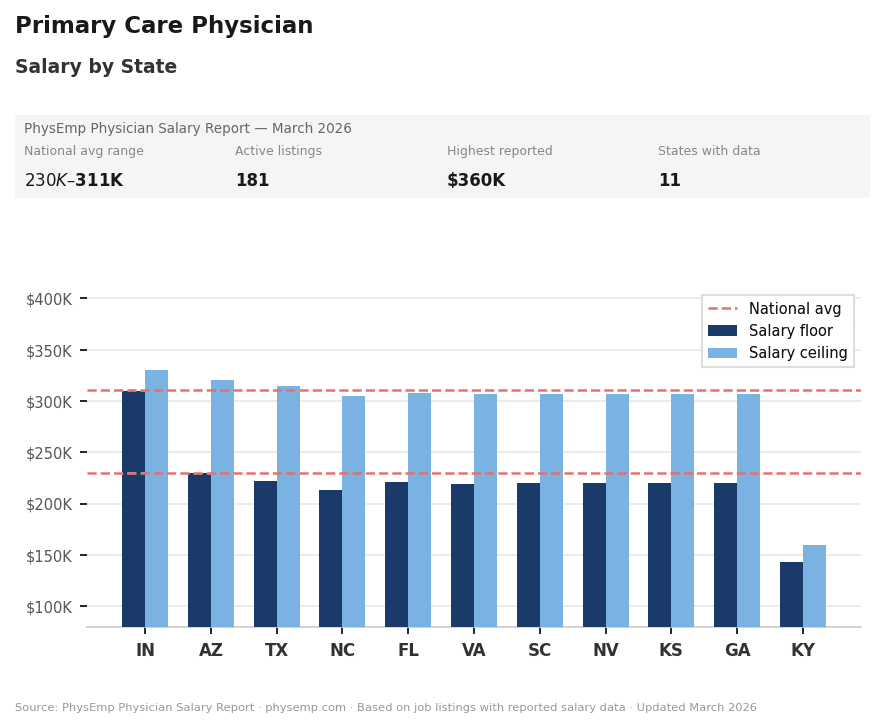
This development arrives as healthcare systems worldwide face mounting strain, particularly in Primary Care Physician Jobs where staffing shortages, long wait times, and fragmented patient experiences have created access gaps that AI tools increasingly attempt to fill. The broader implications extend beyond access: whether AI complements or competes with clinicians will shape long-term physician workforce planning, recruitment priorities, and the evolving responsibilities of medical professionals.
The Scale of Informal Health Consultation
The numbers behind ChatGPT Health reveal a healthcare behavior shift that has occurred largely beneath the radar of traditional medical institutions. With 230 million weekly health queries, ChatGPT has effectively become a de facto triage system, fielding questions that might previously have gone to primary care physicians, nurses hotlines, or simply remained unasked. This volume dwarfs the patient interactions of even the largest health systems.
What makes this phenomenon particularly significant is its informality. Users aren’t scheduling appointments, waiting in queues, or navigating insurance authorization. They’re simply asking questions conversationally, at any hour, without gatekeepers. This frictionless access represents both the promise and the peril of AI in healthcare. On one hand, it democratizes health information and may help individuals better understand their conditions or recognize when professional care is needed. On the other, it creates a parallel healthcare information system operating outside the quality controls, liability frameworks, and evidence-based protocols that govern traditional medicine.
With 230 million users asking health questions weekly, ChatGPT has become a de facto triage system operating outside traditional medical oversight—a parallel healthcare information infrastructure that may be reshaping patient behavior before the healthcare industry has fully recognized its impact.
The integration of personal health data amplifies both dimensions. When ChatGPT can reference a user’s actual lab results, medication list, or fitness tracker data, its responses become more contextually relevant—but also more consequential. A generic response about managing hypertension differs fundamentally from advice that incorporates someone’s specific blood pressure trends and current medications. The latter feels more like medical advice, even if OpenAI explicitly disclaims that role.
The Data Privacy Paradox
ChatGPT Health’s value proposition depends entirely on users sharing their most sensitive information with a commercial AI platform. This creates a fundamental tension: the more data users share, the more personalized and potentially useful the insights become—but also the greater the privacy risks and the more dependent users become on a single corporate intermediary for health information.
Electronic health records contain comprehensive medical histories, including diagnoses, treatments, genetic information, mental health records, and substance use history. Fitness apps track location, activity patterns, sleep, and biometric data. Together, this information creates an extraordinarily detailed profile of an individual’s health status and behaviors. While OpenAI has stated that ChatGPT Health incorporates security measures and that data won’t be used to train AI models without consent, the concentration of such sensitive information in a commercial platform raises questions that extend beyond any single company’s policies.
Consider the broader ecosystem: health data shared with ChatGPT exists outside HIPAA protections that govern healthcare providers and insurers. While OpenAI can voluntarily adopt privacy standards, users have limited recourse if policies change or if the company faces financial pressures, acquisition, or other circumstances that might alter its approach to user data. The history of technology platforms suggests that initial privacy commitments can erode over time as business models evolve.
Moreover, the aggregation of health data from millions of users creates a resource of immense commercial value—for pharmaceutical research, insurance risk modeling, public health surveillance, and countless other applications. Even if individual data remains confidential, the insights derived from population-level patterns represent a strategic asset that could reshape healthcare markets in ways that aren’t yet visible.
Implications for Healthcare Delivery and Workforce
For healthcare providers and systems, ChatGPT Health represents both opportunity and disruption. On the positive side, AI tools that help patients better understand their conditions and prepare more informed questions could make clinical encounters more productive. If patients arrive having already researched their symptoms and reviewed their health trends, physicians might spend less time on basic education and more on clinical decision-making.
However, the flip side is equally plausible: patients may arrive with AI-generated interpretations that conflict with clinical judgment, creating new friction in the patient-provider relationship. Clinicians may find themselves spending time correcting misinformation or explaining why an AI’s suggestion isn’t appropriate for their specific situation. The phenomenon of patients bringing internet research to appointments—sometimes helpful, sometimes problematic—could intensify significantly when that research is personalized and appears authoritative.
Healthcare organizations face a strategic choice: integrate AI tools like ChatGPT Health into their patient engagement strategies, or risk patients developing parallel relationships with AI advisors that operate independently of—and potentially at cross-purposes with—their clinical care teams.
For healthcare recruiting and workforce planning, these developments signal important shifts. As platforms work to connect healthcare organizations with clinical talent, understanding how AI tools reshape patient expectations and clinical workflows becomes crucial. Healthcare systems will increasingly need clinicians who are comfortable working alongside AI tools, who can effectively communicate when AI insights are helpful versus misleading, and who can maintain therapeutic relationships in an environment where patients have constant access to alternative information sources.
The demand for informaticists, data scientists, and AI specialists within healthcare organizations is likely to accelerate as institutions develop strategies to either partner with platforms like ChatGPT Health or develop competing capabilities. Rather than replacing clinicians, AI may be creating adjacent roles that didn’t previously exist—professionals who can bridge clinical medicine, data science, and patient engagement.
The Regulatory and Trust Gap
Perhaps the most significant implication of ChatGPT Health is what it reveals about the regulatory gap in AI healthcare applications. Traditional medical devices, diagnostic tools, and clinical decision support systems face rigorous FDA review and ongoing safety monitoring. Yet ChatGPT Health can launch as a consumer product, providing personalized health insights based on medical records, without comparable regulatory scrutiny—because it positions itself as an information tool rather than a medical device.
This regulatory ambiguity creates a trust gap. Patients may not fully understand the limitations of AI-generated health advice, the difference between information and medical guidance, or the extent to which their data might be used for purposes beyond their immediate health questions. Healthcare providers, meanwhile, have limited visibility into what their patients are being told by AI systems, making it difficult to provide coordinated care.
The path forward likely requires new frameworks that acknowledge AI’s role in healthcare without stifling innovation. This might include transparency requirements about AI training data and limitations, standards for how health data can be used, and mechanisms for healthcare providers to understand what information their patients are receiving from AI tools. Some healthcare systems may choose to offer their own AI-powered patient engagement tools, keeping health data within existing clinical relationships rather than ceding that function to external platforms.
Conclusion: Navigating the New Healthcare Information Landscape
ChatGPT Health is not an isolated development but rather a visible manifestation of a broader transformation: AI is becoming infrastructure for healthcare information, whether the healthcare industry is ready or not. The 230 million weekly health queries represent patient needs that aren’t being fully met by traditional healthcare delivery—needs for immediate information, for help understanding complex medical concepts, for someone (or something) to talk through health concerns without judgment or time pressure.
For healthcare organizations, the strategic imperative is to engage with this reality rather than resist it. This means developing clear policies on AI tools, educating clinicians about how patients are using them, and potentially integrating similar capabilities into patient portals and care management programs. It means recruiting and retaining professionals who understand both clinical care and AI capabilities—a talent pool that platforms are increasingly focused on connecting with healthcare employers.
For patients, the arrival of tools like ChatGPT Health offers genuine benefits—better access to health information, help navigating complex medical systems, and support for self-management of chronic conditions. But it also requires new forms of health literacy: understanding the limitations of AI advice, recognizing when professional medical care is necessary, and making informed decisions about sharing sensitive health data.
The front door to healthcare is changing. Rather than starting with a phone call to a doctor’s office, many patients now begin with a question to an AI. The challenge for the healthcare industry is ensuring that this new front door leads to better health outcomes rather than fragmented care, privacy risks, or widening gaps between those who can effectively navigate AI tools and those who cannot. The conversation about AI in healthcare has moved from theoretical to immediate, and the decisions made in response will shape healthcare delivery for years to come.
Sources
OpenAI launches ChatGPT Health in a push to become a hub for personal health data – Fortune
Introducing ChatGPT Health – OpenAI
OpenAI launches ChatGPT Health, encouraging users to connect their medical records – The Verge
OpenAI unveils ChatGPT Health, says 230 million users ask about health each week – TechCrunch
OpenAI launches ChatGPT Health to connect data from health apps, medical records – Fierce Healthcare