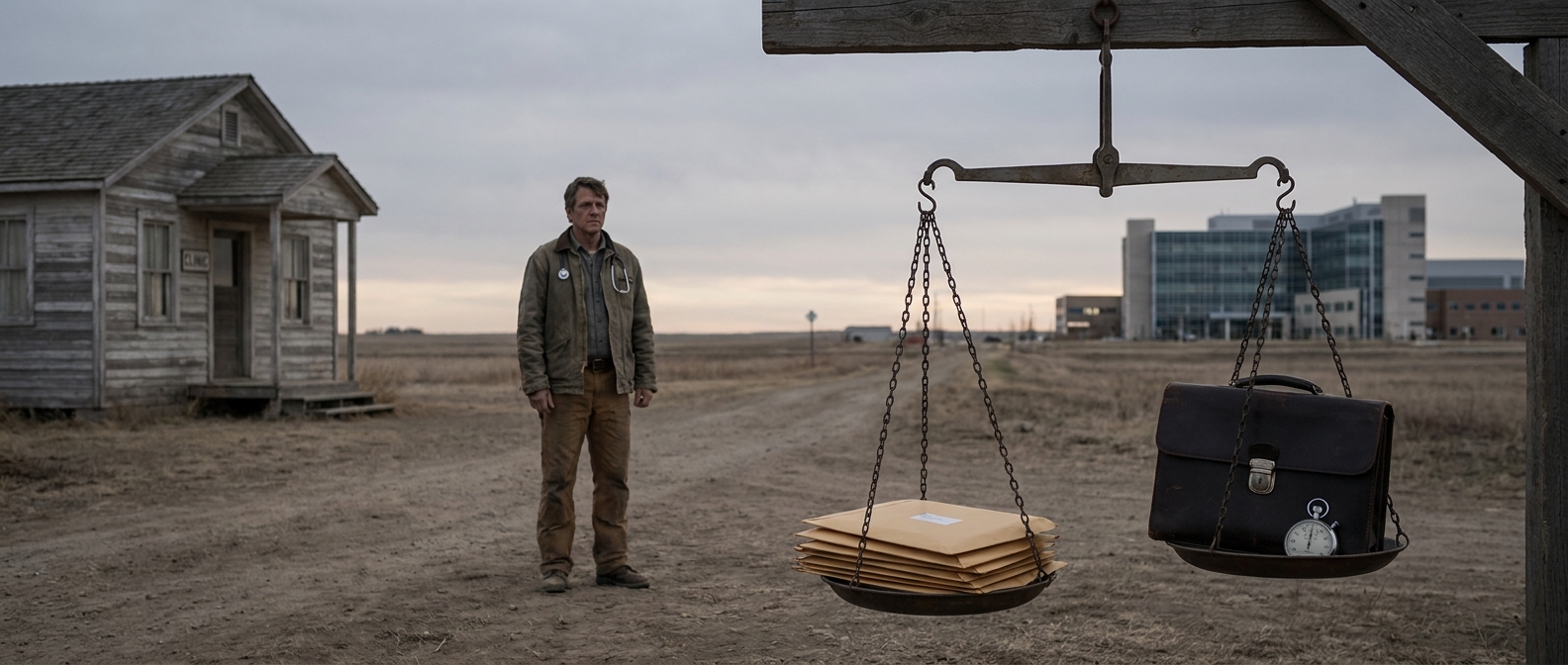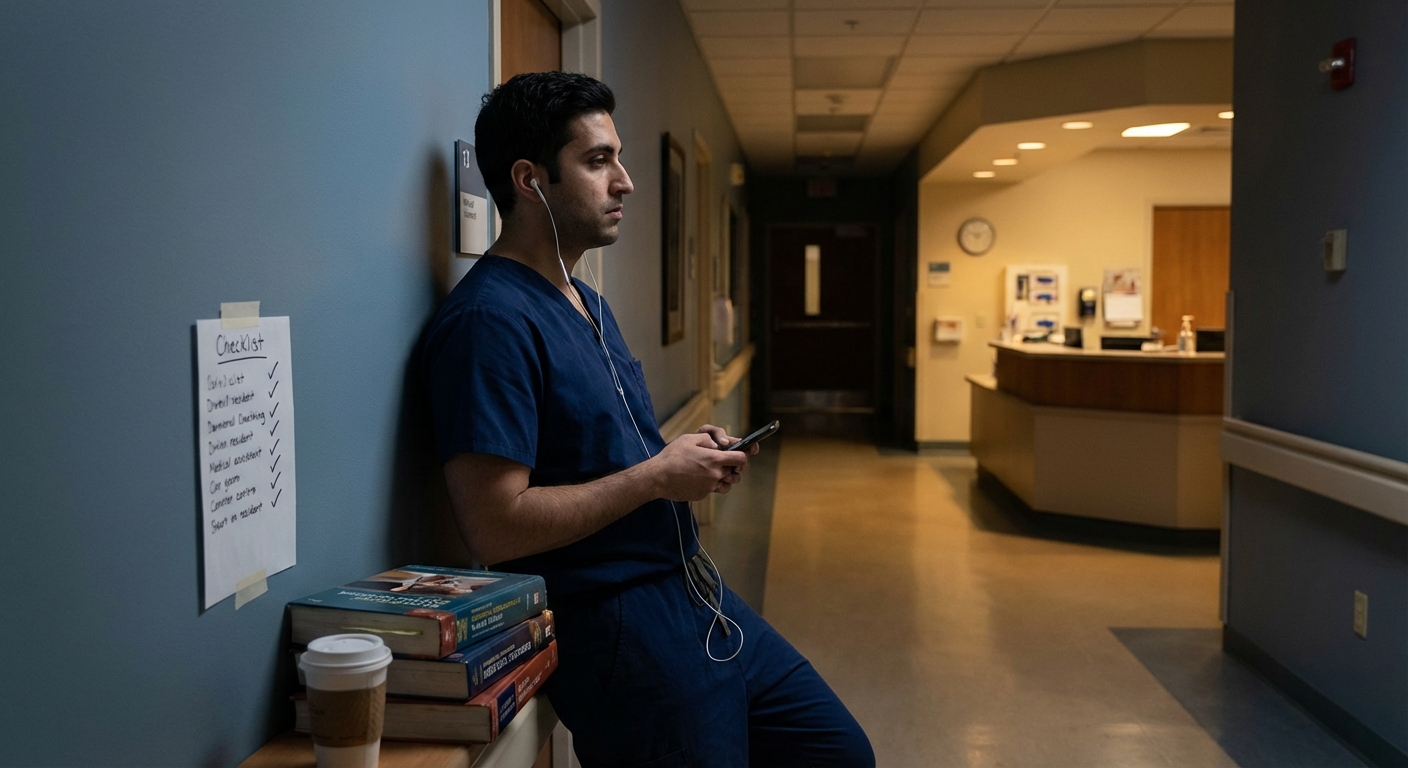

You knew residency would be hard. Long hours, sleep deprivation, high-stakes decisions—none of that surprises you. What catches most residents off guard isn’t the workload itself. It’s the slow erosion of something harder to name: your enthusiasm, your empathy, your sense of self.
What Burnout Actually Looks Like (It’s Not Just Being Tired)
The clinical definition of burnout includes three core components: emotional exhaustion, depersonalization, and reduced sense of personal accomplishment. But in real life, it rarely announces itself so neatly.
Emotional exhaustion feels like running on empty—not just physically, but mentally. You dread the start of a shift not because it’s busy, but because you can’t summon the energy to care the way you used to.
Depersonalization is the creeping detachment. You catch yourself referring to patients by their diagnosis instead of their name. You feel less moved by suffering. That’s not a character flaw—it’s a defense mechanism kicking in when the emotional load becomes too heavy.
Identity erosion is the part no one prepares you for. You start questioning whether this career is worth the sacrifice. You lose sight of why you chose medicine. Some residents describe feeling like they’ve become a version of themselves they don’t recognize.
These symptoms compound. A toxic workplace culture accelerates them. So does isolation—especially if you’ve moved to a new city without a support network. Relationship strain adds another layer. And when moral distress enters the picture (being asked to act against your values due to systemic constraints), the damage deepens.
Why Residency Makes Burnout Worse
Residency is uniquely designed to maximize burnout risk. You’re learning under pressure, with limited autonomy, often in environments where asking for help feels like admitting weakness. The hours are brutal. The feedback can be harsh. And the culture, in many programs, still rewards suffering in silence.
Add to that the financial stress of trainee salaries, the delayed gratification of a career that won’t fully pay off for years, and the constant comparison to peers who seem to be handling it better—and you’ve got a recipe for psychological strain.
The preliminary year is often the hardest. You’re doing grunt work in a field that isn’t your end goal, surrounded by people who may not invest in your development. PGY-2 brings its own challenges: more responsibility, less hand-holding, and the creeping realization that this is your life now. By the time you’re a senior resident, you may be too numb to notice how far you’ve drifted.
What Actually Helps
Let’s skip the advice to “practice self-care” and get specific.
1. Name it. Burnout thrives in silence. Acknowledging that you’re struggling—even just to yourself—is the first step. Journaling, talking to a trusted co-resident, or simply saying “I’m burned out” out loud can break the cycle of denial.
2. Protect non-negotiables. Identify one or two things that keep you grounded—exercise, a weekly call with a friend, a hobby—and defend them fiercely. These aren’t luxuries. They’re maintenance.
3. Seek peer support. Talking to someone who gets it matters more than talking to someone with credentials. Peer support communities, like Doc Commons, exist specifically for this reason. Sometimes validation is more valuable than advice.
4. Know when to escalate. If you’re having intrusive thoughts, withdrawing from everyone, or fantasizing about quitting medicine entirely, it’s time to talk to a professional. Many residency programs offer confidential mental health resources. Use them. If your program’s resources feel inadequate or unsafe, seek outside help—there are therapists who specialize in physician mental health.
5. Reframe the timeline. Residency is temporary. That doesn’t make it easy, but it helps to remember that this phase has an end date. The autonomy, compensation, and lifestyle flexibility that come with attending life are real—and closer than they feel right now.
The Bigger Picture: Burnout and Your Career
Burnout doesn’t just affect how you feel—it affects the decisions you make. Residents who are burned out are more likely to choose jobs based on escape rather than fit. They may accept the first offer that comes along, overlook red flags in contracts, or prioritize salary over sustainability.
Understanding your burnout now can help you make better choices later. It’s worth asking: What kind of practice environment will protect my wellbeing? What schedule is sustainable for me long-term? What workplace culture will I thrive in—or at least survive?
These questions matter more than most residents realize. Your first job out of residency sets the tone for your early career. If you’re already running on fumes, choosing a high-volume, high-pressure position because it pays well might accelerate your path to leaving medicine altogether.
Key Takeaways
- Burnout is more than exhaustion—it includes emotional depletion, detachment, and identity erosion.
- Residency’s structure makes burnout almost inevitable without intentional countermeasures.
- Practical strategies include protecting non-negotiables, seeking peer support, and knowing when to get professional help.
- Burnout affects career decisions—address it now to avoid reactive choices later.
- You’re not weak for struggling. You’re human, in an inhumane system.
Residency will end. The question is what shape you’ll be in when it does—and whether you’ll still want to practice medicine. Taking burnout seriously isn’t optional. It’s how you protect your future.