
Healthcare employment markets are shaped by specialty demand, regional workforce imbalances, compensation dynamics, training pipeline constraints, and evolving care delivery models. Physicians and advanced practice clinicians entering the job market must evaluate more than open positions — they must assess long-term stability, workload expectations, practice structure, and compensation sustainability.
PhysEmp connects physicians, nurse practitioners, physician assistants, and allied health professionals with specialty-specific opportunities across the country. This hub organizes high-demand specialties while providing context on workforce trends and hiring mechanics.
This pillar examines the macro dynamics shaping clinician demand: demographic shifts, specialty-specific shortages, geographic maldistribution, immigration pathways, scope-of-practice changes, burnout-driven attrition, telehealth expansion, and the economics of staffing growth. These forces explain not only why demand exists, but where it concentrates, how long it may persist, and how it affects compensation, recruitment urgency, and long-term workforce planning.
If you are evaluating compensation structure, see
If you want insight into recruiting timelines and onboarding processes, visit
For macro labor context shaping demand, explore

Physician demand is specialty-specific. Demographic aging, chronic disease prevalence, surgical capacity expansion, behavioral health access gaps, and inpatient census volatility all influence hiring intensity across fields.
National headcount growth does not eliminate localized shortages. Some specialties experience persistent structural demand due to training bottlenecks or geographic maldistribution.
Below are core high-demand specialties with active job listings.

Cardiology demand is driven by cardiovascular disease prevalence, population aging, and expanding interventional capacity. Subspecialty variation significantly affects compensation and workload.
Cardiology opportunities may include:
Compensation frequently reflects procedural volume and RVU intensity.
Explore current openings:

Family medicine remains foundational to healthcare delivery. Primary care access shortages continue to support stable recruitment demand in both urban and rural settings.
Family medicine roles may involve:
Compensation structures often combine base salary with quality incentives.
Browse listings:
Internal medicine opportunities vary between outpatient clinics, hospital systems, and academic institutions. Demand is closely tied to chronic disease management and aging populations.
Roles may include:
View current positions:
Hospital medicine is central to inpatient coordination and census management. Staffing redesign, shift-based scheduling, and productivity expectations influence compensation.
Hospitalist roles often include:
Explore opportunities:
Emergency medicine demand reflects population density, trauma capacity, and regional healthcare infrastructure.
Key features may include:
Browse current openings:
Behavioral health shortages continue nationwide. Telepsychiatry expansion and rising mental health demand support ongoing recruitment.
Psychiatry opportunities may involve:
View current positions:
Radiology demand is shaped by imaging volume growth and workflow complexity. Teleradiology and subspecialty imaging influence hiring models.
Roles may include:
View current positions:
General surgery hiring reflects hospital expansion, procedural demand, and regional referral patterns.
Opportunities may involve:
Browse listings:
OB/GYN demand correlates with regional birth rates, women’s health access, and hospital service line expansion.
Positions may include:
View openings:
Pediatrics demand varies by geographic birth rate and community infrastructure.
Roles may include:
Explore listings:
Anesthesiology roles are closely linked to surgical case volume and hospital capacity.
Opportunities may include:
Anesthesiology Physician Jobs
Locum tenens positions offer short-term, contract-based flexibility. These roles may be used to:
Explore locum opportunities:
Advanced practice clinicians and travel nurses support system stabilization during workforce fluctuations.
Explore travel nursing opportunities:
For nurse practitioner roles:
When reviewing job opportunities, consider:
Compensation analysis is detailed in
Recruitment process insights are available in
Residents typically begin exploring opportunities 12–24 months before graduation. Early engagement provides negotiation leverage and broader geographic choice.
Early-career physicians should evaluate:
Understanding demand trends strengthens long-term decision-making.
Anesthesiology roles are closely linked to surgical case volume and hospital capacity.
Opportunities may include:
Anesthesiology Physician Jobs

While physician shortages receive the most attention, nursing and allied health staffing often determine actual system capacity. A fully staffed physician roster does not translate into access if nursing, imaging, or therapy roles are unfilled.
Persistent challenges in these roles include:
These constraints directly affect:
Allied health professionals play a critical role in care delivery and workforce capacity. These articles examine supply trends, role utilization, and staffing models involving allied health roles.
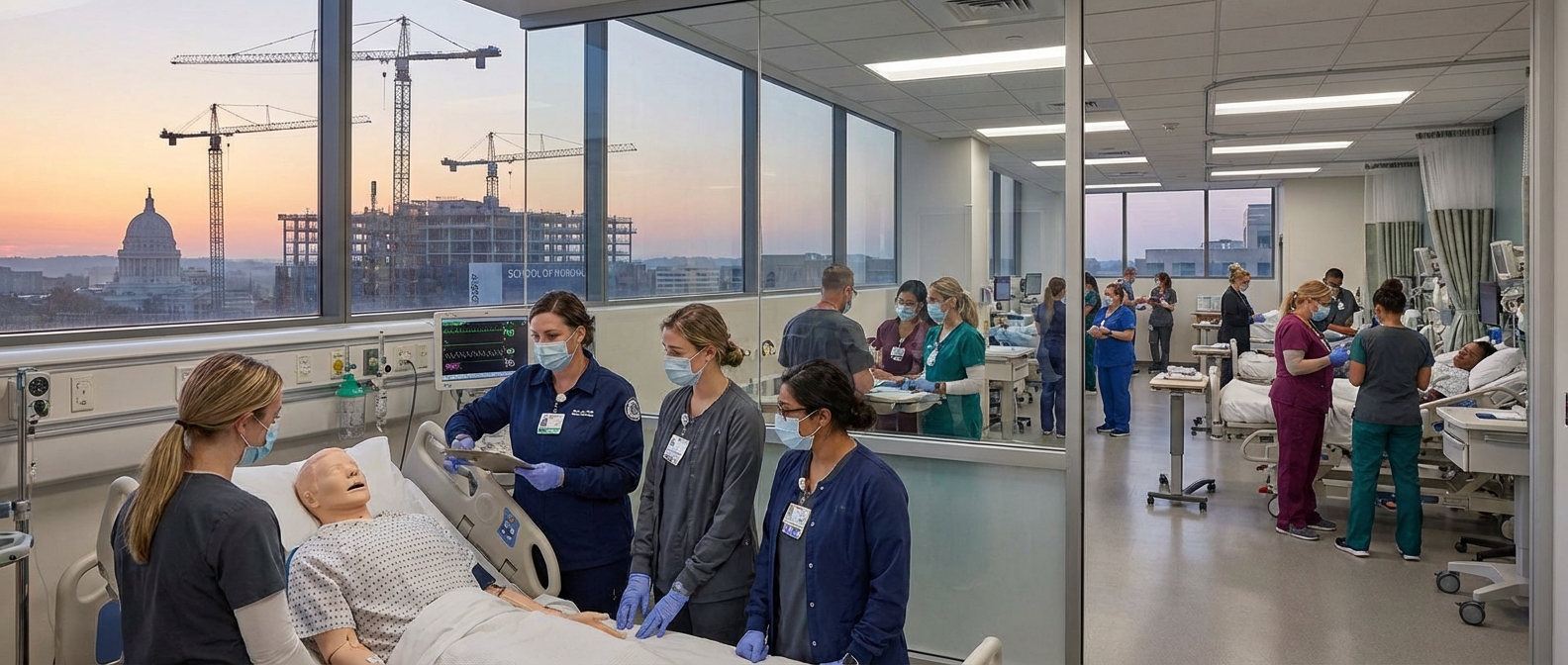



Labor represents the largest operating expense for most health systems. As wages rise and flexibility declines, organizations face difficult tradeoffs between maintaining access and controlling cost.
Labor market pressure influences:
Systems operating with thin or negative margins are often forced into reactive decisions that further destabilize the workforce.
The healthcare jobs market reflects competition for talent, compensation dynamics, and shifting employment preferences. The articles below examine hiring trends and labor market signals affecting staffing decisions.




Workforce shortages are unevenly distributed. Rural and underserved communities face compounding challenges due to:
These dynamics create persistent access gaps that cannot be solved solely through recruiting. Structural approaches—such as telehealth, regional coverage models, and training incentives—are increasingly necessary.

Historically, workforce planning in healthcare has been reactive—responding to vacancies rather than anticipating demand. In a constrained labor market, this approach is no longer sufficient.
Effective workforce planning includes:
Organizations that plan proactively are better positioned to maintain access and reduce crisis-driven staffing decisions.
Workforce planning involves forecasting labor needs and aligning staffing with service demand. The articles below examine planning methods, capacity modeling, and long-term workforce strategy.

In many cases, workforce shortages cannot be solved by hiring alone. Leading organizations are redesigning care delivery to better align with available labor.
Common approaches include:
These changes require cultural buy-in, regulatory awareness, and careful implementation—but they can significantly improve resilience.
Join thousands of healthcare professionals who trust PhysEmp for their career moves.
By submitting your information you agree to PhysEmp’s Privacy Policy and Terms of Use…